
Supreme Court ruling didn’t stop abortion. Kansas sees the needs firsthand | Opinion
The Supreme Court’s 2022 decision in Dobbs v. Jackson Women’s Health Organization overturned nearly 50 years of precedent, eliminating the federal right to abortion. For millions of Americans, this is not a political issue — it is a personal crisis. People’s health, autonomy and futures are at stake, and the consequences hit low-income individuals, people of color, rural residents and other marginalized communities the hardest.
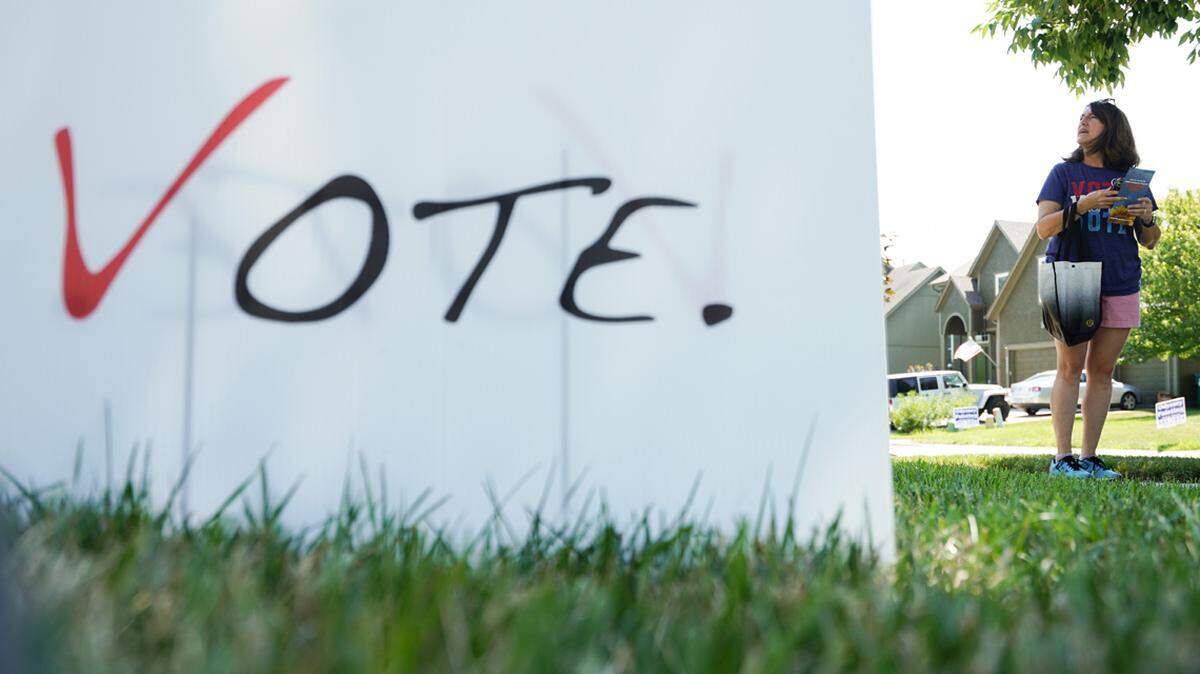
Here in Kansas, the fight for reproductive freedom has been front and center. Despite being a conservative-leaning state, Kansans made history in 2022 by overwhelmingly rejecting the deceptive Value Them Both amendment, a proposal that would have stripped constitutional protections for abortion from the Kansas Bill of Rights and allow lawmakers to ban abortion entirely. Voters across the political spectrum stood up for bodily autonomy, privacy and the right to make personal medical decisions without government interference.
Their message was clear: Kansans believe reproductive rights are fundamental, not negotiable.
Still, the struggle is far from over. Antiabortion groups and some legislators continue to push for restrictions through backdoor policies — targeting clinics, trying to limit medication abortion and creating unnecessary barriers under the guise of safety. These efforts ignore the will of the people and threaten to undo the very protections Kansans fought to preserve. Our state has become a crucial access point for people from across the region seeking care, a reminder of how vital it is to defend these rights at both the state and federal levels.
By leaving abortion laws up to individual states, Dobbs created a patchwork system where access now depends on your ZIP code. More than 20 states have enacted near-total bans, forcing people to travel hundreds of miles, navigate legal confusion and spend thousands of dollars just to obtain essential health care. For those facing medical emergencies or unintended pregnancies, delays can be life-threatening. At the same time, medical providers are caught in a legal and ethical maze, unsure how to safely care for their patients without risking prosecution.
The impact is devastating. Black and Indigenous women already face higher rates of maternal mortality and infant death, risks now worsened by restricted access to abortion and emergency care. Low-income and rural residents bear the greatest burden, creating a deeper divide in health care equity. Emotional trauma, financial strain and long-term socioeconomic consequences are becoming the new normal for millions of Americans simply trying to get safe reproductive care.
Public opinion is clear: Most Americans support legal access to abortion. Yet the law now allows a vocal minority to impose its beliefs on the entire country. Evidence shows that restricting abortion does not reduce abortion rates. Instead, it increases unsafe procedures, delays in care and health complications. The Dobbs ruling has caused widespread harm without achieving its stated goals.
Federal action is essential. Protecting reproductive rights is not just a matter of law — it is a matter of public health and social justice. Policies must ensure safe, equitable access to abortion while also addressing the root causes of unintended pregnancies. Comprehensive sex education, broad access to contraception and financial support for low-income pregnant individuals are proven strategies that reduce abortion rates and empower people to make informed choices without harming their health or well-being.
The stakes could not be higher. Without federal protections, we will continue to see preventable maternal deaths, forced pregnancies and long-term socioeconomic hardship. Families will suffer. Communities will be strained. Health care providers will face moral distress and legal uncertainty. And the most vulnerable among us will pay the highest price.
The Dobbs decision was a setback, but it does not have to be permanent. Congress must act to restore the federal right to abortion and ensure that reproductive healthcare is safe, equitable and accessible for all. This is not just a policy fight. It is a matter of justice. Millions of people are counting on it.
Janae Krause of Overland Park is a graduate student at Fort Hays State University.