
Kansas, don’t stay in the past. Help people now with medical cannabis | Opinion
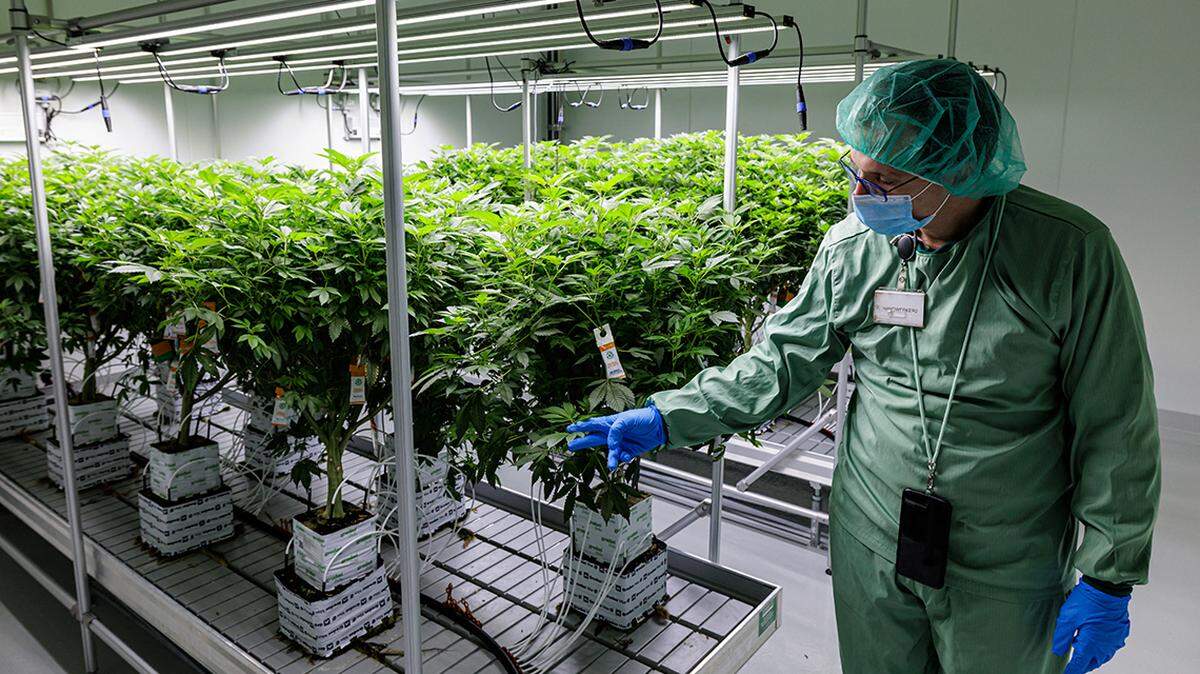
Why should a cancer patient in Kansas have fewer options for relief than someone just across the state line? That’s not a rhetorical question — it’s the reality for thousands of Kansans living with chronic pain, epilepsy, post-traumatic stress disorder and cancer. Kansas Senate Bill 294 offers a real solution: a regulated medical cannabis program that puts health, dignity and common sense first.
Kansas is one of the last states still holding onto prohibition, while 40 others have already legalized medical marijuana. According to the 2024 Kansas Speaks Survey, nearly 73% of Kansans support it — a rare case of bipartisan agreement these days. This isn’t about getting high. It’s about getting help. Right now, patients are forced to choose between suffering or breaking the law.
Research shows cannabis can ease chronic pain, reduce opioid dependence and improve quality of life without the overdose risks that come with opioids. In fact, states with medical cannabis programs have seen opioid prescriptions drop by up to 4.6% among surgical cancer patients, according to the journal Cancer. That’s not just a statistic — it’s real lives saved.
S.B. 294 would create a tightly regulated system overseen by the Kansas Department of Health and Environment, including licensing for growers, processors and dispensaries. Kansans with qualifying conditions could obtain a medical cannabis card with a doctor’s approval. The bill even includes antidiscrimination protections for housing and employment.
And there’s the economic side. Legalizing medical cannabis could bring in millions in tax revenue, create jobs and cut down on the roughly $130 million Kansas spends each year on drug-related crime. Meanwhile, other states are benefiting financially while we’re still paying the price for prohibition.
Of course, opponents raise fair questions: Will impaired driving rise? Will more young people use cannabis? What about public safety? These concerns deserve attention, but data from states with medical cannabis programs show those fears rarely become reality when strong regulations are in place. S.B. 294 includes strict licensing, testing and physician oversight to prevent misuse. And impaired driving? It’s already illegal — no one is suggesting a free pass for reckless behavior. Youth access? Regulated dispensaries with ID checks are far safer than the current black market.
Think about this: A veteran in rural Kansas living with PTSD has to make an impossible choice: Drive hours to another state for relief, or risk arrest at home. Stories like that aren’t rare. They’re the quiet reality behind our laws. Medical cannabis could give these people a safe, legal option close to home, reducing suffering and restoring dignity.
When policy forgets about people, it fails its purpose. S.B. 294 is about more than medicine — it’s about compassion in action. Legalizing medical cannabis isn’t just good policy. It’s the right thing to do. It means fewer opioid overdoses, fewer arrests (Kansas saw 4,645 marijuana possession arrests in 2023) and more Kansans living with dignity instead of pain. It means aligning law with science and compassion.
Yes, S.B. 294 isn’t perfect. It still needs equity measures such as record expungement and expanded qualifying conditions. But it’s a start. Kansas lawmakers now face a choice: Keep us in the past, or move us toward a future where health care reflects humanity.
So, legislators, let’s roll up our sleeves (not our joints) and pass Senate Bill 294. In Kansas, we pride ourselves on neighborly values — and nothing says “neighborly” like helping someone live without pain.
Jessica Navarro is pursuing a Master of Social Work degree at Fort Hays State University. She has extensive experience working with Kansas families impacted by mental health, substance use disorders and other related challenges.