
On Election Day, give Prairie Village residents a say on City Hall project | Opinion
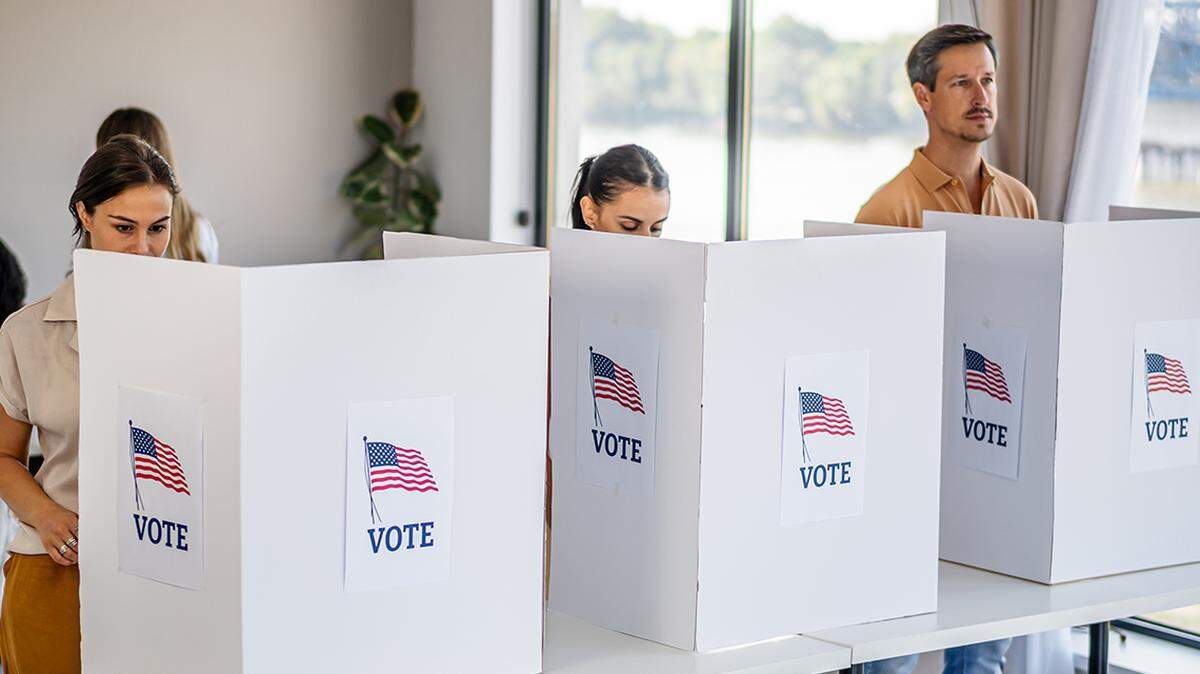
You sometimes hear complaints that all politicians are the same, so it really doesn’t matter who you vote for, or even if you vote at all.
That’s not true this year in vibrant Prairie Village.
We have 12 — yes, 12 — candidates running for City Council, two in each of our city’s six wards, and it’s refreshing to see them drawing bright lines in their positions on issues, so voters truly have a clear choice in this election.
The phrase “slate of candidates” is sometimes used as a pejorative, but in this case it may be helpful to voters as they decide whom they most agree with when it comes to the important local issues our city is facing.
First and foremost, one informal slate of candidates shares the perspective that there should be a public vote (similar to school bond votes) on the City Council’s $30 million plan to:
- Buy and tear down a $4.5 million church on Mission Road.
- Build a brand new city hall on the church site at a cost of tens of millions.
- Renovate and keep the existing City Hall building.
- Incur an additional $20 million in interest payments on bonds to finance the project.
- Pay to operate and maintain both government buildings for decades to come.
Daniel Garrett, Edward Boersma, Amy Aldrich, Kelly Sullivan Angles, John Beeder and Dan Prussing support a public vote on this project.
On the other hand, the six candidates backed by Mayor Eric Mikkelson have stated publicly that they oppose a public vote on the City Hall proposal and will push the project forward.
It’s important to remember here that Prairie Village is a small, suburban city of about 23,000 people, including children. Our population doesn’t change significantly because we are surrounded by other municipalities and have very little land for any new residential development.
We all agree we need to invest in some City Hall improvements, particularly to give our police more space. But a two-building, $30 million project, plus $20 million more to pay the bonds, is unnecessary and fiscally irresponsible in our 6.2-square-mile village.
These are points I’ve been making as a new City Council member, as have hundreds of city residents who’ve emailed and called council members, spoken at council meetings or displayed yard signs asking for a public vote.
The powers that be have not heeded the input and have, at times, seemed downright frustrated by the sustained pushback from constituents, which brings us to the topic of whether ongoing civic engagement should be viewed as positive or divisive.
Of course, we all have seen extremists across the political spectrum who are inappropriate and disrespectful. From my experience, though, the vast majority of Prairie Villagers can discuss and debate local issues without dividing the community. I’ve had such conversations at hundreds of doorsteps around town.
Residents care about their homes, neighbors and everyday quality of life. We are now having a spirited discussion about the direction of our city. Not everyone agrees. And that’s not just OK — it’s downright American.
Nov. 4 will give us a path forward in Prairie Village. This election isn’t about Donald Trump or national politics. It’s about our own hyperlocal, nonpartisan issues, and the candidates supporting a public vote on the City Hall project also share similar views on preserving our neighborhood zoning, reining in property tax increases and building consensus by respecting residents’ voices.
Our City Council candidates are giving us a clear choice. Let the people have their say.
Lori Sharp is a member of the Prairie Village City Council. She earned her doctorate in occupational therapy from the University of Kansas.