
Health care lessons in small Missouri towns could save American medicine | Opinion
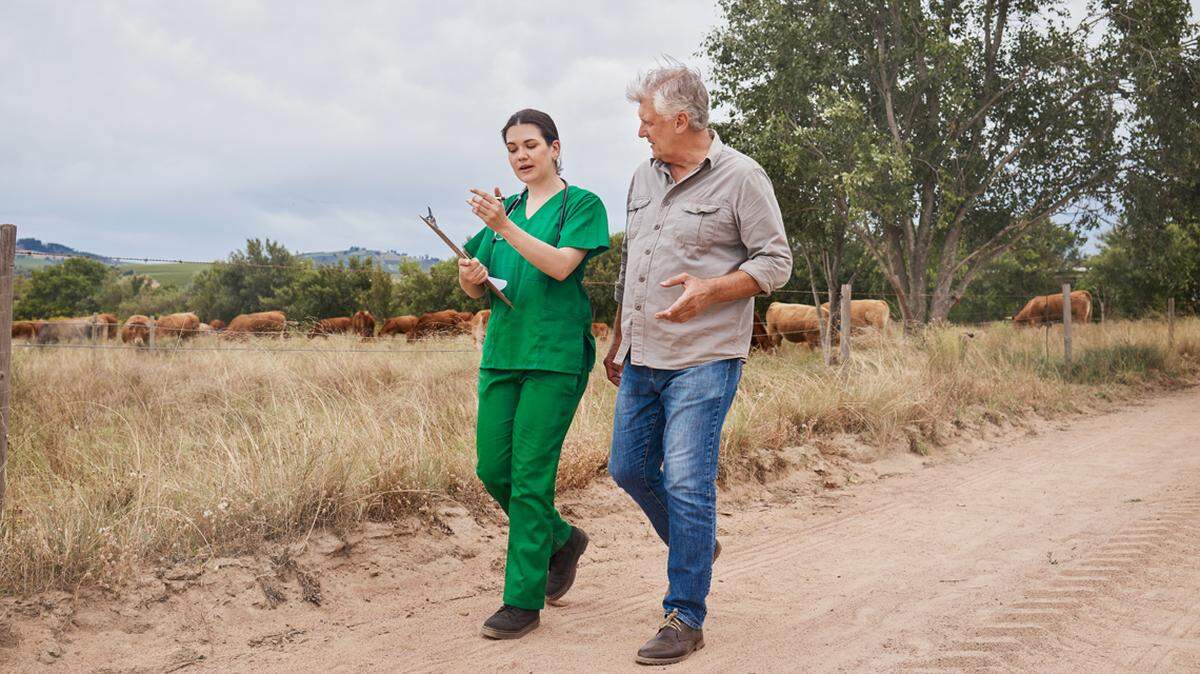
On paper, the drive from Kansas City to Osage Beach is only a couple of hours. In health care terms, it can feel like another world. Yet what holds together in Missouri towns such as Butler, Warsaw and Osage Beach may be what saves American medicine when the next wave of pressure hits larger cities.
In my clinic, access is not a policy debate. It is a daily equation families have to solve. A grandmother trades shifts at the factory so she can drive her grandson to a specialist 70 miles away. A pharmacist stretches every dollar through the federal 340B drug discount program so a diabetic patient can afford insulin and still buy groceries that week.
In rural Missouri, we don’t wait for innovation to arrive. We build it out of necessity. When the pandemic hit and hospitals in small towns started cutting inpatient services, our teams learned to cross-train, use telehealth before it was mainstream, and share staff across county lines. Scarcity doesn’t just reveal problems. It forces invention.
What works here, where resources are tight and distances are long, tends to work anywhere.
In a town such as Butler or Warsaw, medicine follows you home. Your patients see you at the grocery store, in the church pews and at the Friday night ballgame. Every interaction adds up. That kind of familiarity is not small town nostalgia. It is the invisible infrastructure that keeps people healthy.
When we talk about telehealth, digital screenings or artificial intelligence in health care, success will depend on trust. New technology will only last if patients and clinicians trust it together. Rural communities are where that trust gets tested first. Build it here and it will stand anywhere.
Rural medicine is where new tools have to prove they can survive in the real world. If a platform adds extra clicks, it fails. If a wearable needs perfect Wi-Fi, it fails. If a workflow assumes a specialist is down the hall, it fails.
Affordable Care Act, Medicaid expansion
Nearly 1 in 5 American households still lacks reliable broadband, and thousands in Missouri know what it’s like when a video doctor visit freezes halfway through. When we roll back telehealth flexibilities or underpay virtual visits, we aren’t trimming fat. We are cutting access.
The solutions that pass the rural stress test share a few traits. They are simple, reliable and forgiving when the internet drops. They show their reasoning. They save time in the visit instead of stealing it. And they always keep the human connection at the center.
Coverage patterns in rural Missouri are not a footnote to the story — they are the story. The Affordable Care Act and Medicaid expansion helped lower the number of uninsured rural adults, but the margins are still razor-thin. Community health centers now care for 1 in 5 rural residents, regardless of their ability to pay.
The health care workforce shortage is growing sharper. About 15% of Americans live in rural areas, but only 9% of physicians practice there. By 2037, the national shortfall in primary care doctors could reach 87,000, and rural Missouri will feel it most. Many counties still have no psychiatrist, no psychologist and no safety net when burnout drives another clinician to leave.
Recruiting and keeping clinicians in small towns is about more than salary. It’s about schools, child care, broadband and a sense of belonging. It’s about helping them imagine a life here, not just a job.
Stop treating rural health care as a burden that needs to be subsidized. Start seeing it as a living laboratory for what health care must become. The ideas that survive in Butler, Warsaw and Osage Beach are already pointing the way forward.
If policymakers, entrepreneurs and technology companies want to know what health care looks like under real-world conditions, they should spend less time in the boardrooms of big cities and more time in the waiting rooms of rural Missouri. That is where the next version of American medicine is already being tested quietly and urgently, in full view of the communities it serves.
If it works here, it will work anywhere.
Holland Haynie is a rural family physician and chief medical officer at Central Ozarks Medical Center, which serves six counties across central Missouri. He is also the founder of Rethinking Rural, a storytelling and innovation platform focused on reframing the future of rural health care.