
Make Kansas friendly again. Why does the Sunflower State rank so low? | Opinion
Kansas was once synonymous with heartland hospitality. The Kansas of my youth was a place where we greeted strangers with a wave and a warm smile, and where a flat tire on a lonely stretch of Interstate 70 ended with a neighborly assist and a cup of coffee.
Our friendly nature was woven into the fabric of the great plains, but that cherished crown of kindness is slipping. And if we don’t act soon, we risk losing the soul of our great state.
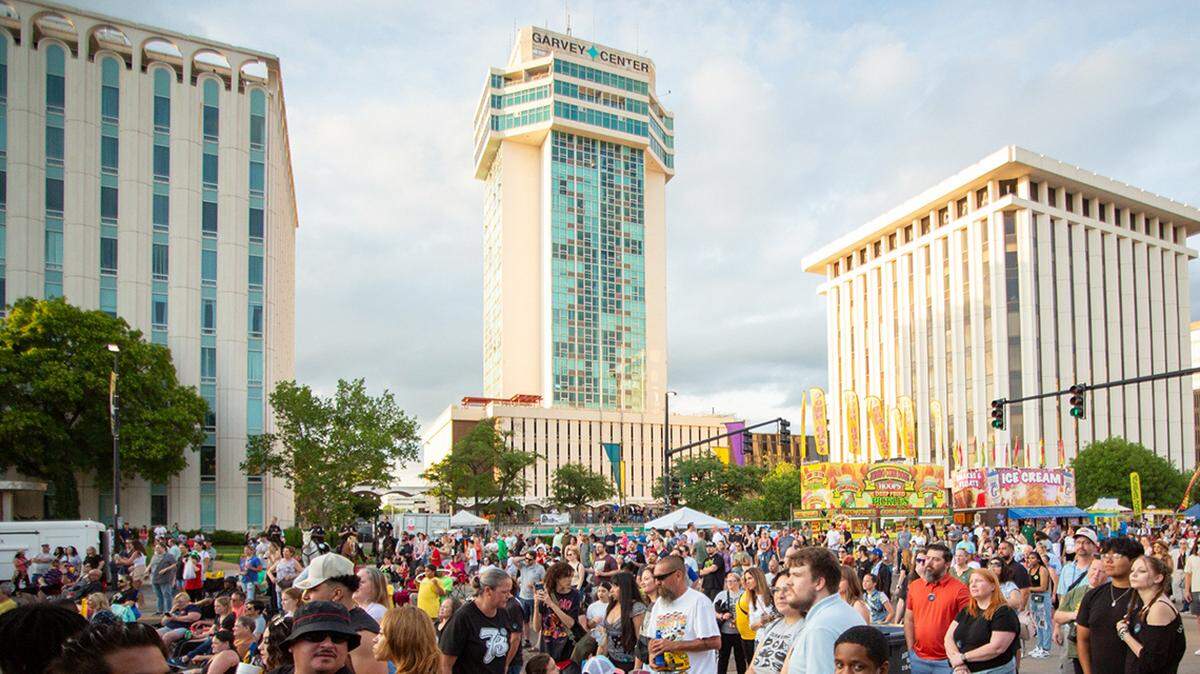
A recent report from Yuzu, a social app, recently delivered a gut punch to this Kansans’ pride. Yuzu ranked America’s friendliest cities using thousands of user ratings that measured things such as stranger interactions, helpfulness and community vibes. Wichita, the Sunflower State’s largest city, ranked dead last. San Diego took the top spot for its “beach vibes” and locals who greet people like old friends. Raleigh, North Carolina, took second for its “warm hellos as common as sweet tea,” while Phoenix took the bronze thanks to its “can-do spirit.” Even landlocked Minneapolis and Denver landed in the Top 10.
But Wichita? According to the report’s jab, “maybe if you visit and offer up a little kindness, you could boost its happiness score next year.”
That cuts deep. This isn’t the Kansas I used to know.
The slide in our reputation isn’t just numbers on a list. It is revealing itself in real time on the national stage. Take Charlie Kirk’s visit to Kansas State University last year. When I was a student at K-State, we called ourselves “family.” We welcomed people to campus with smiles and heartland courtesy. But what should have been a spirited exchange of ideas during Kirk’s visit turned into a stain on our state’s hospitality. Kirk described K-State as “one of the rudest campuses” he’d ever visited. That criticism resurfaced in the face of his assassination. I am genuinely pained that a man who was recently martyred for hosting spirited dialogues on college campuses found such a chilly reception in Manhattan, Kansas. It’s a disgrace to the purple pride.
I heard a similar refrain from another conservative activist who makes regular visits to college campuses and state capitols. Riley Gaines, a former NCAA athlete who lobbies to protect women’s sports, told a group of political communications professionals from across the country that she experienced the harshest welcome she had ever experienced when she visited Topeka to advocate for banning males in women’s sports.
Don’t get me started on Gardner, Kansas. Once revered in the Kansas City metropolitan area as a kind and decent suburb, the local school district boasts several educators who cheered the assassination of Kirk. Where in other communities those public displays of inhumanity resulted in public outcries and lost jobs, in Gardner, they all still have jobs. It appears no one cares.
These events are viral footnotes for all the wrong reasons. They amplify a narrative that Kansas is a cold, polarizing and unwelcoming place. Friendliness isn’t just a feel-good trait. It’s our economic and social lifeblood. Kansas lacks the majestic Rockies and the Pacific’s allure to draw dreamers and doers. Our high taxes and daunting regulations throw out roadblocks to would-be entrepreneurs. We don’t have mountains or oceans, but we used to have people who made transplants feel at home. We’ve had cheerful policymakers and developers who could turn pitches into partnerships over a slice of pie at the local diner. Goodwill gave us an edge.
When Boeing expanded in the 1990s or Spirit AeroSystems set up shop in Wichita, tax incentives weren’t the only draw. The promise of a friendly and dependable workforce and communities that rolled out the welcome mats likely helped close those deals.
By sliding into “rudest” territory, we’re sabotaging our future. Businesses eyeing new sites scrutinize quality-of-life metrics. A 2023 Kansas Department of Commerce study flagged “community vibrancy” as a top factor for retaining talent. Yet, the Sunflower State lost nearly 25,000 more residents than it gained last year.
Young families are leaving for Nashville’s neighborliness, hollowing out our main streets. If national rankings are calling us out for our unfriendliness, and high-profile visitors echo that sentiment, why would a tech start-up choose Overland Park over Omaha, where folks still chat up strangers at the gas station?
Economic development experts and policymakers can argue all day about what tax incentives and policies will entice businesses to locate in Kansas, but as individuals, we have the ability to fix some of our challenges by simply being kinder.
Friendliness isn’t a relic. It’s rocket fuel. In a world of fleeting connections, hospitality can turn a flyover state into a destination and a pit stop into a home. Our communities and our businesses depend on how we treat one another.
We can do better.
Danedri Herbert is the chair of the Kansas Republican Party.