
Dispensary employees free from a union are the future for Missouri | Opinion
Though often overlooked, and sometimes ignored, there has been a surge in worker efforts to free themselves from unwanted union representation. The National Labor Relations Board — which oversees the process for most workers — has seen a 50% increase in such decertification efforts in the past five years.
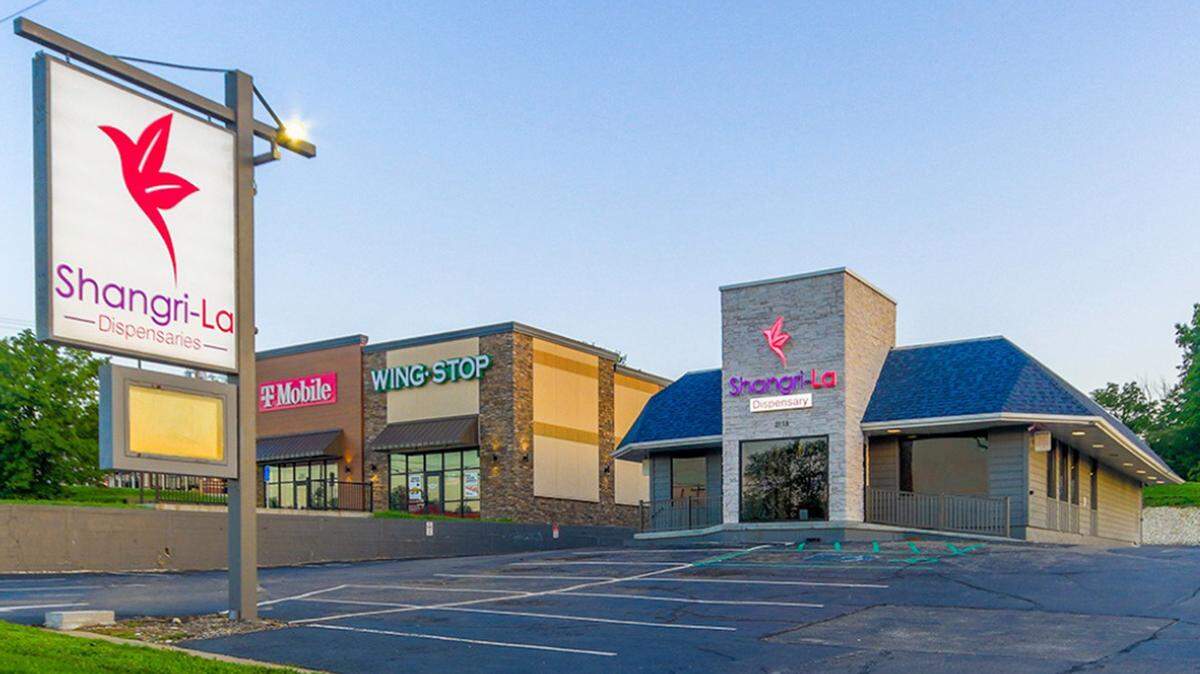
A recent successful decertification by Missouri workers at the Shangri-La cannabis dispensary in Columbia shows how the process works, when it works correctly. After two years of having United Food and Commercial Workers Local 655 union officials as their mandatory representative, Shangri-La employees decided they would be better off without the union.
On Aug. 20, Shangri-La employee Travis Hierholzer filed the request for a decertification election with the NLRB regional office in St. Louis. Nearly every employee signed his petition, though only 30% are required for the NLRB to initiate a decertification election.
One week after the petition was submitted, the workers were officially free of the UFCW, when the union announced it would not contest the decertification. This is a welcome resolution. However, as too often occurs, workers’ decertification efforts do not go so smoothly.
Union officials frequently turn to suspect legal tactics to remain in power: blocking elections from taking place, preventing ballots from being counted or stopping results from becoming official. Various NLRB policies — none found in the text of the National Labor Relations Act — have enabled union lawyers to trap workers in union ranks they oppose for months or even years.
For example, the NLRB’s current “blocking charge” policy allows union officials to block decertification votes from proceeding by simply making unproven allegations against a company. Union lawyers frequently use this tactic to stall elections they know they would lose, often just to keep automatic dues payments coming in.
Another major challenge workers face when seeking to hold decertification votes is NLRB-invented “bars” that restrict when such petitions can even be filed, no matter how strong worker opposition to union representation is. The NLRA — the law Congress enacted that the board is charged with neutrally enforcing — says employees’ election petitions should be processed by the board with just one exception: if an election has already been held within the previous 12 months.
Yet the NLRB is presently enforcing several non-statutory doctrines that protect incumbent union bosses from being removed in situations where the law’s election bar does not apply.
This includes the so-called voluntary recognition bar, where workers are blocked from pursuing a decertification petition for up to a year after the union is installed through card check, a policy that leaves workers vulnerable to union intimidation and pressure tactics by sidestepping an NLRB-supervised secret ballot vote.
Other invented bars block the majority of workers from voting to remove union representation they oppose. These include the successor bar, which blocks a vote for up to a year after a company is acquired, and the settlement bar, which prevents a decertification vote because of an NLRB settlement to which the workers are not party.
Perhaps most pernicious, the contract bar blocks decertification votes for up to three years after a union contract is imposed, incentivizing union officials to rush substandard contracts on workers as a way of blocking growing support for decertification.
Many of these hurdles blocking workers from decertification are bureaucratic rules that can be fixed by a future NLRB majority. They also face ongoing legal challenges from a growing number of employees.
At a Missouri Court of Appeals argument earlier this month, NLRB lawyers struggled to justify the successor bar. One judge even observed that it, and implicitly other NLRB-created bars, are not authorized by the NLRA, but actually are “the suspension of the operation of the National Labor Relations Act.”
Union officials have no place in a workplace where they are opposed by the majority of employees, and the decertification process should be streamlined so the experience of Shangri-La employees becomes the norm. This is especially important in Missouri and the other 23 states that lack right-to-work protections, because, without right-to-work, workers are forced to pay dues and fees to the union or be fired.
Mark Mix is president of the 501(c)(3) nonprofit National Right to Work Legal Defense Foundation.