Kansas made huge discoveries with Congress’ help. Are they at risk? | Opinion
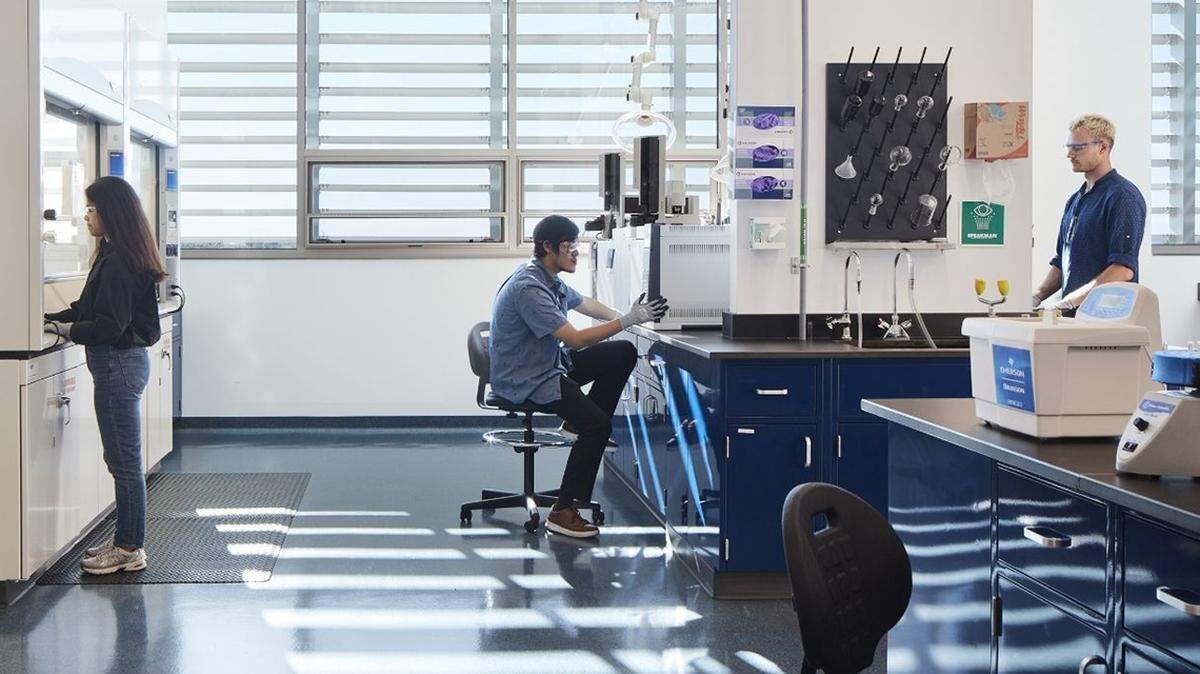
Kansas is both a driver and a beneficiary of the most sustained period of growth in medical innovation in our nation’s history. The current public-private infrastructure has helped our state’s colleges and universities to produce new scientific discoveries, which have then been commercialized for the good of society — making us the world’s leading biomedical innovator.
Now, the question before policymakers at both the federal and state levels is whether we want this success to continue for years and even generations to come.
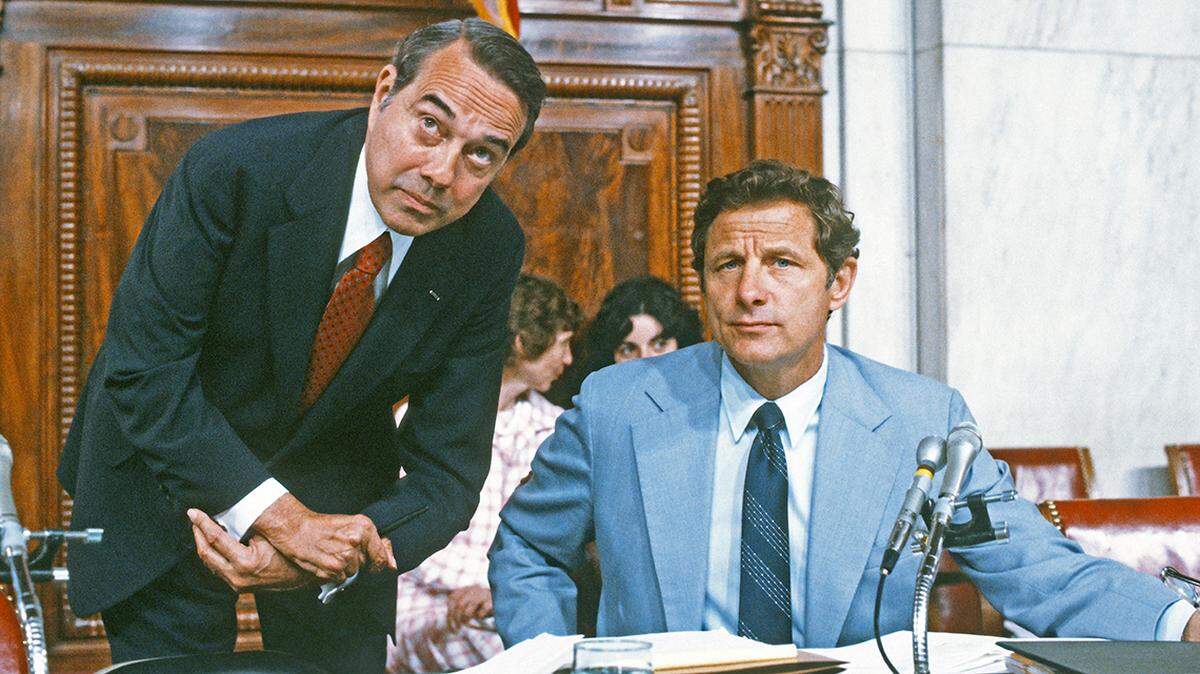
The state has enjoyed a disproportionate share of gains from Congress’ passage of the Bayh-Dole Act — sponsored by Indiana Sen. Birch Bayh and Kansas’ own Bob Dole — in 1980. This law enables universities, nonprofits and small businesses to control the intellectual property rights to any new inventions even if they were supported with federal funding. Giving universities possession of patents and the ability to commercialize them launched an explosion of medical discovery that has strengthened both Kansas’ and our nation’s health and economy.
A study released by the respected Information Technology and Innovation Foundation found that from 1996 to 2020, utilization of the Bayh-Dole Act and commercialization of new discoveries by institutions such as the University of Kansas and Kansas State University has led to 141,000 patents, 18,000 startup companies, 554,000 individual inventions and $1.9 billion in gross industrial output nationwide.
The benefits in Kansas have been seen in developments such as the KU Innovation Park, which hosts 71 companies and generates more than $45 million in annual payroll. Viewed in total, the federal research investment that Kansas universities received from 1996 to 2020 has led to more than 700 patents, 3,000 inventions and 94 startup companies launching. This has helped empower a life sciences industry in our state that supports nearly 35,000 jobs and more than $11 billion of economic impact.
Now, though, we find ourselves at a critical crossroads. American preeminence in bioscience innovation is not guaranteed. China, India and other global competitors want what we have, and they are investing significant resources to build their own robust scientific infrastructures and to attract successful companies and scientists. It should not be lost on us that China recently reached a point at which it is conducting more clinical trials than we are in this country.
Our policymakers need to decide unequivocally that scientific discovery is critical to this country’s well-being and the continued growth of our economy. That means investing in medical research, as well as protecting the Bayh-Dole Act and the sanctity of intellectual property rights. If we pull back on our support for university-driven research and commercialization — and other countries nudge us out of our position of global superiority — we will see economic growth and job creation curbed, and American patients would have reduced access to new treatments and cures.
What’s happening in Kansas should continue to be a model for the country. Supporting biomedical research means more companies breaking ground, more jobs with good pay and benefits and a greater opportunity to defeat diseases such as cancer, diabetes and Alzheimer’s. We know the magnitude of what has been accomplished in the last few decades. The challenge now is to keep it going.
Dan Leonard is executive director of We Work For Health, a 501(c)(4) nonprofit based in Washington, D.C.