
This surgery isn’t cosmetic. Insurance must quit denying it coverage | Opinion
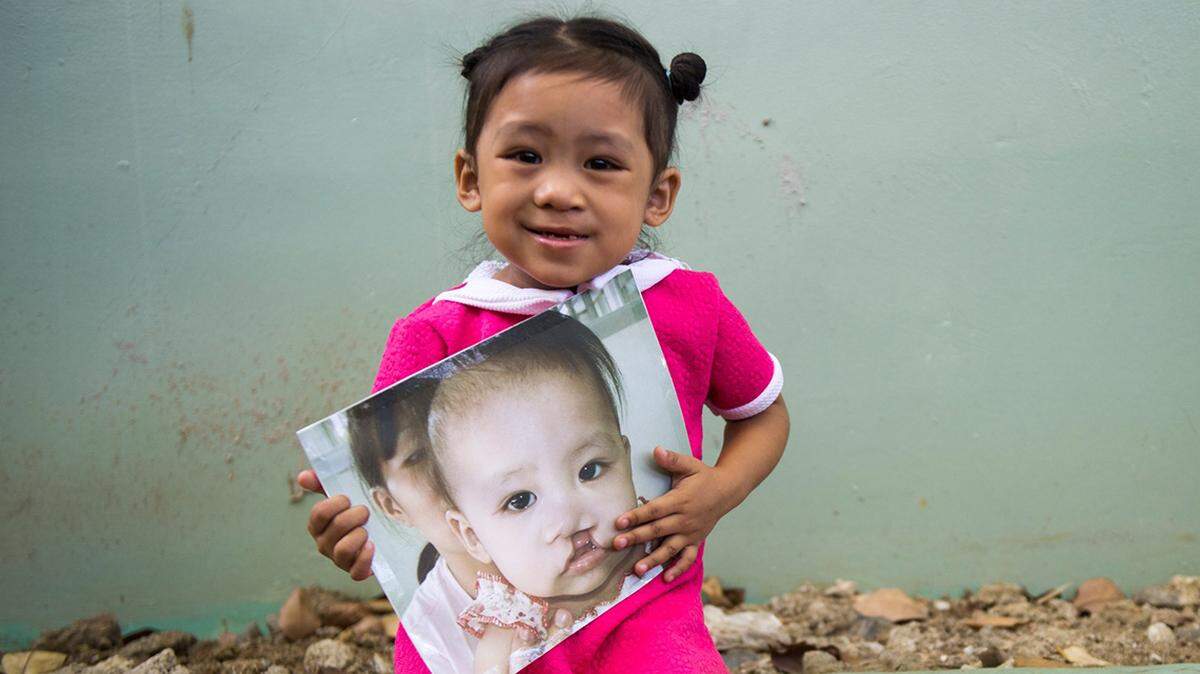
I have spent much of my life waiting. As a kid, waiting for summer break to have surgery, then waiting to heal from surgery, waiting through nights of discomfort and uncertainty, but most of all, waiting for a stranger behind a desk at an insurance company to decide whether my medically necessary surgeries were necessary at all.
I was born with a bilateral cleft lip and palate, a common birth difference resulting in openings on both sides of the upper lip and roof of the mouth, so I can assure you that my surgeries were, in fact, medically necessary. Being cleft-affected comes with challenges related to speaking, breathing and hearing. My story is not unique to just me. The frustration of having to justify medically necessary surgeries is something many people born with congenital anomalies know all too well.
There’s a common misconception that people born with clefts are “fixed” after one or two surgeries, and that could not be further from the truth. Some require a dozen procedures or more. I have had 25 surgeries in my 33 years. Cleft care should never be confused with elective cosmetic surgery. This is a matter of critical function.
As an adult, I received my first denial for care from an insurance company by way of my surgeon just eight hours before my operation. At the time, I was 27 years old and thought I was finally at the end of my cleft journey. But at that moment, I found out that my journey was just beginning. After being asked to pay $40,000 to continue with the surgery, I tearfully had to decline. I could not understand how or why my surgery was being stalled. I was devastated, confused and angry.
After that traumatic experience, I needed to find my community. Through Smile Train, the world’s largest cleft-focused nonprofit organization, I joined the Cleft Community Advisory Council, a group that was created to give cleft-affected adults and parents of kids with clefts a platform — not only to find support, but also to create change. Through the council, I learned about ELSA, the Ensuring Lasting Smiles Act.
ELSA is a bipartisan bill currently before Congress that would fix a longstanding loophole in insurance law. It would require private insurers to cover medically necessary treatments for congenital anomalies, including dental and reconstructive procedures that are often denied. Smile Train is helping lead the charge in making ELSA a reality not only for craniofacial disorders, but all congenital anomalies. Missouri Sen. Josh Hawley and Kansas Sens. Roger Marshall and Jerry Moran are all co-sponsors.
I am asking you to care because 1 in 700 babies worldwide will be born with a cleft lip or palate, and their fight does not need to mirror my own. Collectively, we have the power to change their outcome right now. ELSA has broad support in Congress already — but we, the public, have to do our part. While cleft is a part of my story, it could have just as easily been a part of yours.
My fight for care isn’t just mine, but a fight for every child whose hopes are crushed when insurance denies them medically necessary treatment. The Ensuring Lasting Smiles Act can close this harmful gap, but it needs your voice. Congress needs to hear from you. Call or write your representatives today and ask them to support ELSA so no one with a facial difference has to wait or fight for the care they deserve.
Toni-Elizabeth Wilkerson is a lifelong cleft advocate from Baltimore, Maryland.