
Trump tariffs mean Kansas City buyers lose, while Europeans win | Opinion
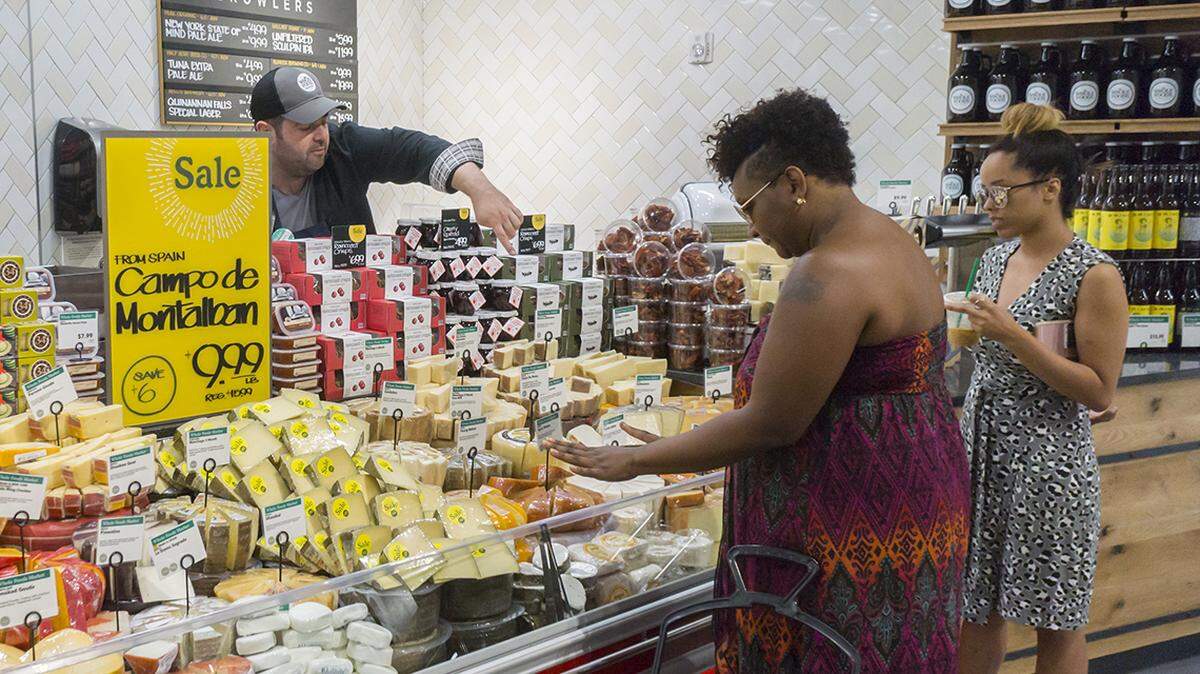
Kansas City, you will soon pay more for German cars. You can also expect to pay more for French wines, as well as for Belgian and German beer. Some local businesses import luxury chocolates and cheeses from Switzerland, which will also cost more. The Danish firm Novo Nordisk sells us Ozempic and Wegovy. Ireland produces Botox and Keytruda for us. No matter whether you are rich or poor, frugal or extravagant, you can expect to pay more with President Donald Trump’s imposition of higher tariffs on European Union products.
On July 28, the White House issued a new fact sheet titled “The United States and European Union Reach Massive Trade Deal.” The policy specifies “the elimination of all EU tariffs on U.S. industrial goods exported to the EU” and the imposition of a 15% tariff on EU goods entering the United States, including on automobiles and auto parts, pharmaceuticals and semiconductors.
The president of the EU Commission, Ursula von der Leyen, now faces intense criticism for agreeing to eliminate tariffs on products coming from the United States, and for going along with the U.S. imposing that 15% on EU products. Who is winning and who is losing from this and other such deals?
While most economists generally oppose tariffs, politicians such as Bernie Sanders, Joe Biden and Trump are not always against them. Why do politicians sometimes support tariffs against economists’ advice?
Politicians like to claim that tariffs can protect American jobs. Economists call the mistaken idea that there is somehow a fixed number of jobs in this world to fight over the lump of labor fallacy. Appropriate monetary and fiscal policies can adjust the number of jobs to reduce unemployment while avoiding excessive inflation. If there is no fixed number of jobs, why do politicians say they are protecting employment rates by imposing tariffs on foreign imports?
Protecting some jobs, risking others
These politicians are not exactly lying. They are protecting and promoting jobs in some industries — but at the expense of losing jobs in other sectors. For example, the United Steel Workers is a strong and powerful union, representing more than 34,000 workers in District 11, which includes Kansas and Missouri. Blocking steel and aluminum imports will reduce competition and generate more demand for domestically produced steel and aluminum, driving up their prices and increasing profits in the steel and aluminum industry, which translates into more jobs and better pay. Keeping these workers happy means getting their votes at election time.
But what about all those industries that were importing inexpensive steel and aluminum as inputs into producing everything from bicycles and lawn mowers to refrigerators and automobiles? When prices go up, demand and profits go down. Workers may have their hours cut back, and some may lose their jobs entirely. Some of those workers, such as those in the automotive industry, may catch on and protest, but others might not quite see the connection to the higher steel and aluminum prices.
EU politicians may secretly like the zero-tariff agreement on U.S. car imports into the EU because it ties their hands when Volkswagen, Mercedes and BMW workers complain. But it enables those politicians to benefit from the lower prices for U.S. car imports that their voters will appreciate from zero tariffs forced on them by the U.S.
By now, most people realize that foreign governments do not pay the tariffs imposed on their countries’ products. Walmart and other importers of foreign products pay the tariffs directly to the U.S. government at the port of entry — seaport, airport or border crossing.
Tax on a tax, higher retail prices
Luxury goods might have a large enough profit margin to allow the importing company to absorb at least some of the cost of the tariff, but discount retail stores such as Walmart, which operate with very small profit margins, generally pass the entire tariff along as part of an increased shelf price for the product. When the usual state and local taxes are applied at the point of sale, you are, in effect, paying a tax on a tax.
But what about the much needed revenue raised by tariffs? Isn’t that a good thing? Revenue may increase at first, but as the tariff rate increases, people switch to cheaper substitutes and the tariff revenue starts dropping.
Just like a sales tax, a tariff is not based on your ability to pay. If you are a very wealthy person who only cares about accumulating as much money as possible, then transferring the tax burden from income tax to a sales tax is to your advantage. But shifting the tax burden from those who have the ability to pay to those who are trying to piece together enough money to pay next month’s rent may not work so well.
Other countries that are forced to lower their tariffs on imports from the U.S. by the Trump administration might find themselves in this same situation: Their politicians lose politically but their people win economically with lower prices. Meanwhile, American politicians win somewhat politically — but the American people lose economically with higher prices.
Life is complicated, especially when it involves economics.
Lawrence C. Marsh of Kansas City taught at Avila University, the University of Notre Dame and the University of Chicago. He is a former Kansas City Star Midwest Voices opinion columnist and published 81 of those columns in his book “Brain on Fire” in 2011.