
Fatal truck crashes have spiked in Kansas, Missouri. Don’t add to the danger | Opinion
While Missouri is making headway curtailing crash fatalities involving large trucks, and as Kansas battles an increasingly deadly trend, lawmakers in Congress are weighing proposals that threaten to reverse any gains, putting area motorists at risk.
At issue are proposals that would allow huge tractor trailers on the nation’s roads, despite powerful evidence indicating that crash rates are much greater for heavier trucks. Lawmakers are eyeing legislation promoted by large shipping companies that would increase truck weights from the current standard of 80,000 pounds up to 91,000 pounds or beyond.
Fatalities involving large trucks on Kansas and Missouri roads have spiked dramatically over the last decade, according to federal data.
Findings from the National Highway Traffic Safety Administration indicate that annual fatalities in Missouri resulting from crashes with large trucks rose by 41.2% between 2013 and 2023. In all, 1,298 people died in Missouri during that period as a result of collisions involving large trucks. But in 2023, the year with the most recent federal data, annual crash fatalities involving big trucks in Missouri dipped by nearly 18% compared to the previous year, from 146 deaths to 120 deaths. That’s good news, but no reason not to remain vigilant.
Meanwhile, Kansas has experienced a year-over-year increase in fatalities in the most federal recent data. The number of deaths involving large trucks rose 8.5%, from 82 fatalities in 2022 to 89 in 2023. It is a continuation of the surge in fatalities — annual deaths from crashes with large trucks climbed by more than 30% between 2013 and 2023, with 847 fatalities during that period.
Amid these public safety challenges, state leaders will need to fight a rearguard battle against congressional lawmakers, who are debating several legislative proposals that would make area roadways more dangerous. With the highway transportation reauthorization process already underway votes expected this fall, lawmakers are expected to debate these proposals (all previously introduced in the last Congress) and others as possible amendments.
One proposal would create a 10-year pilot project allowing 91,000-pound trucks on our roads — 5.5 tons heavier than today’s current limits. This proposal was discussed at length in a House Transportation and Infrastructure Committee hearing that I attended with members of the Coalition Against Bigger Trucks earlier this spring.
I watched as representatives of the Owner-Operator Drivers Association, Truckload Carriers Association and the Teamsters — the people who actually drive these trucks — come out in opposition to heavier trucks. Their argument: Bigger trucks are more dangerous trucks.
Another House proposal would give a green light to trucks hauling automobiles to operate permanently at 88,000 pounds, 10% above the current interstate weight limit.
A third proposal would allow any governor to declare a crisis and raise maximum truck weights on interstates without requiring thorough analysis demonstrating the need — an authority that only the president currently has. It would create a chaotic patchwork of different weight limits in various states — not only dangerous for motorists, but confusing to the trucking industry.
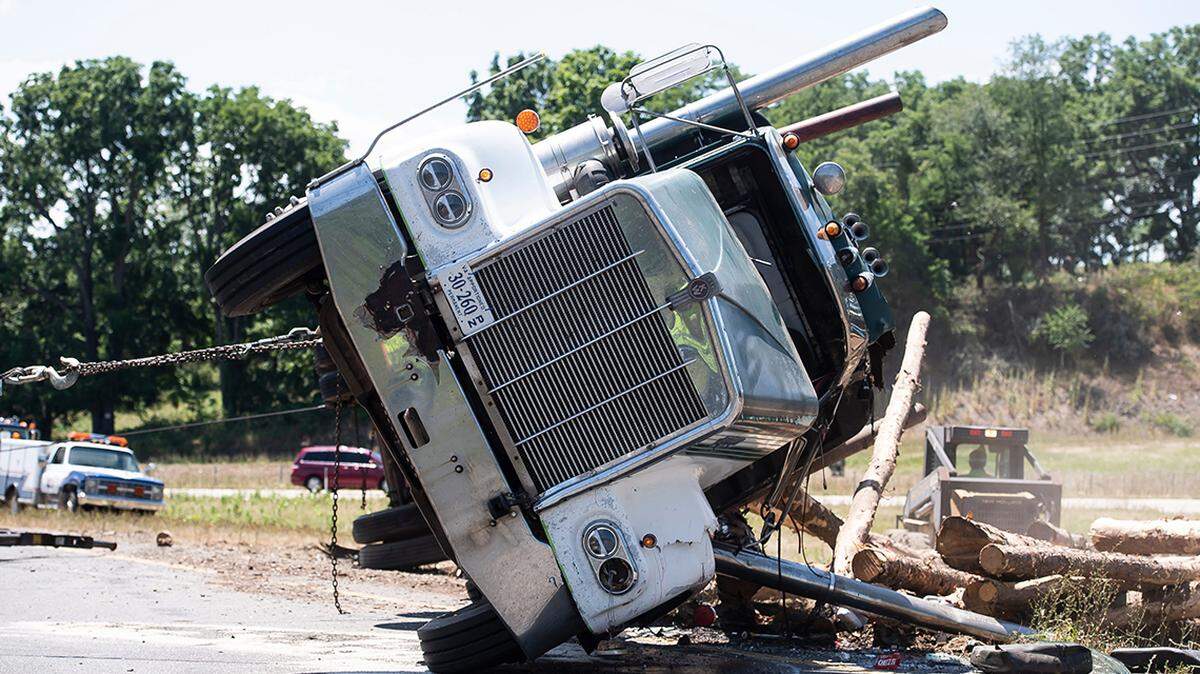
Most recently, lawmakers introduced the Safe Routes Act in the current congressional session, which would dramatically expand where massive log trucks are allowed to operate. These log trucks weigh 84,000 pounds to as much as 156,000 pounds, 38 tons more than the current weight limit. The measure would exacerbate the unique safety issues that log trucks have, including higher rollover rates, increased likelihood of fatalities and loose cargo.
Policymakers and lawmakers have known for years about the dangerous and deadly relationship between safety and truck weight.
In 2016, the U.S. Department of Transportation recommended against any increases in the size or weight of trucks. It documented serious safety problems, finding a 47% to 400% higher crash rate for heavier trucks when compared to standard 80,000-pound trucks, in state testing.
The summer driving surge is now in full swing, with the period between Memorial Day and Labor Day often dubbed the “100 Deadliest Days of Summer” because of the uptick in roadway fatalities. Lawmakers in the Kansas and Missouri congressional delegations have the opportunity to make the right choice for state motorists and ensure that our highways are not made more deadly.
Steven Casstevens is a past president of the International Association of Chiefs of Police and the Illinois Association of Chiefs of Police. He currently serves on the law enforcement board for the 501(c)(4) nonprofit Coalition Against Bigger Trucks.