
I’m finally ditching my landline phone, but what are we really giving up? | Opinion
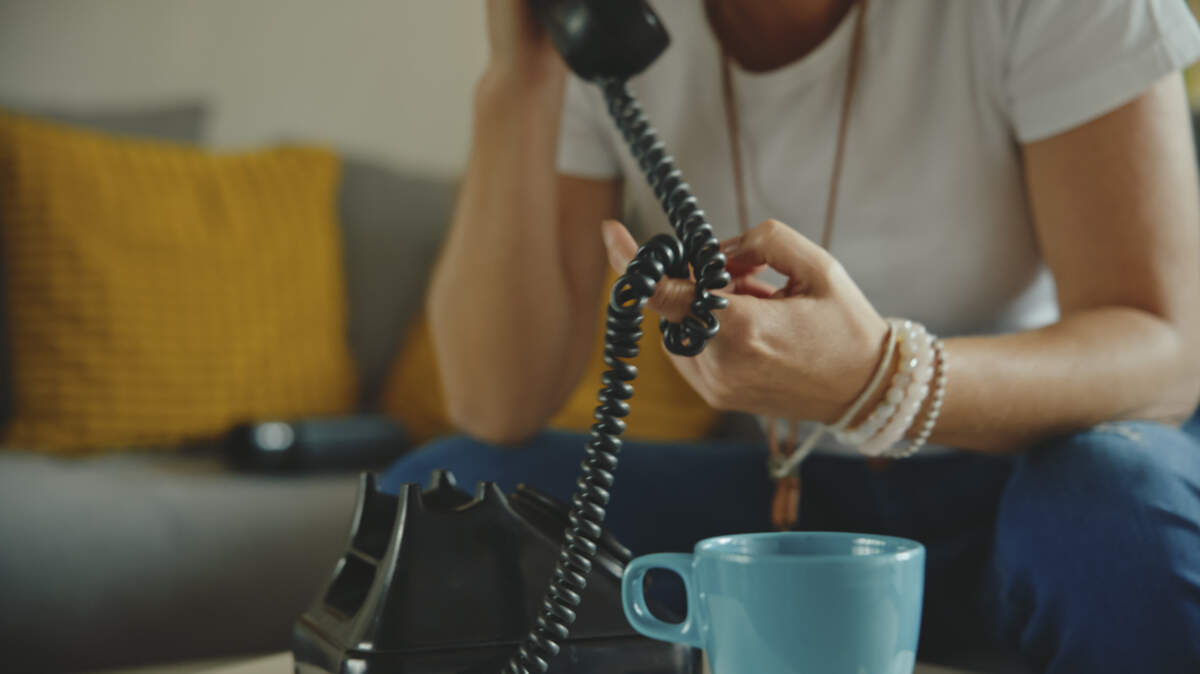
For years I tried to convince my husband that we should do away with our landline phone, but he wasn’t ready.
We might need it one day, he’d insist, even though we practically live in a suburban cell tower forest.
I didn’t push it but our unused phone on the kitchen wall seemed to leave a message that we were holding onto a relic from a bygone era.
The future call my husband thought we’d make was redirected after a (completely shocked) neighbor told us she couldn’t believe her mom still had a landline.
I looked over at my husband with raised eyebrows, and the next day had his blessing to cut the cord.
To permanently turn off a phone, though, you actually have to call the phone company — no sneaking out online.
And before you go, they try to keep you.
The person I spoke with asked if I was sure I didn’t need the phone for medical devices. I already felt ancient — when more than 75% of the U.S. population had long said goodbye to their landlines — and he had to dial it up, making me imagine myself unable to get up.
No, I said, I didn’t need it for medical devices.
Then he went more sentimental, pointing out that we had had that number for 31 years.
I thought briefly about how the phone had been there for thousands of basic calls, but was also used for more important conversations, such as when my husband called our doctor in the middle of the night to say (true story) “My doctor is in labor,” and years later when the nursing home reached me before dawn to say my mom was unresponsive and had been rushed to the hospital.
It was also the line I had used in remote work, long before that was a thing, interviewing people while sitting at our dining room table.
And while talking on my cellphone with the Verizon man, I pictured myself balancing the old phone between my ear and my shoulder while making dinner and the kids were playing at my feet.
So yeah, in the time it used to take to speed dial someone, I was nostalgic for that 10-digit number.
Truthfully though, we had already broken up even if the phone still hoped we’d pick it up for that anticipated emergency call, or finally to succumb to the persistent police fundraisers.
Ending the line confirmed what we had already been doing. If you want to reach anyone at our house you go straight to that person: no middle man.
And maybe I was the one who wasn’t ready for this change, another loss added to a list of them. We seem to keep cutting out new conversations with ubiquitous self-checkout lines or curated news stories on our social media feeds.
Even the basic idea of having to talk with someone you weren’t specifically looking for is a lost art — something many of us had to do as kids when our friends’ parents or siblings picked up our calls.
For me, this was also true more recently when I’d call one of my sisters and might catch a brother-in-law. Now we call directly or just group text, which alas, ends the possibility of chatting with other family members.
Not hearing different voices, just the ones we want, strikes me as a significant loss of random connections and a reinforcement of just hearing what we want.
It’s a casualty the Verizon guy failed to mention even as we made small talk.
Carol MacLeod Zimmermann is news editor of the National Catholic Reporter, based in Kansas City. She lives in Germantown, Maryland, and keeps up with coworkers on her cellphone.