My father the Kansas test pilot still speaks to me about climate change | Opinion
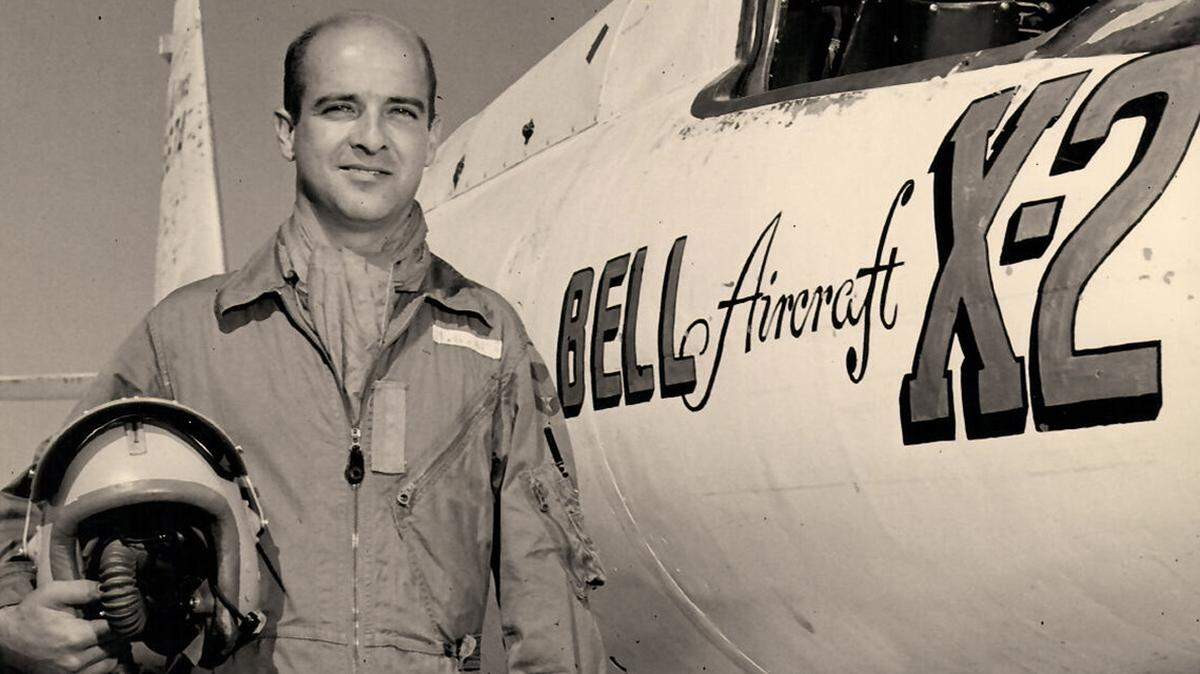
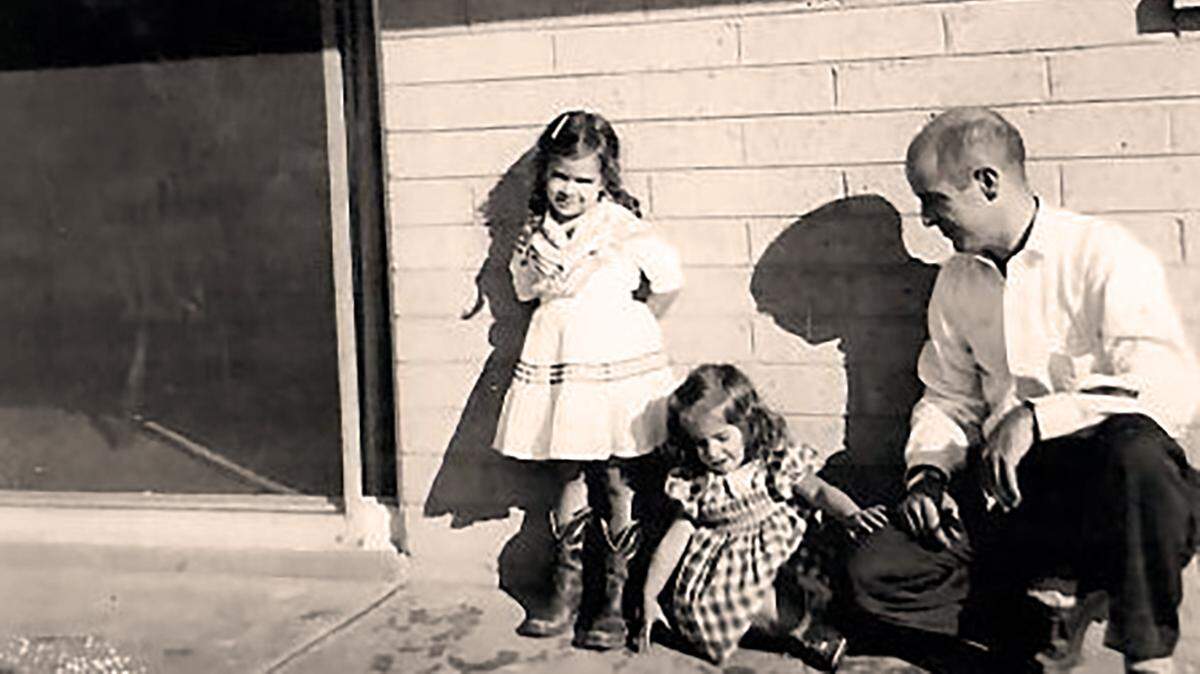
In the 1950s, my father was a test pilot during those heyday years of “The Right Stuff,” when men went up in small experimental planes to see what would happen. A farm boy from Wilson County in southeastern Kansas, Captain Mel Apt had worked hard to get assigned to the mecca of test pilots: Edwards Air Force Base in southern California.
Early one morning, when I was asleep in my crib, he flew the Bell X-2 Starbuster to Mach 3, three times the speed of sound, faster than any man had flown before. At the end of this research in the sky, the plane spun out of control and crashed in the Mojave Desert.
His death headlined the news, and I became a writer because other writers had made my father real, a gift for which I thank each one of them. The Aviation Times called the 32-year-old a “do-it-yourselfer” who had “paneled the den, put in a patio, and nursed along a striking flower garden.” Newspapers used the language of cliché, and he became “a cool head,” “an ace” and “a doomed pilot on his last ride.”
He became part of me. As well as being a cool head, my father was the man who always loved me and never let me down. I consider this act of imagination one of my greatest achievements. Over the years, we have had a few conversations. Most recently, I asked my father, who was raised to believe in technology and progress, what he thinks about global warming and climate change.
It’s important to remember what the test pilots were doing in the 1950s. Post-World War II, we hurried to develop a plane that could carry nuclear weapons from America to the Soviet Union without refueling. Meanwhile, the Soviet Union hurried to develop a similar plane. The motto at Edwards Air Force Base was “Ad Inexplorata,” or “Into the unknown,” and everything about these new jet planes was unknown: if their engines would explode, if their wings would stay on. Men like my father felt proud to risk their lives for the future of their country and — really, they thought — for the future of everyone.
Their work would lead in a line to safe passenger jets. Meanwhile, despite the proliferation of nuclear weapons, we have miraculously avoided nuclear war. Today, airplane travel contributes immeasurably to the global economy, global diplomacy and global culture, as well as an estimated 3.5% to our warming climate.
I explain to my father that in raising the Earth’s temperature, we have changed entire planetary systems. Hundreds of millions of people will die and are dying already. Most of these will be the most innocent: the extremely poor who produce only a fraction of greenhouse gases and unborn children who don’t produce any.
I explain that, like him, we are flashing into the future. But this is not a future we believe in and want to make safer and better. We are creating a future we never want to see. We are severing our connection to the future even as we sever our connection to the past. More and more isolate, we are taking ourselves out of the continuum, past and future.
I am weeping now when I tell my father that, like him, I was meant to be a hero. I had the job of protecting my children, all the children of the world. And I failed. I fail every day.
In that internal landscape, my father remains a young man, dressed in his flight suit, holding his helmet with its dangling oxygen tube. As a test pilot, he has been in a few dire situations. He looks serious.
He is, almost by definition, an optimist. Global warming is a problem we have to solve, he says, and so we will. We will stop burning fossil fuels and switch to solar and wind. We will transform our food system into one that draws carbon into soil and trees. We will eliminate waste and consume less. We will make the cultural changes that represent our best selves.
This isn’t easy to imagine. But we have to imagine this for this to happen. My father becomes energized. We need technology, too! he exclaims. Technology is a creative impulse that comes from our deepest desire to engage with the world.
He smiles at me.
“Mayday,” he says calmly. That’s what the pilots used to do, calling into the base, sounding normal. “Hello, Edwards. Mayday. Bailing out.” And sometimes that worked fine. Sometimes they went home that night to eat dinner with their families.