
Missouri is leading with smarter, safer roads. Other states should catch up | Opinion
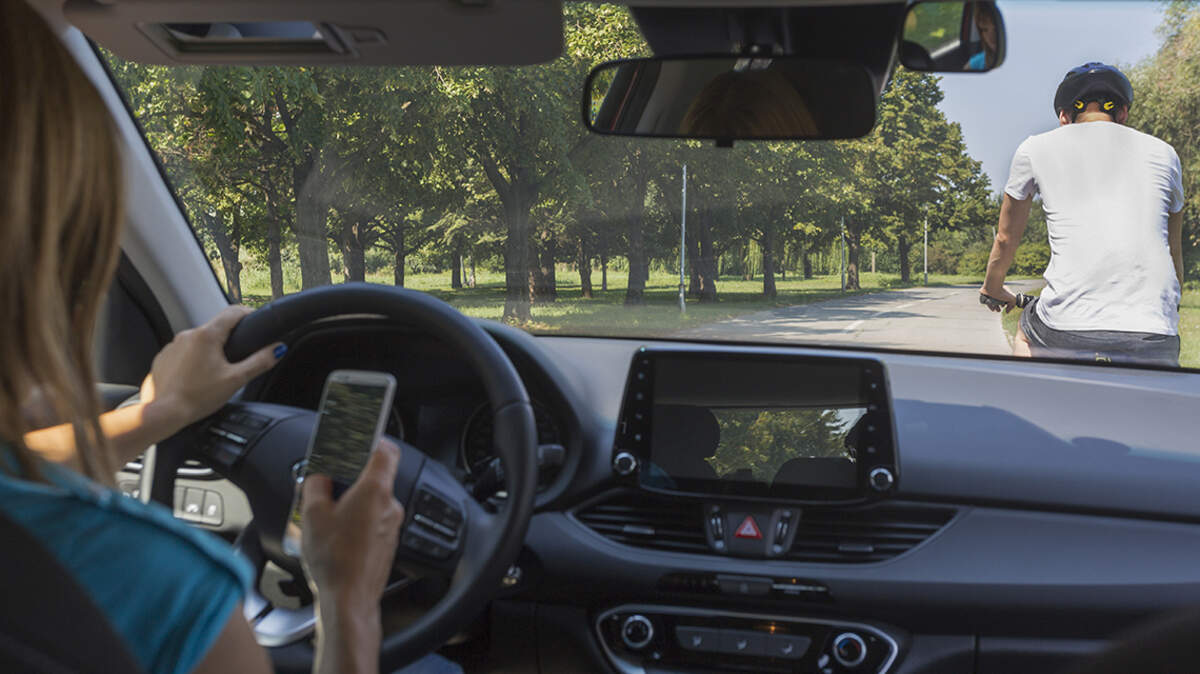
Whether you’re behind the wheel or crossing the street, a single glance, text or swipe on your phone can change or end a life.
Distracted driving isn’t just dangerous. It’s deadly. More than 100 Missourians died last year because of distracted driving, and at least 400 lives were lost between 2019 and 2023. These aren’t just statistics — they are our neighbors, friends and family members. And the worst part is that they are lives that could have been spared.
Fortunately, Missouri is showing what’s possible when states take distracted driving seriously, not just through laws and campaigns, but with the right tools, smarter infrastructure investments and strategic use of data.
In January, Missouri’s hands-free electronic device law took full effect, reinforcing that safety comes first on its roads. But the Missouri Department of Transportation isn’t stopping there. The state has embraced technology and analytics to get ahead of risk, so crashes can be prevented before they occur.
Thanks to a grant from the Governors Highway Safety Association and General Motors, in partnership with AAA and Cambridge Mobile Telematics, Missouri is now piloting anonymized telematics data, which analyzes vehicle traffic to understand where distracted driving is happening in nearly real time. This insight allows transportation officials to identify high-risk corridors and make targeted improvements that will prevent crashes and save lives.
The use of modern roadway safety analytics is the latest example in Missouri’s laudable history of supporting proactive safety initiatives — from the highly visible Buckle Up Phone Down initiative to an increased investment in the state’s Highway Safety Improvement Program. These efforts have yielded tangible results. For instance, infrastructure improvements such as median guard cables are estimated to save more than 50 lives each year. MoDOT has also embraced infrastructure innovations such as adaptive signals and J-turn intersections on four-lane highways, which have reduced fatal crashes by up to 88% while improving traffic flow and reducing costs.
Over the next three years, the department has programmed nearly $500 million in safety improvements estimated to save more than 300 lives over the next decade.
Smarter infrastructure investments, guided by real-world data, don’t just save lives. They also save money, reduce emissions and help move freight more efficiently across Missouri.
This is a model other states should be following. Too often, we wait until a tragedy strikes to fix dangerous intersections or repaint stripes on roads. But we now have the tools to act sooner, with telematics data and predictive analytics on near misses, driver distraction and infrastructure conditions that transportation safety officials can use to intervene. These tools are transforming how Missouri’s transportation leaders plan, design and maintain our roads.
Missouri is proving that safety and mobility go hand in hand, and that smarter roads are within reach. It’s time for other states and the federal government to follow the Show-Me State’s example.