
Josh Hawley’s reversal to yes on Trump bill could help Missouri hospitals | Opinion
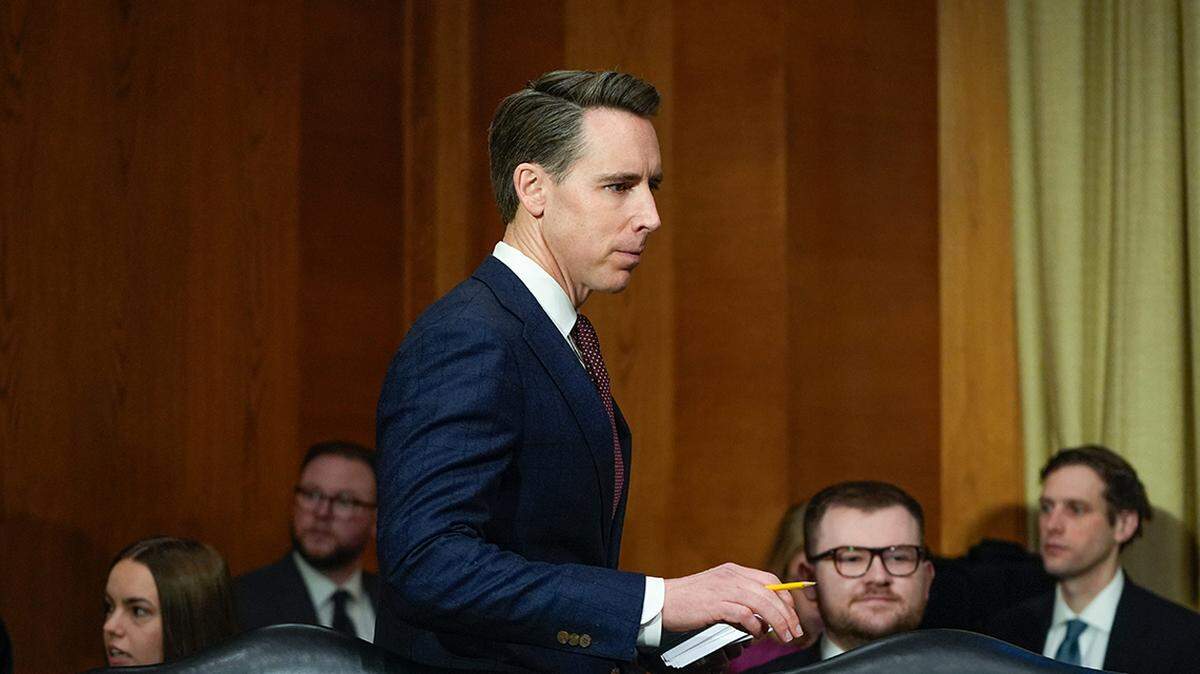
Much has been made of Missouri Sen. Josh Hawley’s decision, contrary to the views stated in his May 12 New York Times op-ed, to vote in favor of President Donald Trump’s signature piece of legislation, the One Big, Beautiful Bill.
One side of the aisle seems to be calling him out for caving to GOP leadership, while the other is calling him out for opposing the bill in the first place. But far too little is being made of the tangible wins he secured for Missourians and rural communities around the country.
Hawley gained several concessions from Republican leaders in his negotiations, all of which revolved around cushioning the blow of the necessary but harsh cuts to Medicaid the bill emphasizes. Hawley took a three-pronged approach, adding measures that allow the cuts to take place but help stabilize the healthcare system during the transition. The first prong of this approach was negotiating a delay in the implementation of these cuts till next year, giving lawmakers, health care providers and Medicaid recipients time to adjust.
The second was expanding and reauthorizing RECA, the Radiation Exposure Compensation Act. This 1990 legislation is targeted at helping those who have developed radiation-related illnesses such as cancer due to exposure to government use or production of radioactive materials. In its expanded form, residents of the St. Louis area will have access to compensation for the first time.
The third and most crucial prong of Hawley’s approach was the creation of a $50 billion rural hospital fund, to be distributed over the next five years. There are between 60 and 65 hospitals in Missouri that are likely to qualify under the provision. Many of those hospitals run on slim margins, and as many as half are operating on negative margins each year. Roughly $1.5 billion in federal Medicaid funding and $1.95 billion counting state contributions were expected to flow to these rural hospitals over the next 10 years before the One Big Beautiful Bill was signed into law. The American Hospital Association estimates a 29% cut in federal Medicaid funding to these hospitals over the same span, which comes out to about a $435 million cut. While the details are yet to be ironed out, the $50 billion rural hospital fund is expected to send roughly $1 billion to Missouri over five years. That works out to a $565 million net increase in funding for Missouri’s rural hospitals overall, assuming state funding stays the same.
Precisely accounting for the impact of such a massive piece of legislation is always difficult, and my calculations here are only rough estimates, but it looks as though Hawley has increased the amount of funding that will flow to these hospitals without compromising the other major items on Trump’s legislative agenda. He also managed to help delay the cuts till next year, in line with the start date for his rural hospital fund, eliminating any gap in funding for these struggling medical facilities.
Missourians on the left side of the aisle need to look at these measures honestly, as valuable cushions for the health care system in Missouri and around the country that will prevent catastrophic losses of funding and actually improve the state of rural health care in Missouri. Those on the right need to recognize these measures as a calculated approach to slimming entitlements without leaving our most vulnerable communities in the lurch.
Politics is the art of the possible, and both sides need to recognize Josh Hawley’s accomplishment, bringing Donald Trump’s legislative agenda to life without harming rural communities.