
As World Cup comes to KC, kids from low incomes, all backgrounds deserve sports | Opinion
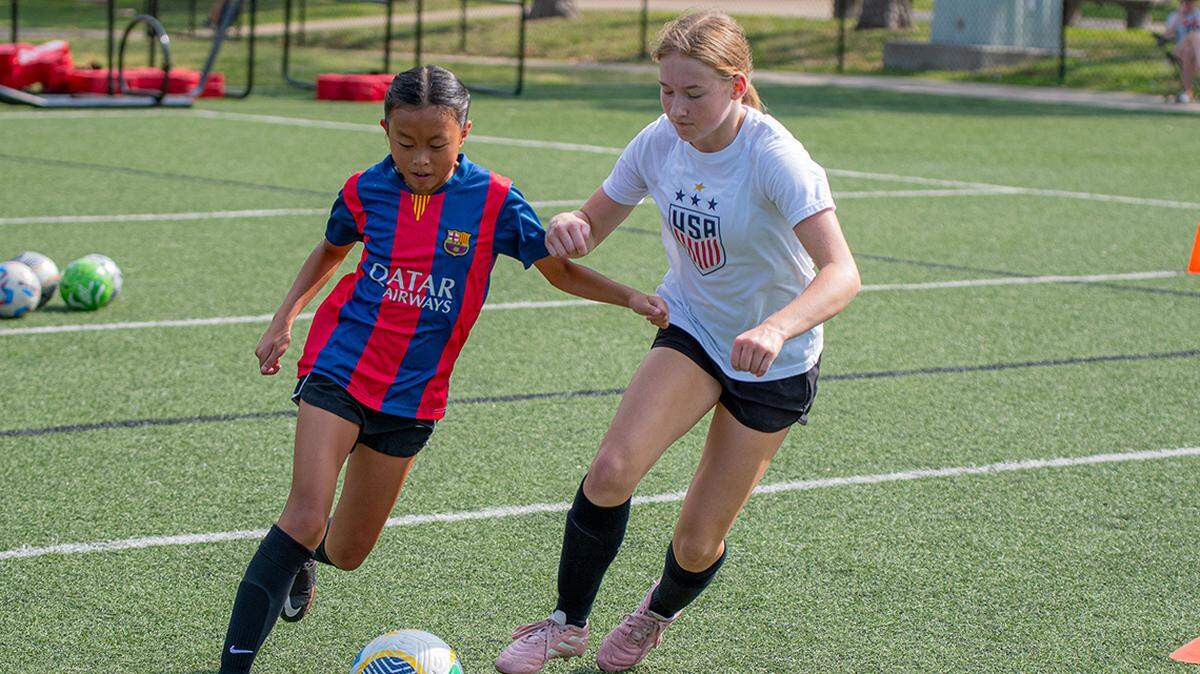
In many countries, soccer is an equitable game that’s accessible to anyone with a ball and a space to play.
In the United States, youth soccer is a pay-to-play venture dominated by the suburban middle class. The average family spent nearly $1,000 on soccer in 2024, up 69% in five years, according to a survey by the Aspen Institute’s Project Play initiative. The costs are thousands of dollars more for families focused on travel soccer.
As Kansas City prepares to host the FIFA Men’s World Cup next summer, it’s worth asking: What lasting impact can this major spectacle have on local children?
Too many children in the Kansas City region lack access to sports and physical activity. Low-income children are three times less likely to play on travel sports teams than those from the wealthiest homes, according to the Aspen Institute’s State of Play Kansas City report. Low-income youths also report having less fun and gaining less sports knowledge while playing.
Many quality sports programs exist in the Kansas City region, but the area lacks systems to connect the dots. There aren’t enough intentional ways to bring together families, schools, sports providers and government to build collaborative solutions to get more kids playing.
More than 80% of all Kansas City-area programs supporting physical activity and sports for children operate locally within a single neighborhood, city, county or school district, according to University of Missouri-Kansas City research. This allows these programs to be highly responsive to children at their local level. The downside is it’s more difficult to coordinate actions within the entire local ecosystem so more children can play.
What could a World Cup youth sports legacy project look like? Here are three ideas.
Bring smaller nonprofits together to advocate for funding: Kansas City needs more bridges between funders and boots-on-the-ground community leaders to directly build relationships that can serve neighborhoods’ needs. Smaller nonprofits focused on sports and play could start a coalition to build capacity and advocate for funding using one voice.
Collaborate on regional sports policies: Sports organizations could work together to establish regional policies that emphasize the importance of sports to promote and sustain a physically active population. Active children enjoy greater lifelong health benefits, perform better academically, and report higher levels of self-esteem and less depression.
Recognize the good actors in youth sports: Our kids’ games have become highly commercialized, creating pressure on children to specialize and thrive in one sport at young ages. In 2024, Kansas City endorsed the Children’s Bill of Rights in Sports, a set of principles creating a shared understanding that all young people should have the opportunity to:
Play sports.
Benefit from safe and healthy environments.
Learn from qualified program leaders.
Engage in developmentally appropriate play.
Share in the planning and delivery of their activities.
Get an equal opportunity for personal growth.
Be treated with dignity.
Enjoy themselves.
Additional cities, counties, professional teams and others could work collectively to start a recognition program honoring local sports providers who meet the Bill of Rights’ mission. Incentives could be created for other organizations to improve.
Kansas City trails some other World Cup cities when thinking about the legacy for youth, The Kansas City Star reported. For example, Los Angeles is partnering with the Play Equity Fund to bring the power of sport and play to all children. The San Francisco Bay Area is increasing access to sports for young people of all backgrounds and abilities across nine counties. There’s still time in Kansas City to hear from the community and take action.
On Aug. 19, the Aspen Institute and Children’s Mercy Kansas City are co-hosting Kansas City Community Conversations on Youth Sports. Building off the State of Play Kansas City report findings and recommendations, it’s a free, regional event designed for coaches, nonprofit leaders, administrators and parents to explore how sports can improve health, education, equity and community outcomes for youth.
Opportunities like the World Cup don’t come around often to inspire a community. Through smart collaboration and investment, Kansas City can use the next year toward achieving a powerful goal: more children playing and enjoying sports.