
Huge cuts to SNAP mean Missouri and Kansas face an impossible challenge | Opinion
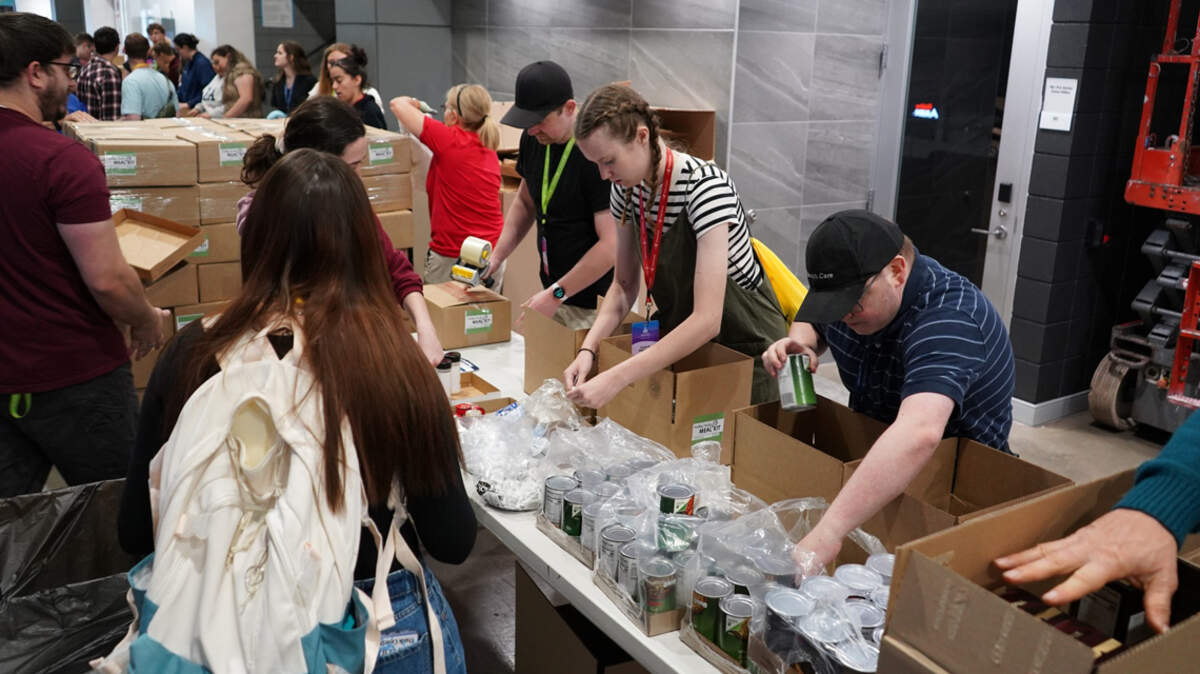
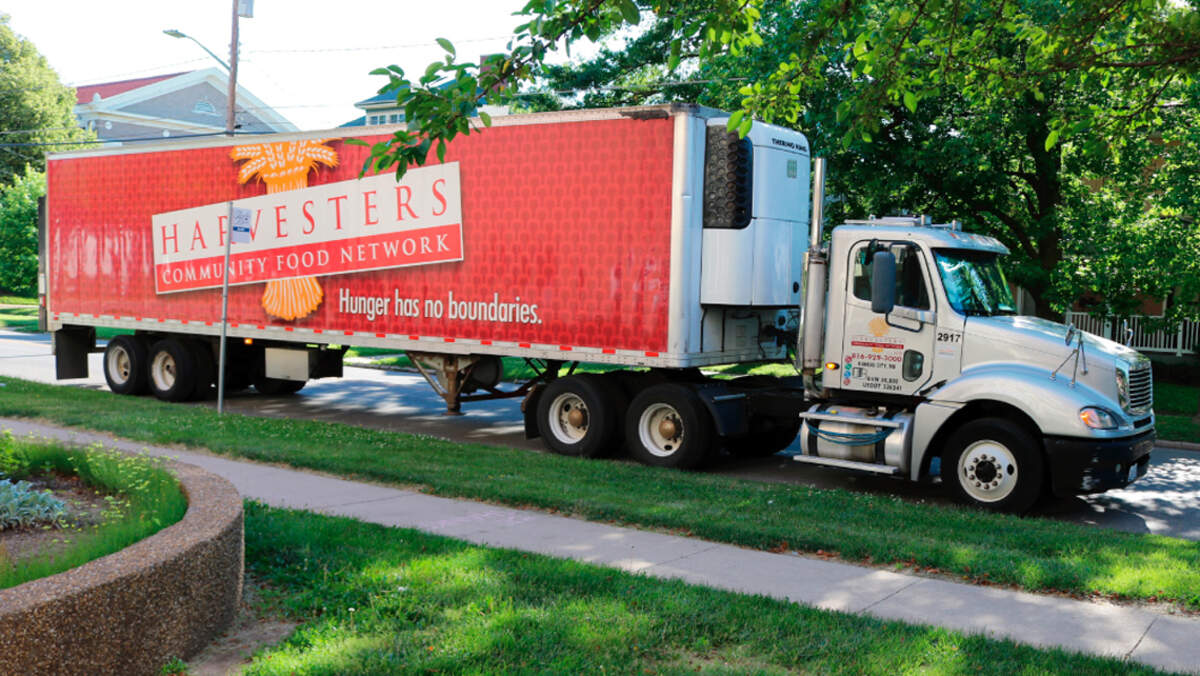
Since 1979, Harvesters — The Community Food Network and our partner agencies have served our region providing consistent access to nutritious food for those experiencing food insecurity. We now serve 27 counties and provide more than 60 million pounds of food annually. You’ve likely seen our trucks around town or our donation barrels in your local grocery store.
Though we are proud of this work, the fact is that this pales in comparison to the assistance provided by SNAP, the federal Supplemental Nutrition Assistance Program. For every one meal that Harvesters provides, SNAP provides nine. It is the most effective tool our nation has to combat food insecurity, and it is now facing a shocking level of defunding.
The proposed cuts to SNAP in the One Big Beautiful Bill would help kick off a spiral of poverty and malnutrition that would be felt for generations to come.
The highest number of Kansas and Missouri residents in a decade are facing food insecurity. The 501(c)(3) nonprofit Feeding America’s latest “Map the Meal Gap” study shows 1 in 7 individuals is food insecure. For kids, it’s 1 in 6. We are seeing food fly off our shelves as soon as it comes in, and many of our shelves are empty as we face cuts to other federal nutrition programs.
Proposed cuts to SNAP are around $211 billion over 10 years through changes to the structure of the program and cuts to eligibility and benefit levels. Feeding America estimates nearly 7 billion meals could be lost for SNAP participants every year.
Just as significantly, the bill would also shift more of the benefit costs to states by requiring states to pay a portion of SNAP benefits for the first time in program history.
Kansas would have to come up with an estimated $61 million, and Missouri $225 million annually, resulting in a significant financial burden on each state.
The bill states that children older than age 10 would no longer be considered dependents for the SNAP program, forcing parents to meet strict work requirements without consideration of when children are not in school. It also raises the work requirement age to 65. In total, an estimated 11 million participants could lose some or all of their benefits.
Despite being labeled an economic burden, SNAP is actually a revenue generator. For every dollar spent on SNAP, the program generates between $1.50 and $1.80 in economic activity. SNAP creates more than 389,000 American jobs and generates $20 billion in wages.
Hunger is never the only issue someone in poverty is facing, and most of us are one major life event away from needing help.
We want people to be self-sufficient, but provide little support to make life changes to get there. We expect kids to succeed in school while their stomachs are grumbling, and they don’t know where their next meal is coming from.
We expect high performance at work, while people are exhausted and also dealing with declining health, housing insecurity, or lack of child care or transportation. Many times, all of these at once. For many, it’s a minor miracle just to make it through the day.
No one wins when poverty and hunger increase. For us to have healthy, thriving communities, we need to provide care, support and real opportunity for our neighbors experiencing hunger. This is why SNAP exists. It is a temporary solution to give a small amount of help to those who are in acute need. Harvesters will be here no matter what, working with what we have to feed our neighbors. But without SNAP, our efforts will be just a drop in the bucket of rising unprecedented levels of food insecurity.
It is simply not true that we can’t afford SNAP. The reality is we can’t afford to not have it.
This story was originally published June 23, 2025 at 5:02 AM.