
Technology is transforming farming. We all benefit from smart use of data | Opinion
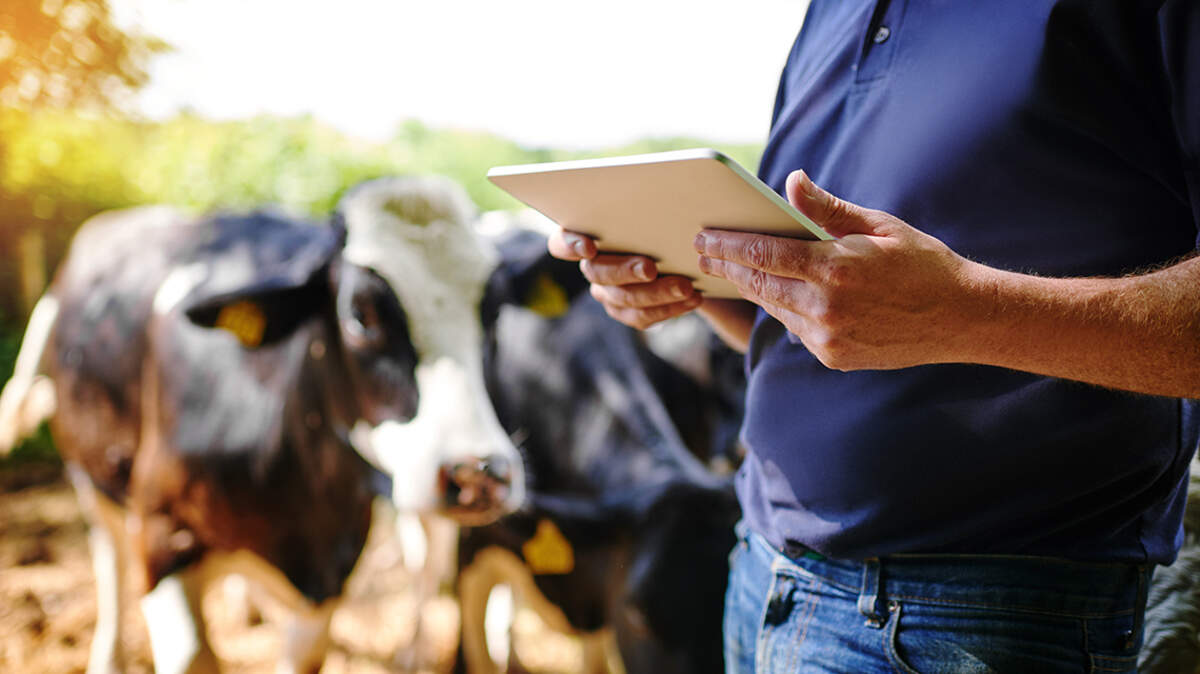
To most Americans, farmers remain unseen figures behind the food on their dinner tables — handwritten records, calloused hands and long days of physical labor.
But that image is long outdated. Today, farming is less about guesswork and more about data and precision. Just as finance, health care and sports have been transformed by advanced analytics, agriculture is undergoing its own data revolution.
The stakes are high. Farmers face mounting challenges — labor shortages, sustainability pressures, rising costs — and they need new tools to keep pace. Data-driven technologies are reshaping traditional practices into something more precise, proactive and efficient. For the industry to thrive, farms of all sizes must have access to solutions that help them stay competitive.
For example, take dairy operations. Managing a herd of cattle once meant hours of visual monitoring and note-taking, only to risk missing subtle signs of potential illness or stress. Today, smart ear tags and collars allow farmers to track reproductive cycles, rumination, nutrition and milk production in real time, often from a smartphone.
A similar transformation is happening in beef production. Feedlot operators can now monitor activity levels and other behaviors across entire herds. These insights help identify issues early, improve consistency and raise overall herd performance.
This isn’t “data farming.” It’s still just farming — but with data.
This shift also carries real animal health benefits. Instead of reacting to visible symptoms, livestock producers can now detect changes in animal behavior allowing them to identify and address potential issues earlier. Early action may help prevent minor issues from becoming major ones, potentially leading to healthier, more sustainable animals. Farmers can focus attention where it’s needed most, while allowing the rest of the herd to eat, drink and rest undisturbed.
The impact is measurable. A recent Purdue University review of more than 100 studies on precision agriculture found that nearly two-thirds of these advanced operations showed positive net returns. Meanwhile, the Journal of Dairy Science reported in 2024 that sensor-based monitoring was particularly effective at catching early signs of potential illness, helping avoid the $2.5 billion in annual losses tied to treatable livestock disease.
This future matters for all types of farms and operations — from the smallest family-run plots to larger enterprises.
All livestock producers struggle with labor and time challenges. And smaller farms, which make up more than 90% of the U.S. agricultural landscape, are particularly vulnerable to economic shifts. Many of these farmers rely on dual incomes — working at local banks, schools and hospitals to help their businesses stay afloat while supporting their communities. In fact, in 2023, less than one-quarter of farms’ household income came from farming itself.
Now, subscription-based models for farm technology are helping to level the playing field. Instead of requiring big up-front investments in infrastructure or hardware, these plans give farmers access to real-time insights at an affordable, predictable monthly cost. Tools once reserved for the largest players are now within reach for farms of virtually every size.
By matching costs to cash flow and offering plug-and-play simplicity, these services make data work for everyone. The result: a stronger, more resilient agricultural sector.
The global precision farming market is expected to more than double by 2031, reaching nearly $22 billion. That growth reflects rising demand, but only continued innovation and adoption will sustain it.
Data isn’t just an add-on. It’s becoming as fundamental to farming as seeds and soil. And for those ready to harness it, the future looks bright.