
How Kansas can lead on earlier Alzheimer’s detection and care | Opinion
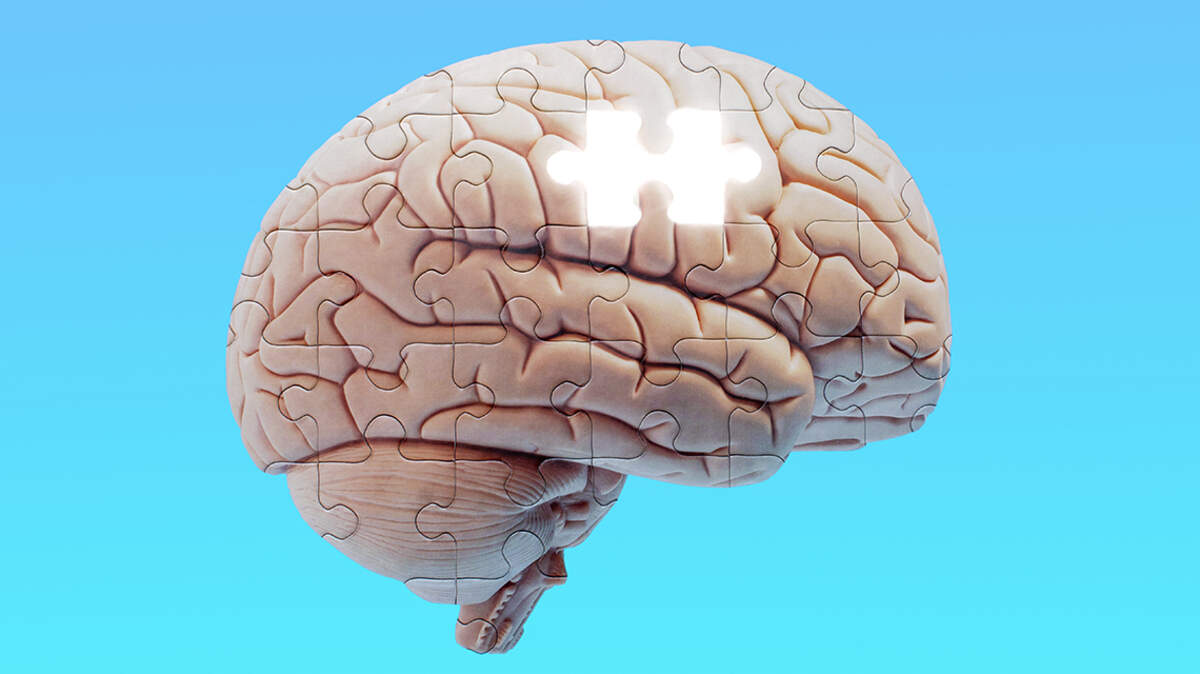
For thousands of older adults with dementia and their caregivers, Interstate 70 has become a modern-day Oregon Trail — a necessary but grueling journey to specialized care. With Food and Drug Administration approval for the first blood test for Alzheimer’s diagnosis, we stand at a new frontier in health care delivery with the potential to bring testing and care directly to people in every community throughout Kansas.
In the battle against Alzheimer’s, early detection is precious time gained. Brain changes associated with Alzheimer’s can occur 20 years before any memory loss symptoms. Experts estimate only 8% of people with mild cognitive impairment get diagnosed, and only 16% of older adults get regular cognitive screenings. We must shift from crisis-driven diagnosis — when symptoms can no longer be dismissed — to proactive detection during the earliest, most treatable stage. The newly FDA-approved blood test provides physicians with precise tools to confirm Alzheimer’s in patients with mild symptoms, enabling timely medical and lifestyle interventions when they can make the greatest impact.
The challenge of getting an Alzheimer’s diagnosis is one that many Kansas families know too well. Patients in rural areas might wait up to 18 months to see a neurologist. Brain scans, which are needed to start treatment for patients in the early stages of disease, can be costly and require traveling to specialized centers in Kansas City, Wichita or Topeka. Long waiting periods cost patients and their families precious time to plan and slow access to resources. Just as important, earlier diagnosis means opportunities for enrollment into clinical trials that can accelerate the development of new interventions and treatments.
Today, 7 million Americans live with Alzheimer’s, including about 55,000 Kansans. Cases are expected to nearly double nationwide by 2050. Our system already strains to meet their needs, with too few specialists and resources spread thinly across our state. Our health care system for Alzheimer’s care isn’t just complex — it can be financially devastating. The average patient spends $400,000 worth of unpaid caregiving and out-of-pocket expenses, equal to a lifetime of hard work and saving. More must be done to improve care and treatment pathways. Making cognitive screening more routine could transform patient outcomes while significantly reducing the long-term financial burden of Alzheimer’s care.
We have an opportunity to put local doctors and nurses that Kansans already know and trust at the center of early detection for dementia and cognitive decline. This means creating an innovative hub-and-spoke model where specialized memory care centers partner with primary care providers throughout the state. With targeted training in administering and interpreting the new FDA-approved blood tests, primary care physicians can offer accurate Alzheimer’s screening right in their offices. These tests, combined with proper clinical assessment training, can empower local health care providers to become the front line in early detection and management, while maintaining seamless connections to specialists for complex cases.
This distributed care model can be supercharged by new technologies even beyond these new blood tests: artificial intelligence-enabled cognitive screening tools, telehealth connections to specialists and digital platforms that coordinate care teams. By establishing regional memory care hubs in strategic locations across Kansas, we can ensure that no resident needs to drive more than 100 miles for specialized consultation or treatment. These hubs would serve as centers of excellence, providing training, technology and backup to the primary care “spokes” embedded in communities where patients already receive their care.
Early detection for Alzheimer’s is a breakthrough moment and a chance to demonstrate our heartland values of fairly serving all citizens. Every Kansan deserves access to innovative diagnostics regardless of where they live or their financial situation. We need to equip our community and primary health care providers to properly screen and support our families and friends.
We call upon Kansas leaders — in both Topeka and Washington, D.C. — to prioritize brain health investments now. By boldly investing in early diagnosis, community-based care networks and cutting-edge technologies, we can transform Alzheimer’s from an inevitable tragedy into a manageable condition. As we blaze this new trail for dementia care, Kansas has the opportunity to set a national standard that reflects our heartland values — demonstrating how rural America can lead the way in innovative health care delivery through collaboration across research, medicine, and government. Together, we can improve the well-being of Kansas families and create a model of accessible, high-quality care that serves every community, no matter how remote.
This story was originally published June 17, 2025 at 5:08 AM.