
Kratom fights pain, but Missouri needs to keep consumers, businesses safe | Opinion
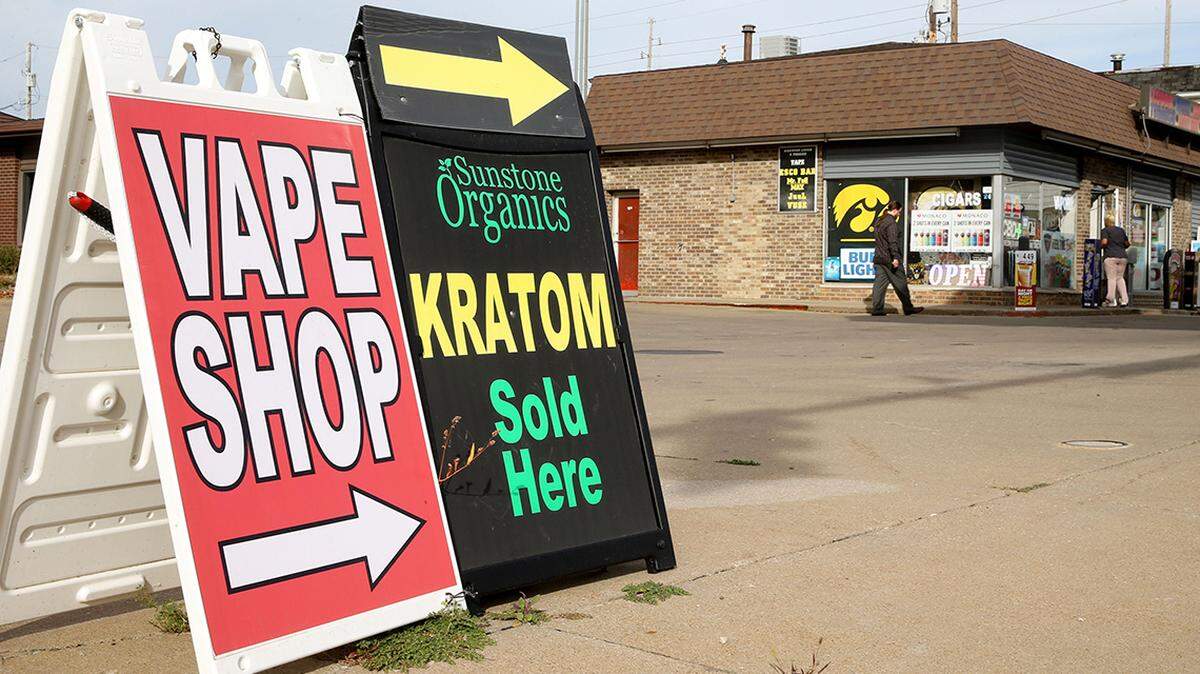
Missouri lawmakers chose not to restrict access to kratom and its derivative, 7-hydroxymitragynine or 7-OH, during this year’s legislative session. That was the right call. But the current legal vacuum leaves consumers unprotected and responsible businesses without clear standards. As legislators begin shaping the 2026 agenda, the next step is clear: Adopt science-based regulation that protects public health and supports recovery.
Kratom is a plant native to Southeast Asia that has been used for centuries to relieve pain and support recovery from substance use. Today in Missouri, it is sold in the form of capsules, powders and teas in wellness shops and smoke stores. Some people use it like coffee to improve focus or energy. Others, especially those managing chronic pain or recovering from opioid addiction, rely on it for more important reasons. Its naturally occurring compound 7-OH can be isolated and refined from the kratom plant, and it shows particular promise as a harm reduction tool.
One of those people is one 76-year-old Marine veteran from Kansas City I know who served in Vietnam. He lives with chronic pain, post-traumatic stress disorder, depression and long-term complications from cancer treatment. After struggling with conventional medications, he found relief through 7-OH.
This vet’s story reflects what we hear from customers every day. I run a business that serves people across Missouri, from cities to rural communities. Many are veterans, chronic pain patients or people in recovery. Some rely on kratom products daily to stabilize their health and avoid more dangerous substances. That is why we have adopted strict quality standards, including third-party testing for potency and purity, transparent labeling and ID checks to prevent sales to anyone under 21.
But not every seller follows these practices. And without statewide regulation, nothing requires them to. Right now, kratom and 7-OH are legal to sell to anyone, anywhere in the state, with no consistent protections in place. This creates an environment where bad actors can mislabel products and ignore safety standards, putting vulnerable people at risk.
In past years, some lawmakers have proposed bans as a solution. But we have seen what happens when gaps in oversight lead to blanket prohibition instead of thoughtful reform. The war on drugs criminalized demand without offering safer, regulated alternatives. That pushed people into underground markets and compounded the harm. We can take a better approach right here in Missouri.
This year, lawmakers came close. The Missouri House overwhelmingly passed a bipartisan kratom consumer protection bill. It would have barred sales to minors, banned adulterated products and established clear rules for labeling and safety. But the Senate failed to act before the session ended, leaving Missourians without these basic protections.
When lawmakers return next year, they should make kratom and 7-OH regulation a priority. Done right, it would preserve access for adults, ensure consistency across the market and crack down on reckless sellers. It would also level the playing field for responsible businesses that are already meeting high standards.
Lawmakers now have the chance to lead with both compassion and common sense. We do not need another moral panic. We need clear, enforceable rules that protect consumers and support recovery. Next year, must be the year we get this right.
This story was originally published June 14, 2025 at 5:02 AM.