
Kansas wind power isn’t about politics. Don’t repeal clean energy tax credits | Opinion
If you take a journey to the literal center of the United States, you’ll end up either 20 miles north of Belle Fourche, South Dakota (if you’re including Alaska and Hawaii), or near Lebanon, Kansas (if you just count the contiguous 48 states).
Either way, you might be surprised to learn, you’ll also be smack dab in the heart of America’s clean energy transition.
The fact that solar and wind power is booming in many Great Plains as well as Southern U.S. states has the potential to scramble the unhelpful political polarization we often see around clean energy, especially at the federal level.
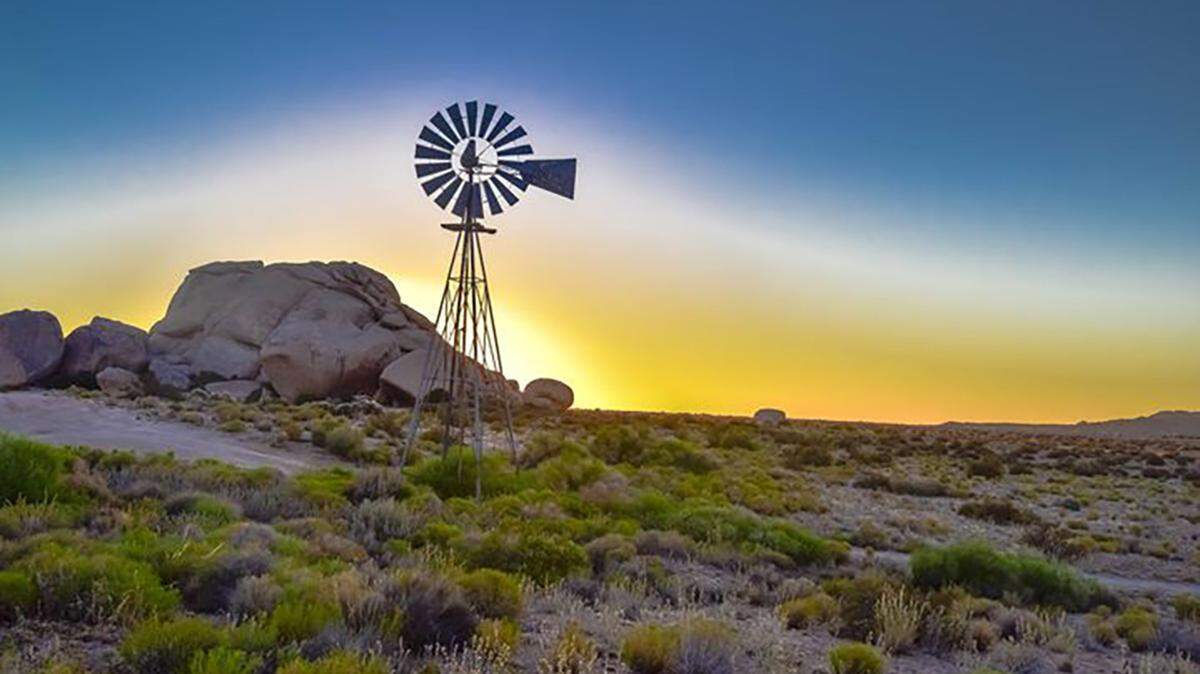
Americans in rural states are no strangers to harnessing clean energy such as wind power. For more than 100 years, farmers and ranchers have used the Aermotor Windmill to pump water. This crucial machinery has become a defining feature of the landscape.
In 2025, abundant wind power in the Great Plains states, along with solar power, provides electricity to millions of homes and businesses.
It makes sense to harness wind energy in these states, where air builds speed and rolls across the open land after funneling through mountains, canyons and passes. As the South Dakota-based poet John Banasiak wrote: “Free flight over the flatlands / the wind played the canyons of the Badlands and / the old abandoned cabins like harmonicas.”
When Environment America looked at the latest renewable energy data for all 50 states, we found that the top states for renewables, as a share of retail electricity sales, were South Dakota (92%), Iowa (83%) and Kansas (74%) — all windy places. Oklahoma joined Iowa and Kansas in the Top 5 for how much renewable energy each state harnesses. Texas was on top.
In our polarized discourse, misleading stereotypes often gain traction. Some would expect California to be the only bastion of renewable energy. Others wouldn’t bother looking to the Great Plains for renewable energy leadership. Yet, as our State of Renewables report shows, in 2025, renewable energy usage is a 50-state phenomenon. The states leading the way cut across supposed geographical, political and cultural divides.
Increasing numbers of Americans are realizing the simple, irrefutable truth that renewable energy has unique qualities that benefit everyone, no matter their political allegiance.
In the face of extreme weather, which has wreaked havoc across the nation in the last few years, clean energy improves our ability to keep ourselves and our families safe. When rooftop solar is hooked up to battery storage, it’s possible for homes and businesses to keep the lights on in those critical hours or days when the grid is down.
States producing abundant renewable energy can also help other parts of the United States in times of need. After Winter Storm Elliott caused power outages in southeastern states a few years ago, Midwestern renewables came to their aid. When the power went down in Alabama, Georgia and North Carolina, the Midwestern grid operator was able to direct energy their way in part because wind energy production remained high during the storm.
Another positive for wind and solar is they benefit everyone, even those who don’t get power from them, in the form of cleaner air. According to the American Lung Association’s 2025 State of the Air report, about 46% of Americans live in areas with unsafe levels of ozone or particulate pollution.
That would be even worse without the solar and wind power we’ve already installed in the U.S., which cut health-threatening sulfur dioxide and nitrogen oxide pollution from power plants by nearly 1 million metric tons between 2019 and 2022 — enough to prevent an estimated 1,400 premature deaths in 2022.
Given this, it’s tragic that the U.S. House of Representatives just voted to throw out tax credits that make it easier for Americans to choose to power their lives with renewable energy. As the U.S. Senate takes up the budget reconciliation bill, public input is crucial. Americans can add their voices by contacting their senators to urge them to keep the incentives, including Sen. Jerry Moran of Kansas, who has previously opposed an all-out repeal of clean energy tax credits.
I hope our national conversation about renewable energy will soon be as much about Kansas, South Dakota, Texas and Iowa as it is about California or Massachusetts. And wind turbines and solar panels will be seen as the latest products of the same smart, efficient engineering that gave us the Aermotor Windmill.
Whether it’s wind power in the Midwest or solar power in the Northeast, renewable energy is already abundant and available wherever in America you call home.