
Missouri voters must stop politicians from overturning their will | Opinion
Democracy is being denied in Missouri.
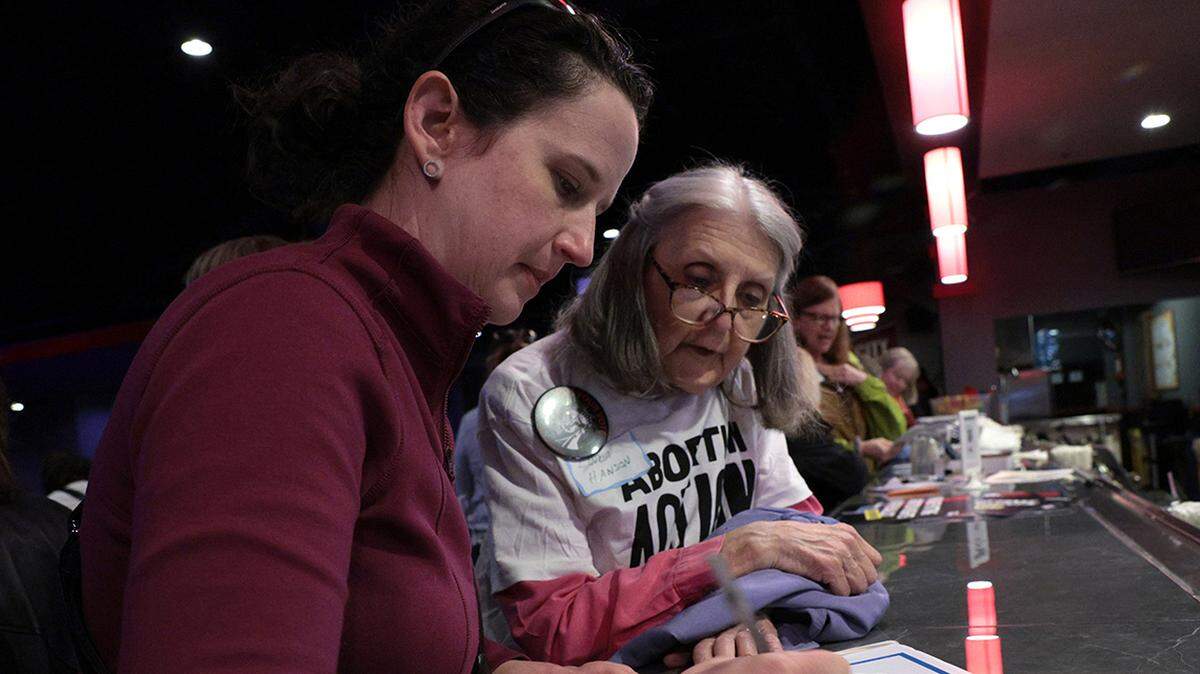
Last November, Missouri voters did exactly what politicians constantly preach: They voted. They showed up in strong numbers on Election Day and passed Amendment 3, a citizen-led ballot measure to restore abortion rights after Missouri lawmakers made their state the first to ban abortion following the Supreme Court overturning Roe v. Wade. Amendment 3 passed by 51.6%, representing the will of more than 1.5 million Missourians who believe people should have the right to make their own health care decisions.
Grassroots organizers had spent months collecting signatures, educating voters and building coalitions. They followed the constitutional process, engaged all regions of the state and left it to voters to make an informed decision. For a brief moment, it seemed like the system worked.
Fast-forward six months: Republican lawmakers have passed House Joint Resolution 73, sending a new state question back to voters in 2026, but this time to re-ban abortion while sneaking in a completely unrelated provision banning gender-affirming care for minors. This violates the principle of the single-subject rule in the Missouri Constitution, which requires ballot measures to address only one topic to prevent voter confusion and manipulation. Gender-affirming care for minors has nothing to do with abortion access except presenting an opportunity for politicians to manufacture outrage by exploiting anti-transgender sentiment to ban abortion care. It’s a cynical tactic that will force abortion rights advocates to defend both issues simultaneously, complicating their outreach, messaging and resources.
What kind of contempt for voters and democracy does it take to overturn a constitutional amendment just months after it passes? The kind fueled by religious extremism and politicians who can’t accept that their constituents disagree with them.
This is a dangerous precedent. Missouri’s constitution outlines a clear process for citizen-initiated amendments. More than 100 years ago, voters understood that sometimes they needed a way around unresponsive legislators and passed a constitutional amendment to include that process. That process isn’t broken. The only “problem” is when those in power don’t like the result.
Attack on democracy
H.J.R 73 represents something more dangerous than bad policy — it’s an attack on the fundamental principle that voters can decide their own governance. When politicians can simply “send back” constitutional amendments whenever they disagree, direct democracy becomes meaningless.
The implications extend beyond reproductive rights. Today it’s abortion access. Tomorrow it could be minimum wage increases, election reform, campaign finance limits or ending gerrymandering — pretty much any issue where a simple majority of voters conflict with the ideology of those in power. If voters can’t trust that their successful ballot initiatives will stand, why should they bother participating in the process at all?
Across red states, Republican legislators are systematically dismantling direct democracy processes whenever citizens use them for policies they oppose. In Oklahoma, for instance, lawmakers just passed S.B. 1027, making citizen-led ballot initiatives far more difficult by imposing signature caps across all 77 counties and imposing other bureaucratic barriers. In Ohio, after voters passed a constitutional amendment protecting abortion rights, Republican legislators immediately began exploring ways to undermine it. In Florida, despite voters approving a $15-per-hour minimum wage, the Republican Legislature slow-walked implementation and found workarounds.
It’s ironic how often many of these same politicians praise the will of the people when it serves their purposes. They celebrate democracy when voters elect them, but suddenly discover problems with the process when those same voters use constitutional rights to check their power. This selective embrace of democratic legitimacy reveals their true priority: not governance, but maintaining power at any cost.
Missouri voters already settled this question in November. They deserve elected officials who understand that serving constituents means respecting their decisions, not overruling them. Voters who showed up at the polls to restore reproductive rights will need to show up again, not just in 2026, but in every election going forward. Democracy is fragile, but Missouri voters have already proven they’re ready to defend it.