
Kansas City is not a hotbed of antisemitism, but here again, we mourn | Opinion
Despite areas for improvement, our city is welcoming, genuine, and diverse. We have a robust cultural arts, sports and food scene, with a generally high standard of living. Kansas City is not a hotbed of antisemitism. And yet — our Jewish community was recently united again in grief due to Jew-hatred.
We gathered at the Jewish Community Center, which has maintained armed security since a white supremacist killed three in 2014 at two Jewish sites. A vigil for Sarah Milgrim, the Jewish Kansas City-area native recently murdered in Washington, D.C., was followed by a previously planned screening of the movie “October 8th,” chronicling skyrocketing antisemitism immediately after Hamas’ Oct. 7, 2023, attacks in Israel. Given that evening’s program, police presence was tripled. We came to grieve and discuss antisemitism… yet ironically, we needed even more protection to feel safe doing so.
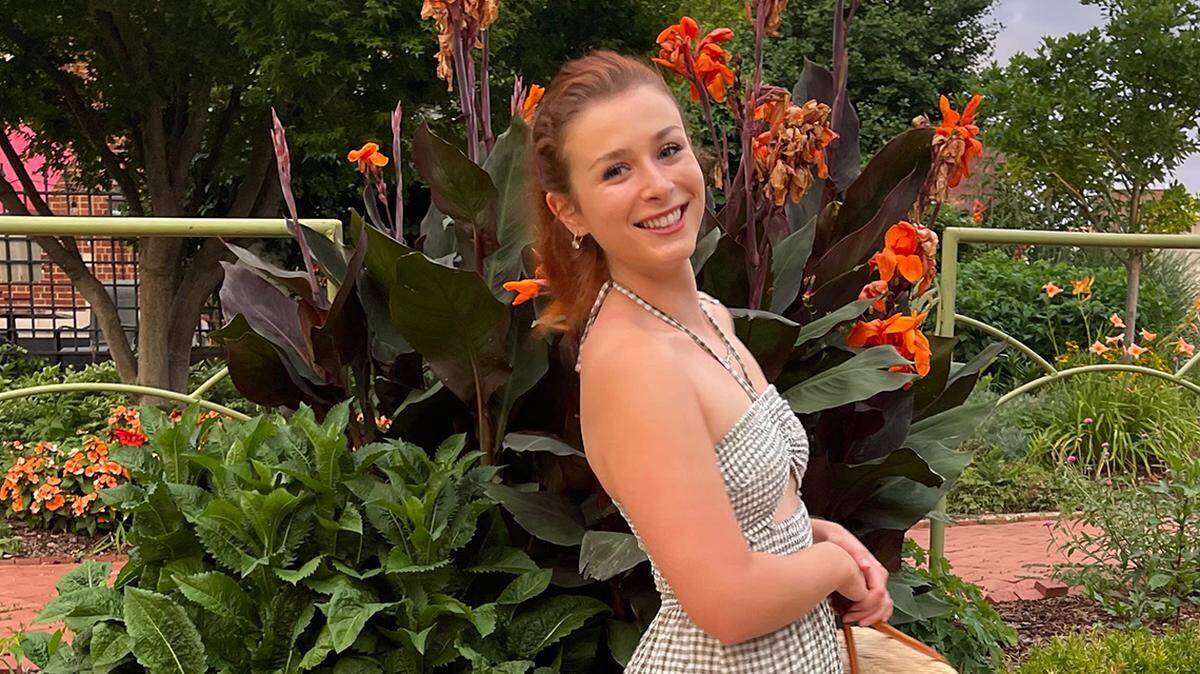
Kansas City is not a hotbed of antisemitism, yet we now reflect on a few moments in Sarah Milgrim’s short life here.
I did not personally know Sarah, but as is typical in a minority community with only about 1% of the local population, she was just one degree of separation away. We learned she was in ninth grade when the 2014 JCC attack occurred, and a senior in 2017 when swastikas were painted on her high school. It evokes such painful poignancy to hear then 18-year-old Sarah express in a local news interview, “I worry about going to my synagogue and now I have to worry about safety at my school, and that shouldn’t be a thing.” Sarah went on to passionately commit to building bridges for peaceful coexistence, only to be killed by a hate similar to what she’d seen before, this time from the left instead of the right.
With a unique form of Jewish collective consciousness shared by Jews in Kansas City, across the U.S., and around the world, we are saddened at her loss, angry at her killer and the forces inculcating his twisted ideology, and concerned about the future. Our logical minds fail to comprehend how on the night she was shot in the name of “freeing Palestine” outside the Capital Jewish Museum, Sarah was attending one of American Jewish Committee’s many bridge-building events on humanitarian diplomacy in the Middle East and North Africa.
An absolutely flummoxing subsequent Washington Post headline read: “The killings of two Israeli Embassy staffers amplify confusion felt since the Oct. 7, 2023 attacks about where Jews belong.” I will state, unequivocally, that beautiful Sarah belonged in Kansas. We belong in Boulder, Colorado; in Washington D.C.; in Israel and everywhere we may now be or choose to go.
With each incident, we feel the familiar, unwelcome blend of generational trauma because of echoes of Jewish history and a forward-looking fear about the world our kids will inherit. Jewish communities across America will add more anti-shatter window-proofing, metal detectors, and security guards — but why should we have to do any of that? While church doors remain open and welcoming on any given Sunday, must we accept that this is just how it is wherever Jews congregate? Put simply, this is not normal.
We attend workshops on conflict resolution, where we hone tools like active listening for constructive dialogue. And yet my Jewish friends commiserate about how since Oct. 7, our social media posts expressing dismay about the Israeli hostages or fears about increasing antisemitism (not on the war or politics) get a fraction of the engagement versus our posts about everyday life. Is this a benign reflection of our political environment or is it deeper? How do we practice active listening when there’s mostly just deafening silence?
New York Times columnist Bret Stephens advocates for increased Jewish pride and knowledge in response to antisemitism. Borrowing from the book, “10% Happier,” he suggests becoming “10% Jewier” in whatever ways resonate. My parallel call to fellow Kansas Citians and elsewhere is to bravely speak out 10% more about injustice to all groups, including your Jewish friends and neighbors.
Kansas City and Boulder are not hotbeds of antisemitism, so I remain hopeful. In 2017, Sarah said she hoped her school’s vandals would learn to be nicer and more tolerant people — and yet, she was murdered for being a Jewish peacemaker. She devoted her too-short life to making the world better. We all owe Sarah the same.
This story was originally published June 3, 2025 at 5:09 AM.