
Don’t let Kansas’ new Panasonic battery plant be last in the Midwest | Opinion
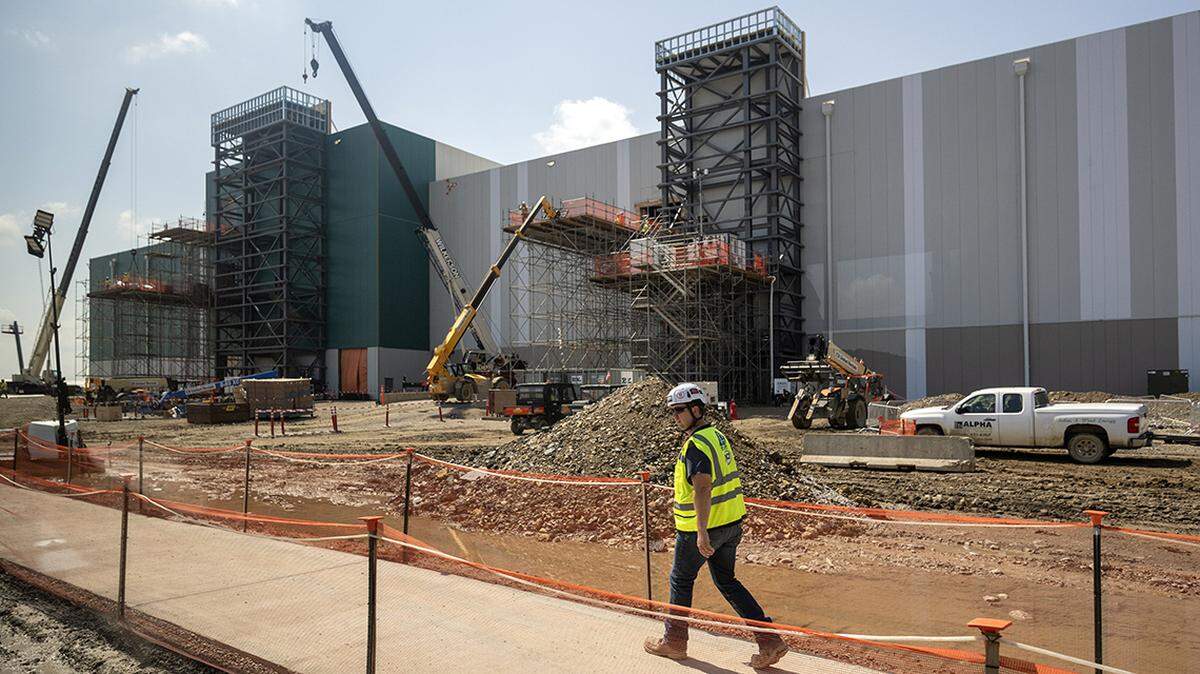
The $4 billion Panasonic battery factory in De Soto should have been a first-of-a-kind project for Kansas and the Midwest.
In addition to the estimated 4,000 new jobs coming to town, Panasonic and the state expected another 4,000 jobs to come from suppliers they anticipated would move to Kansas to provide additional goods and materials the plant would need for its operations. And in 2024, there was momentum based on growing demand for electric vehicles and low-cost renewable energy to have this kind of growth replicated in states throughout the Midwest.
Now, the incentive programs that attracted Panasonic to Kansas are jeopardized by the Trump administration’s attacks on clean energy, and the De Soto plant may be the last of its kind. Already, more than $14 billion in new energy projects (and the loss of 10,000 potential new jobs because of it) have been canceled or delayed as spending on new projects is paused.
Attracting what will be the largest battery factory in the world to the heart of the Midwest required big incentives — including more than $800 million from the state and the promise of billions in tax incentives from the federal government. These batteries are intended to support the growing domestic manufacturing of electric vehicles and expansion of low-cost renewables for utilities that are experiencing load growth for the first time in decades as a result of the AI boom.
The incentive programs were crafted to ensure that America could remain competitive in a 21st-century global economy that will increasingly be electrified and powered by clean generation from geothermal, nuclear, solar and wind energy, with batteries as the backup. And importantly, the benefits of these incentives in the form of new manufacturing plants and well-paid manufacturing jobs would be shared across America.
‘Saudi Arabia of wind energy’
The Midwest has been dubbed the Saudi Arabia of wind energy. Five Midwest states rank among the Top 10 nationwide for the percentage of total state electricity consumption that is generated by renewables. Notably, Kansas stands out at No. 3, with renewable energy producing enough energy in Kansas to meet 74% of the state’s electricity consumption. Battery plants to support the consumer demand for electric vehicles are popping up in Ohio and, of course, Kansas — and were meant to be built in more towns like De Soto.
And yet, the renewable energy and electric vehicle industries, driven in large part on two key technologies developed in the United States — photovoltaic cells and lithium-ion batteries — are facing an all-out attack by the Trump administration. These irrational headwinds from the administration and Republican-controlled state legislatures in the Midwest are likely to impede the ability of the region to benefit from the expansion of clean energy manufacturing plants and the data center growth for the artificial intelligence industry, which will locate where there is cheap land and low-cost energy.
My parents grew up in the Midwest. My grandfather was an executive at Kansas City Power & Light Co. (now Evergy) and my father grew up in Flint, Michigan, during the Depression. The opportunity and transformation that new manufacturing like the Panasonic plant represented for the Midwest region gave me hope that the government and industry were finally investing in the hometowns my parents had left behind.
Although I may have values based on my Midwest roots, I was born and raised in the Bay Area and had a front-row seat as the innovation engine that is Silicon Valley created enormous opportunities and wealth for California and the San Francisco area. The expansion of low-cost renewable energy and the manufacturing plants to support that expansion present an opportunity for the Midwest to participate in the next major innovation cycle. In addition, the rich renewable energy resources of the heartland, along with available land, has made the region an epicenter of the data center build-out that will power the AI revolution.
For the United States to compete in a global market for energy supplies, the global transition to electric vehicles and the new world of AI, we need policies that support innovation and where market economics and a level playing field determine the best solutions. Policies that impede the expansion of renewable energy projects and defund research to further drive down the cost of these clean energy resources will not create economic development in the Midwest, and will hinder U.S. competitiveness in the markets that will drive the global economy throughout the 21st century.
Midwesterners should unite in support of the policies that are now under threat. They can build a future of economic abundance and prosperity for the region that our parents and grandparents would be proud of.