
Kansas City’s great theater artists need to think bigger - together | Opinion
AI-generated summary reviewed by our newsroom.
- Kansas City theater leaders risk decline by undervaluing the local acting talent pool.
- Cuts to arts funding and a DEI backlash threaten bold, community-centered work.
- Collective strategy, infrastructure and civic investment are key to artistic revival.
At a recent panel of theater leaders here in Kansas City, someone said the quiet part out loud. Listing the economic considerations of theater programming, a panelist said, almost in passing, that “hiring local actors is a risk.”
She clarified that in the eyes of some leadership, local actors don’t always have access to the infrastructure needed to succeed in certain roles. That explanation opens a much-needed discussion, but also reveals a scarcity mindset that continues to hold Kansas City theater back. Having lived and worked in nearly every major theater market in the U.S., I can confidently say few actors work harder, collaborate more generously or hustle with more stamina than those in Kansas City. While there is always room for new blood in our ecosystem, we ignore local talent in favor of H-list TV actors with no KC connection at our own peril. If there is any gap in access, it’s not because of a lack of talent. It’s because of a lack of infrastructure — and that is a failure of investment, not ability.
Since I moved to Kansas City to develop new plays with local talent, I’ve seen firsthand how deep the bench is. I’ve seen production managers jump onstage and dazzle. I’ve seen actors rehearse late into the night after long shifts at their day jobs. I’ve seen playwrights stage new work in libraries and community centers, driven by pure grit and love of story. Calling this talent pool a “risk” misses the point entirely. The real risk? Ignoring them.
Since I published my last Star guest commentary on this topic, that risk has only escalated.
Arts funding is facing devastating cuts. The National Endowment for the Arts has been slashed. Grants are drying up. Any project with even a hint of DEI (diversity, equity and inclusion) language is being flagged or quietly dropped. The new political austerity has created a chilling effect — on bold work, on community-centered stories and on emerging artists.
The solution? We get scrappy and get together. We adapt like Kansas Citians always have. We share spaces. We share costumes. We share audiences. We stop thinking in silos — “This is my subscriber base, my donor, my audience” — and start seeing ourselves as one ecosystem. If one company rises, we all rise. If one folds, the ripple hits us all. In this time of scarcity, cross-pollination is not a luxury. It’s a survival strategy.
Challenge, provoke audiences
We also stop letting fear dictate programming. When discussing risks on this panel, theater leaders spoke about planning seasons around making “them” happy. I want to ask: Who is them? Is it a donor whose politics get squeamish? A subscriber base that hasn’t been challenged in a while? A corporate sponsor who may or may not ever show up to the theater? Let’s name them, and trust that Kansas City audiences have more skin in the game for local talent. They want to see their friends and neighbors succeed. And they want to be challenged, provoked, asked to look at things in new ways in the theater. In our politically fragmented national landscape, the theater may be the last bastion to provoke, reflect on uncomfortable truths and delicious contradictions.
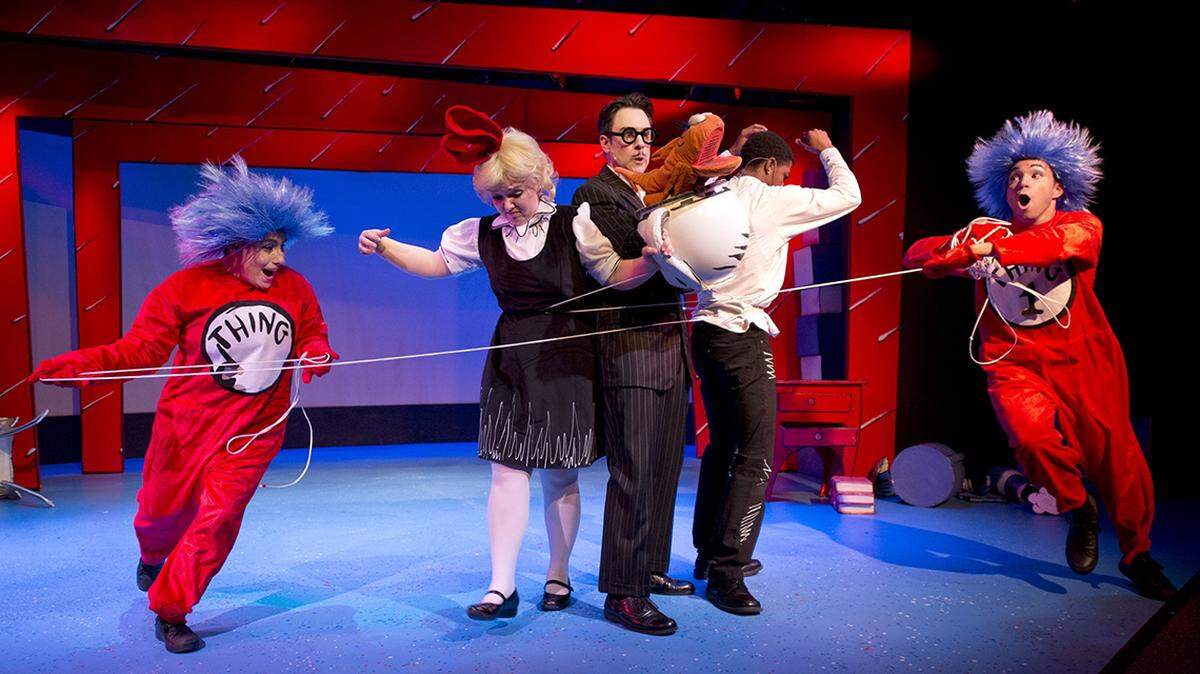
There is plenty to be hopeful about. The Coterie Theatre is nabbing exciting opportunities to put Kansas City on a national stage, collaborating with Supreme Court justices and Disney properties. Kansas City Public Theatre continues to center local stories and artists with integrity and ambition. Theaters outside the Actors’ Equity Association union are leading the way with a grassroots model, providing community programming that supports audience appetites and artists’ long-term careers at a fraction of the cost. New leadership is emerging across our major institutions — leaders who are visible, who are attending local productions, who are getting to know the ecosystem.
But they can’t do it alone. We need a collective strategy. We need buy-in from funders, city government, schools and audiences who understand that this is more than entertainment. We also need to think like a business. What are we building here in Kansas City that can be exported elsewhere? Kansas City ought to continue to look for opportunities for co-productions with other regional theaters and home-grown new works with serious national growth potential.
More than gig workers
“Honesty is the first chapter in the book of wisdom” are words to live by, but many artists understandably can’t acknowledge these challenges for fear of missing a paid opportunity, or do so by calling out rather than inviting in. But candid, constructive discussion of the economic landscape for local creatives is not disloyalty. If we want to be a regional hub for new work on par with Louisville, Minneapolis or even Chicago — and I believe we can — then we must be brave enough to have these discussions. We must value our artists not as gig workers, but as civic assets to be invested in.
Of course, it’s much easier to identify a problem in an op-ed than to deliver solutions. So let’s have a conversation. We are overdue for a citywide town hall — artists, leaders, administrators, funders, educators and audiences, all at one table. We need a public, solutions-focused conversation about how to build a sustainable creative economy right here in Kansas City. Let’s aim for this fall, centrally located, open to all. If our institutions won’t lead, the community will. I’ll help organize. Who’s in?
Let’s not wait for the Broadway tour to trickle down. Let’s build something that starts here and radiates outward. Kansas City doesn’t need to import its vision. We have it. What we need is the courage, resources and resolve to invest in ourselves. It will be worth it.
Ryan Bernsten received his master’s degree in dramatic writing from Oxford University and is the author of “50 States of Mind: A Journey to Rediscover American Democracy.” He is a member of the Board of Directors for American Public Square, which builds community through civil discourse, engagement and education.