
1 state, 2 crises: Why Missouri’s teens and older adults need 988 now | Opinion
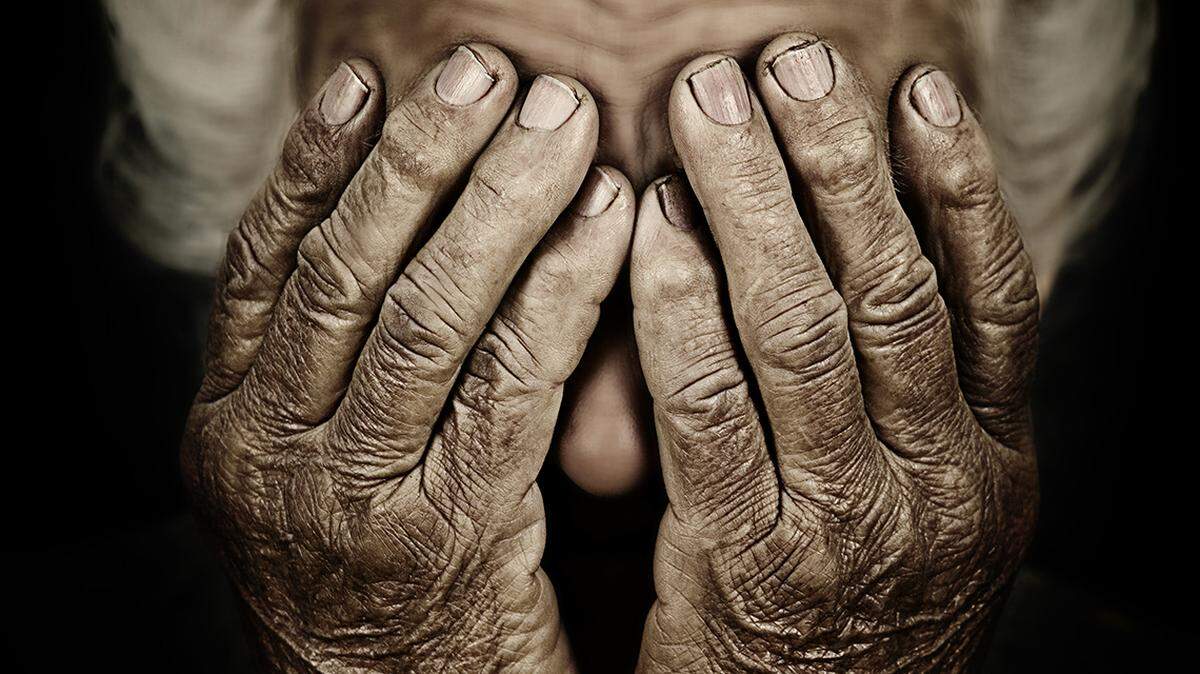
Every day at the Missouri 988 Suicide & Crisis Lifeline, our crisis counselors answer calls from opposite ends of life. A teenager caught in the uncertainty of becoming older. An older adult quietly grieving the loss of their daily purpose, wondering if anyone would notice if they were gone. One just beginning to define who they are. The other questioning who they’ve become.
At first glance, Missouri’s youngest and oldest residents seem to have little in common — divided by decades, technology and culture. But during Mental Health Awareness Month this May, we must confront a deeper truth: Both age groups are connected by an invisible thread of uncertainty, which is too often treated by silence.
In Missouri, youth suicide rates more than doubled between 2009 and 2018 — with a staggering 39% increase in just one year. These numbers are more than data points: They reveal a deepening mental health crisis among our teens. Today’s young people are growing up in an always-on world, surrounded by constant communication, yet often report feeling profoundly alone. Many quietly battle anxiety, identity challenges and emotional exhaustion stemming from the pressures of social media, lifestyle trends or simply finding themselves.
At the other end of the spectrum, older adults are facing a quieter, but equally devastating crisis. According to the National Institute on Aging, 1 in 4 seniors is socially isolated, often following retirement, the loss of a partner or declining health. This social isolation commonly turns to loneliness, causing an increased risk for depression. In 2022, Missouri adults age 85 and older had the highest suicide rate of any age group in the state — a sobering reminder that depression later in life is not just sadness or part of aging, but a serious and treatable condition that too often goes unnoticed.
At the nonprofit 988 Suicide & Crisis Lifeline, these aren’t just statistics — they’re people. Some are teenagers hiding behind closed doors, overwhelmed by the weight of growing up in a world that doesn’t slow down. Others are aging adults sitting alone in silent homes, wondering where all the time went. They may speak differently, but their pain is often a longing to be heard, to be reminded they matter.
That’s why 988 exists. As a free, 24/7, confidential lifeline, we connect people in crisis with trained counselors who are ready to listen and help, regardless of age. It’s for your child, your parent, your neighbor, your friend, you. It’s for anyone facing more than they can carry alone.
But for 988 truly to save lives, people need to know it’s there and they need to believe their life is worth saving. And this Mental Health Awareness Month, I’m asking you to help us connect the dots. Talk about 988. Share the number. Normalize asking for help. And remember that pain doesn’t discriminate by age. But neither does hope and support.
If you or someone you know is struggling, dial, text 988, or chat at 988lifeline.org