Gas explosion that killed Missouri 5-year-old was preventable | Opinion
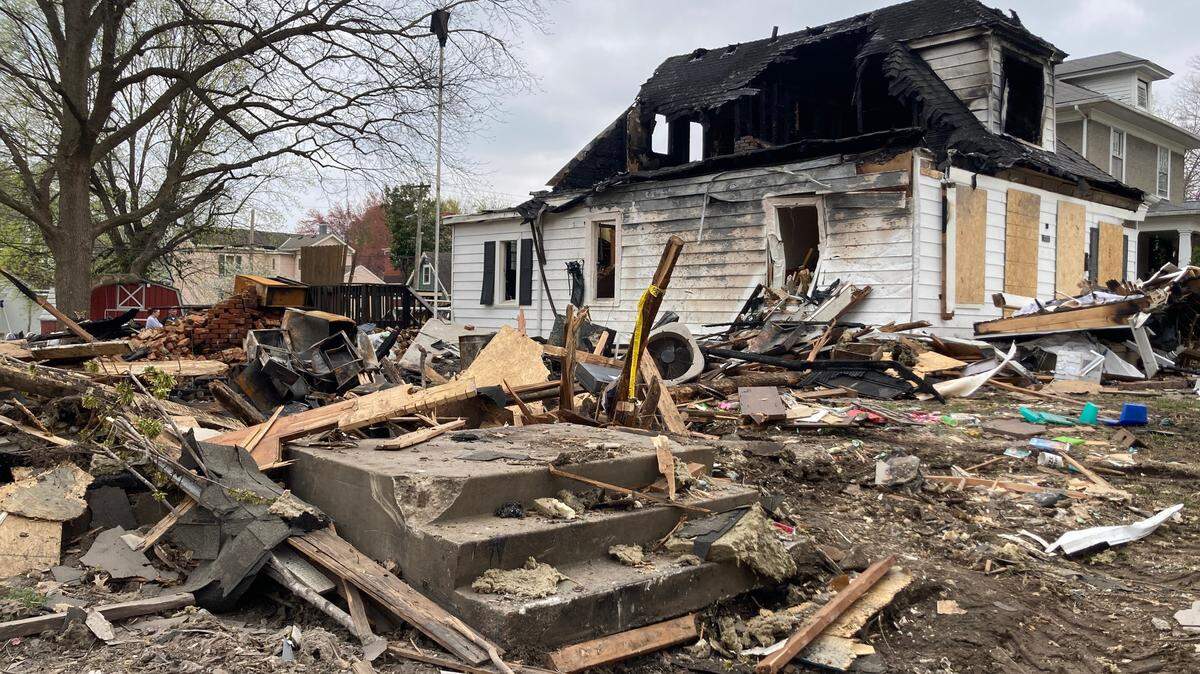
The gas explosion that leveled a home in Lexington, Missouri, last month, taking the life of 5-year-old Alistair Lamb and shaking an entire community, was heartbreaking. It was a stark reminder of the care that must be taken to protect communities and the buried infrastructure that Missouri, and the nation, relies on every day.
It was also preventable.
There are more than 20 million miles of buried utilities running underground across America, including electric, water, internet and natural gas lines. More than 3,600 times each year in Missouri — 10 times a day, on average — those utility lines are damaged by digging.
Much of this can be avoided by simply contacting 811, the service designed to notify utility companies about upcoming excavation work. But calling 811 is just the first step — not the only step. And as with every incident, it was a series of mistakes that led to tragedy in Lexington.
The initial NTSB report released this week highlighted the critical need to follow industry best practices. While Liberty Utilities responded to the 811 request by marking some utilities, its crews did not locate or mark the uncapped gas main line. This line was then struck by the excavator. Disaster then ensued.
Best practices work only when everyone — from utility facility owners to locators to excavators — does their part. That doesn’t appear to have happened in Lexington.
Contrary to media reports that “it’s not that common,” utility line locating issues are among the top three reasons for damage to buried utility lines, according to Common Ground Alliance data.
The process of locating and marking these lines works only if utilities have accurate, up-to-date maps of where their lines actually are — and in too many places, they don’t.
Older “legacy” systems are especially vulnerable. Many communities — like Lexington — have buried lines installed decades ago with limited record-keeping. But 811 centers rely on maps to dispatch utility crews. Locators rely on maps to mark and paint the ground. And excavators rely on these marks and paint to avoid hitting buried utilities.
This process has to work for everyone, or it will work for no one. It’s critical that utility companies have accurate, updated maps of all their assets — at any cost necessary.
What happened in Lexington can’t be changed. But we can change practices and policies to prevent it from happening again. And tragedy doesn’t wait for us to get things right.
Utility owners, locators and excavators all have a responsibility to follow best practices — and to speak up when the system is falling short. In particular, utilities have a responsibility to work towards healing their maps, especially with older systems.
And state and local governments have a responsibility to enforce existing digging laws, or enhance those laws to become effective.
Just one day after the Lexington explosion, the Missouri Senate voted to adopt the Common Ground Alliance’s nationally recognized damage prevention best practices. It was an important step in the wake of disaster.
But policy change must be matched with practice. Every state, including Missouri, must ensure that best practices aren’t just on the books — they’re being followed on every jobsite, every time.
The loss of Alistair in Lexington should never have happened. The injuries suffered by two Spire workers in a gas line explosion in Kansas City should never have happened either.
We owe it to them to take this moment seriously. That means improving utility maps. It means holding every stakeholder accountable. And it means committing to the full damage prevention process, from that first 811 call to the final backfill.
We have the tools. We have the knowledge. And we have a moral obligation to act. Will Missouri public and private sector leaders take action, or wait for the next tragedy to strike?