
My vision to rebuild a thriving East Side in Kansas City | Opinion
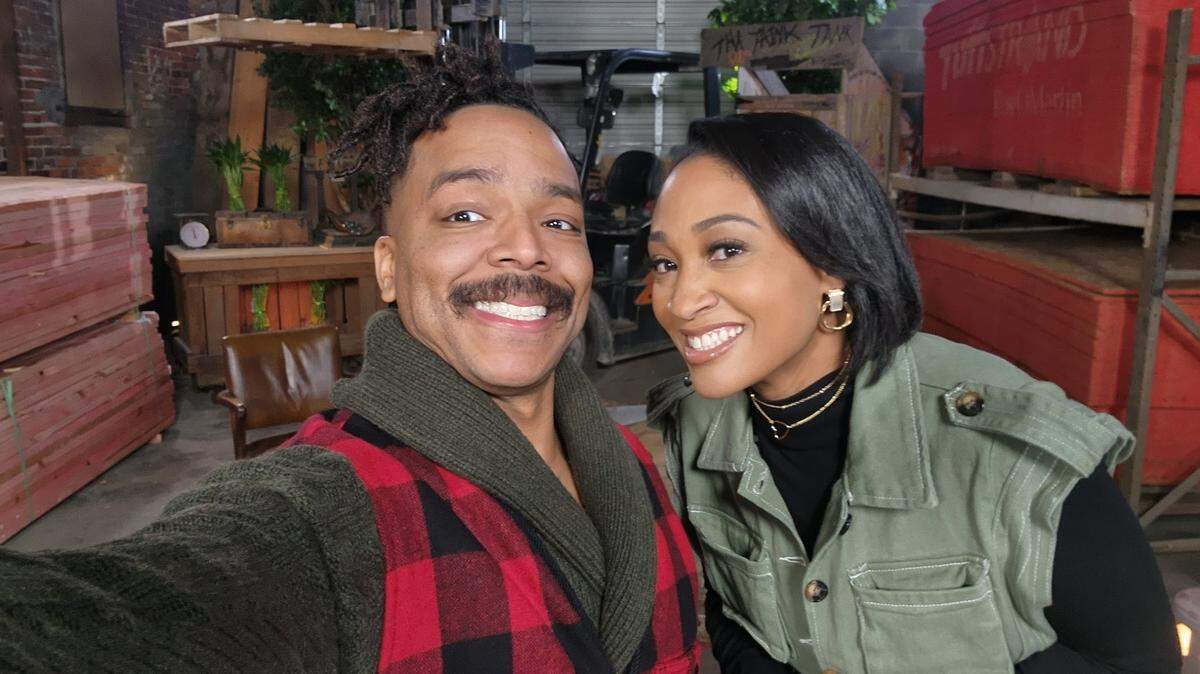
I have only one vision that has never changed, but has only evolved and strengthened: Rebuild my Kansas City neighborhood so my children grow up in a thriving, culturally vibrant East Side.
Last month, Kansas City Star reporter Mike Hendricks published a story airing the voices of critics of my business and its aim to build new houses on the East Side. This is my response to clarify facts, explain delays, address deeper issues and present a scalable model in which I believe $50 million could build homes and create economies that would generate billions back to Kansas City’s urban core.
Deposits were collected for predevelopment design, and professionals were compensated for their services. All agreements focused solely on predevelopment tasks to secure construction financing — no land transfers or home construction contracts were signed. U.S. Department of Housing and Urban Development dollars funded environmental remediation of sites where demolished homes were buried in basements and covered with soil.
The Star’s story was published the same morning of our presentation to the Central City Economic Development Sales Tax Board, where we requested $3 million to match a $7.5 million Small Business Administration letter of intent from a local lender to build a housing prefab facility at our lumberyard. This would scale housing production to 1,000 homes yearly in the urban core and create 500 new careers for the 18th Street and Prospect Avenue area, generating sales tax revenue to reimburse our request within five years. We were not recommended for the match, but maintain the SBA match letter of intent.
My family has roots near Kansas City’s 18th & Vine Jazz District, once home to 41,000 residents, 15,000 homes and 600 businesses. Over the past 75 years, 38,000 neighbors have been displaced and 12,000 homes demolished, leaving insufficient population to support local businesses.
I cannot reconcile my vision with what I see today: My neighborhood is worse than before I was born, with only four homes built yearly in the 3rd District until 2020, according to my calculations using city data.
Too many steps to build
The Mid America Regional Council reports Kansas City was short 24,000 homes last year, and that there are 64,000 cost-burdened families, at all incomes, paying 30% to 60% of their income on housing.
In 2024, Jackson County issued only 60 permits to build homes. We’ve produced no more than 180 homes yearly in the urban core since 2019, by my count.
And building one custom home requires 120 discrete steps from acquisition to move-in. So, 30 urban core builders times 120 steps equals 3,600 fragmented steps — and that also equals a housing supply crisis
After 12 years of learning and setbacks, we’ve realized new patches on old systems guarantee burnout.
Kansas City’s wealth assumes tools successful in stable markets should work everywhere, overlooking the integrated ecosystem that propels ideas from concept to completion in those markets — a raging river of opportunity. Place the best captain and boat in a dried-up riverbed, and you’ll still be stuck.
Without a complete ecosystem, wealth labels the East Side “too risky,” reducing investments to short-term grants or insufficient loans that generate hope but can’t reach completion. Burnout is inevitable when paddling on dry ground behind a dam of withheld resources.
My wife Ebony and I realized our community lacked language to articulate why every attempt fell short. We don’t need projects. We need systems. We now address the root cause directly — what we call the Economy Chasm: a permanent economic separation caused by absent systems needed to coordinate, scale and sustain growth.
For three months in 2017, we transparently communicated the risks to 14 families who invested a total $16,000 toward $35,000 of predesign and site analysis. Banks wouldn’t fund the construction because of environmental risks, poor infrastructure and a lack of comps. Despite lowering our margins and simplifying the designs, we couldn’t close the gap, proving traditional methods couldn’t overcome systemic neglect.
Families understood risks
Ten families invested a total $73,000 toward $133,000 in engineering, surveys and construction drawings. We acquired more land and secured $980,000 in HUD commitments. During the COVID-19 pandemic, costs surged 400%, doubling budgets beyond affordable limits. HUD funds were reimbursable only after expenses, and finding lenders willing to address environmental contamination without city backing proved nearly impossible.
During our project, the Neighborhood Housing Services Department underwent restructuring with turnover of four department heads and nine project managers. Despite our persistent efforts through 1,200-plus communications, many went unanswered for weeks. We accessed just $276,000 of the $980,000, and completed remediation on only 10 lots.
Families understood that agreements and deposits funded immediate predevelopment services, were not held in escrow, and did not constitute contracts to build or transfer land. Lenders required specific terms for family investments to be credited in final mortgages if financing was secured.
We’ve always intended to issue refunds and will treat these investments as predevelopment loans, to be reimbursed alongside other patient capital lenders during our capital raise. One family pursued legal action resulting in a $2,000 default judgment because of personal travel delays. Many families remain among our strongest supporters.
Plans for the future
We need a new system. Borrowing good frameworks. Discarding the bad.
The good: Historically, Kansas City built homes that were purchased with 77,000 government-backed mortgage loans from 1934 to 1962, generating $39 billion in housing production and $1.26 trillion in economic impact. The bad: Less than 1% of that benefited Black families.
We’ve launched a fund to raise $50 million to create Scale-Free Housing, a complete cooperative system integrating land, capital, talent, professional enterprise and civic collaboration. We estimate each climate-resilient home would create 93 local opportunities and four permanent jobs.
We would begin with 500 homes, then scale to serve 16,500 workforce families (earning 60% to 120% of the area median income) who qualify for mortgages but lack options. This would yield $8.4 billion in economic impact and nearly 1 million job opportunities within 10 minutes of downtown
If you share the vision of meaningful, lasting change and believe the East Side deserves genuine economic growth, join us to build where others don’t and together create a new river of opportunity to rebuild Kansas City.
This story was originally published May 27, 2025 at 5:05 AM.