
EPA’s environmental work drives Kansas City-area ‘comebacks’ | Opinion
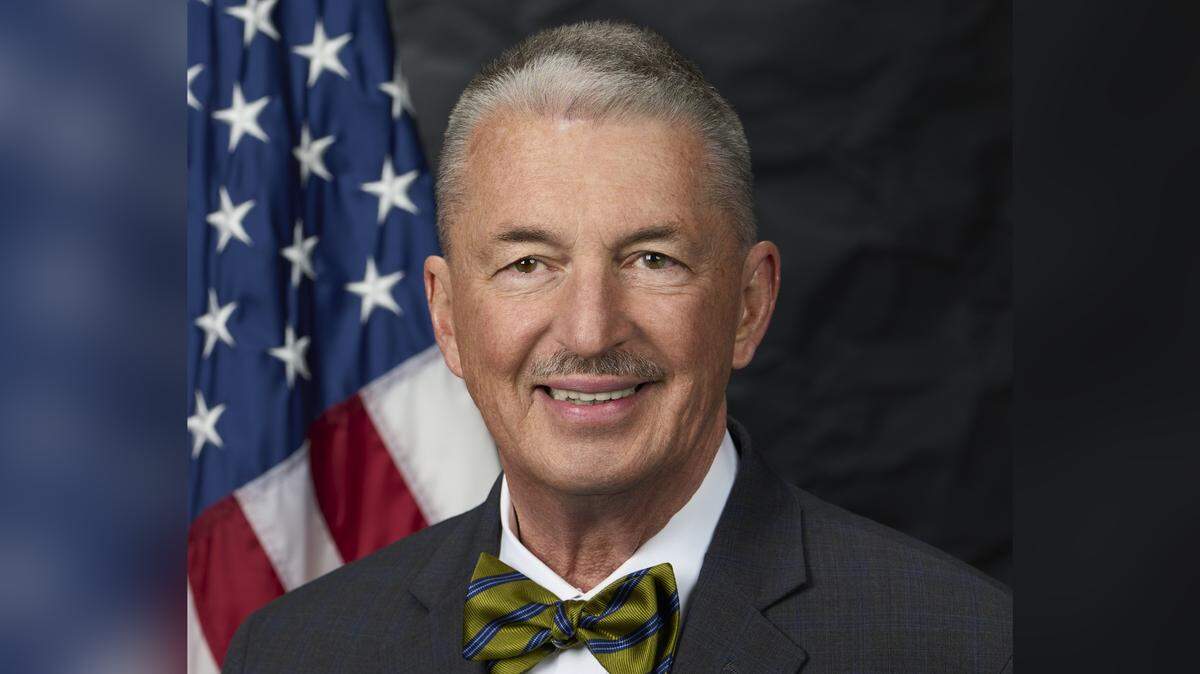
For the U.S. Environmental Protection Agency’s Heartland office, Earth Day is a time to reflect on the many ways EPA’s mission is tied to our region and local communities. As the new EPA Region 7 administrator appointed by President Donald Trump, I invite you to join me in celebrating all the wins that EPA’s work affords our area, as we fulfill our duty to safeguard human health and the environment while advancing EPA Administrator Lee Zeldin’s Powering the Great American Comeback initiative.
Locally, environmental cleanups, permitting and public-private partnerships have cleared the way for economic development and revitalization. Caring for our environment often goes hand in hand with driving economic progress, as cleanups propel redevelopment while creating safer spaces to live, work, and play.
Our brownfields program has always focused on potentially contaminated areas in need of a second chance, where a comeback seems unlikely or faces steep financial obstacles. Many of Kansas City’s most celebrated recent redevelopment projects are examples of brownfields work that kick-started progress and led to both public and private investment. The Berkley Riverfront Park redevelopment site, Zhou B Art Center, Faxon School Apartments, former Paseo YMCA,and Mattie Rhodes Center are all former brownfields.
For years, the EPA has worked cooperatively with the U.S. Army, state of Kansas and private developers to oversee the cleanup activities at the Sunflower Army Ammunition Plant in De Soto. In 2022, we approved the permit modification that cleared the way for redevelopment of this site into the Panasonic facility, a comeback that is heralded as the largest economic development project in the state’s history.
Zeldin has made it clear that the EPA will be focusing its dollars directly toward cleaning up communities. Coupled with the administrator’s new initiative, the EPA is setting a course for permitting reform, partnership and updated regulations that create clarity and cost savings for Americans.
We’ll be refocusing on our region’s highest priority Superfund sites, and we’ll achieve this by being responsible stewards of funds, putting dollars directly into affected communities and assigning staff to backlogged work. These efforts will increase the resources and efficiency with which we clean up these sites and protect the health of nearby community members, helping our region come back from environmental emergencies and contamination faster.
Here in the Heartland, we’ll be implementing the administrator’s deregulatory agenda while never losing sight of our mission to ensure clean air, water and land for all Americans. This agenda will provide clarity to state environmental partners, the public and especially businesses that need clear regulations grounded in both science and common sense.
Kansas City’s history is rooted in agriculture markets and shipping, and our region continues to be a hub for agribusiness and agriculture innovation and production. As the EPA’s agriculture region, we’re uniquely positioned to partner with our states, farmers, and businesses to gather input as our agency and the U.S. Army Corps of Engineers review the definition of Waters of the United States, with the aim of reducing permitting costs while maintaining our nation’s water protections. These actions will help this regulation come back into line with recent court decisions and lower the cost of doing business.
About 10 miles northeast of downtown Kansas City lies one of Ford Motor Company’s longest running automotive plants. According to Ford, its Kansas City Assembly Plant employs more than 9,000 workers. The EPA aims to streamline regulations to bolster the comeback of the American auto industry and the communities such as ours that it supports.
Earth Day and every day, the EPA is proud to advance the core mission of the agency while simultaneously powering the Great American Comeback.