
Missouri gives dangerous kratom a green light, but cracks down on harmless hemp | Opinion
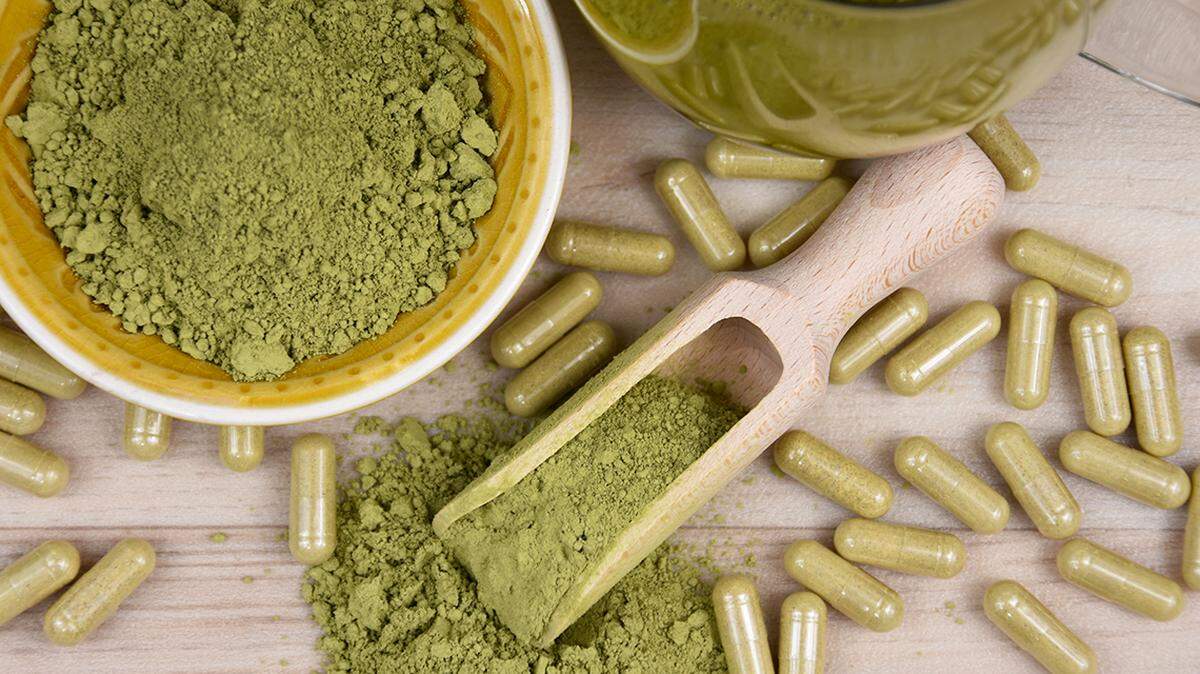
On April 2, by a staggering vote of 148-2, the Missouri House of Representatives delivered what can only be described as a cyanide pill — no silver lining in this nightmare. Missourians were handed House Bill 1037, a piece of legislation that has kratom — a drug the Food and Drug Administration recognizes as having a high potential for addiction and abuse — regulated less than candy.
Kratom, a tropical Southeast Asian tree marketed as an opioid alternative, produces stimulant effects at low doses and sedative effects at high doses, and can cause psychotic symptoms as well as psychological and physiological dependence. The Centers for Disease Control and Prevention credit kratom with being implicated in at least 846 fatal overdose cases in 2022 alone. Public health was marched to the firing squad as 148 state representatives voted yes, delivering kratom to Missourians without meaningful safeguards.
Despite this grim data, H.B. 1037 proposes no licensing, no meaningful oversight and no sales tax specifically earmarked for public health and safety. This is particularly alarming given that even kratom’s proponents concede that poorly manufactured and contaminated products have caused many of the reported adverse health outcomes. These risks are precisely what the FDA has warned about, yet Missouri’s legislature moved forward without a single safeguard. Safety and accountability are two things missing from Missouri’s approach, which is essentially “Buyer beware!” scribbled in crayon on the Capitol steps.
Meanwhile, commissars in shiny suits launched a state-sponsored moral panic, dragging hemp — a plant widely long considered harmless — into a bureaucratic meat grinder with H.B. 593 and S.B. 54 imposing rules on hemp strict enough to make bootleggers nostalgic for Prohibition: obsessive licensing, random inspections and testing that would shame NASA.
Bipartisan unity accelerates drug crisis
House Speaker Jonathan Patterson, a surgeon by training, had no issue green-lighting H.B. 1037. Not a single medical professional in the House voted against unleashing kratom. Only two dissenters, state Reps. Danny Busick and Don Mayhew, stood against it. State Rep. Ashley Aune, a Democrat and the minority floor leader, proudly led her comrades in a glorious march of bipartisan unity to accelerate the drug crisis. It’s not red or blue in the Missouri Capitol anymore — it’s green. If the coffers overflow, who cares how many coffins follow?
State Rep. Chad Perkins, proudly marching under the hammer and sickle of regulatory tyranny, sponsored H.B. 593 with the zeal of a Soviet commissar hell-bent on crushing hemp. Then, with the casual hypocrisy of a party official lighting a cigar with a ration card, Perkins turned around and cast his vote for H.B. 1037, freeing kratom — heroin’s tropical cousin — for sale in delicatessens, grocery stores and even nursing homes across Missouri. Oversight? Nyet. Taxation to fund addiction response? Don’t be silly, comrade. Just an age check and a label if you’re lucky.
Consider how hemp, a plant that has almost never caused a recorded fatality, gets treated like nuclear waste, while kratom — directly linked to recent deaths — strolls onto retail shelves with an age limit and a wink-wink, nudge-nudge promise to list ingredients. What twisted logic (or well-paid lobbyist) turned the Missouri House into a back-alley drug deal, trading public health for political profit?
Missouri’s regulatory split personality is even more striking when considering kratom’s status internationally. Kratom is native to Southeast Asia — and even countries it calls home, such as Thailand and Malaysia, have banned it. They’ve lived with the fallout: addiction, seizures, liver failure and death.
Weak testimony in opposition
If you’re still scratching your head, wondering how this could possibly make sense, you’re not alone. Craig Katz of CBD Kratom and Eapen Thampy from American Shaman, both with hemp interests, offered enthusiastic support for H.B. 1037. Their testimony advocated for a minimal regulatory framework, market freedoms and consumer choice — arguments that legislators quickly embraced. There was no formal opposition to the bill. Only Timothy Faber from the Missouri Baptist Convention testified, and even that was just “for information.” No health agencies. No poison control. Just the Baptist.
Veterans such as Daniel A. Jones (aka Waxy Brown) argues: “The opioid epidemic isn’t over — it’s just been rebranded. It hasn’t been eradicated, defeated or even slowed. Today, opioids and their chemical cousins hide behind slick packaging and deceptive branding in unregulated products like 7-OH. As a veteran, I refuse to stand by while my brothers and sisters are misled into addiction all over again. This isn’t harm reduction — it’s a bait and switch. And it’s shameful.”
The inherent inconsistency of this regulatory approach is striking. One must wonder what influences or interests could be driving such contradictory policies. Is it the powerful marijuana lobby, eager to dominate the cannabinoid market cutting deals with those hemp and kratom companies? Or is it simply a case of misinformation and misplaced priorities among Missouri legislators? They wouldn’t knowingly pour gasoline on the opioid fire, would they?
Regardless of the underlying reasons, one thing is abundantly clear: The Missouri General Assembly’s actions have real-world consequences that include death. So step right up, taxpayers. Hold your wallets close and your children closer.
This bait and switch isn’t just a spectacle. It’s a horror show about pouring gasoline on the drug abuse fire they swore to extinguish.
This story was originally published April 18, 2025 at 5:09 AM.