
Kansas bill just another attempt to strip away abortion rights, despite voters’ will | Opinion
When I became a doctor, I prepared myself to spend my days caring for people at their best, worst and most mundane moments. As a practicing OB-GYN, I’ve spent my career caring for women at every stage of life. My patients remind me every day of the complexity of women’s reproductive health care — from childbirth to cancer diagnoses, and everything in between. While I bring my medical expertise to the exam room, I always strive to bring empathy and humanity as well.
Women’s reproductive health care is essential, and it goes far beyond pregnancy. I’ve dedicated myself to the care of my patients. I take those relationships very seriously. It is critical that my colleagues and I approach all patients with objectivity, respect for their autonomy and regard for the sensitive nature of discussions held in confidence. These principles echo the foundations of medical ethics which we learn early in our training. Unfortunately, Republican politicians have become obsessed with interfering in these relationships and in my patients’ private medical decisions.
My colleagues and I care for and support pregnant Kansans with ever-changing and complex medical situations on a daily basis. Obstetrical care isn’t just about managing a medical condition. It’s about walking alongside our patients through one of the most personal experiences of their lives. As physicians, we routinely care for our patients and their families in their most vulnerable moments. These moments are often joyful, but they can also be scary or even devastating.
While many people assume a positive pregnancy test leads to a healthy baby, the reality is far more complicated. Early pregnancy loss is common, occurring in 10% of all clinically recognized pregnancies. As pregnancy progresses, many changes in the human body increase the risks for the patient. Complications may occur at a moment’s notice, or they may emerge slowly through tests and imaging. No two pregnancies — and no two patients — are alike.
So trust me, and trust experts like me, when we say that proposals such as Kansas House Bill 2062, or other laws that seek to undercut reproductive rights or ban abortion, harm women.
It is imperative that we support patients as much as we can before, during and after pregnancy and childbirth. But bills proposed or passed by Republicans in the Legislature don’t help women and babies get a healthy start, or give them the support they need after a baby is delivered. These bills do not expand access to prenatal care, affordable child care or workplace protections, which have been proven to improve maternal and infant health.
In fact, Republicans have rejected popular and commonsense policies, such as Medicaid expansion, child care subsidies or free school lunches. These policies would actually make an impact on the health and well-being of Kansas women and their children. Instead, extreme politicians remain fixated on undermining women’s reproductive choice and chipping away at the decisions they can make about fertility, pregnancy, miscarriage and abortion.
Since Roe v. Wade was overturned, we’ve seen the devastating consequences of abortion bans in states all around us. Infant mortality is increasing. Sepsis in pregnant women is increasing. Death because of miscarriage is going up. These are all highly preventable tragedies. When physicians have access to the full range of health care options, we can act quickly if something goes terribly wrong.
Physicians in states with abortion bans also face uncertainty and confusion when treating complicated obstetric patients. Saving a patient’s life might put doctors at risk of disciplinary or legal repercussions. In fact, Medical students have been increasingly less likely to apply for residency positions in states with abortion bans or restrictions. In states such as Kansas, where nearly half of our counties are considered “maternity care deserts,” this growing shortage of obstetric providers will only increase the risk of poor outcomes in our state. Sadly, we must also deal with the negative consequences and confusion that result from misinformation and bad laws passed in Topeka.
Our leaders should focus their efforts on supporting pregnant women and families by expanding access to health care, not limiting reproductive rights. They have the power and the tools to improve maternal health and pregnancy outcomes. But so far, they’ve chosen politics, overreach and division instead.
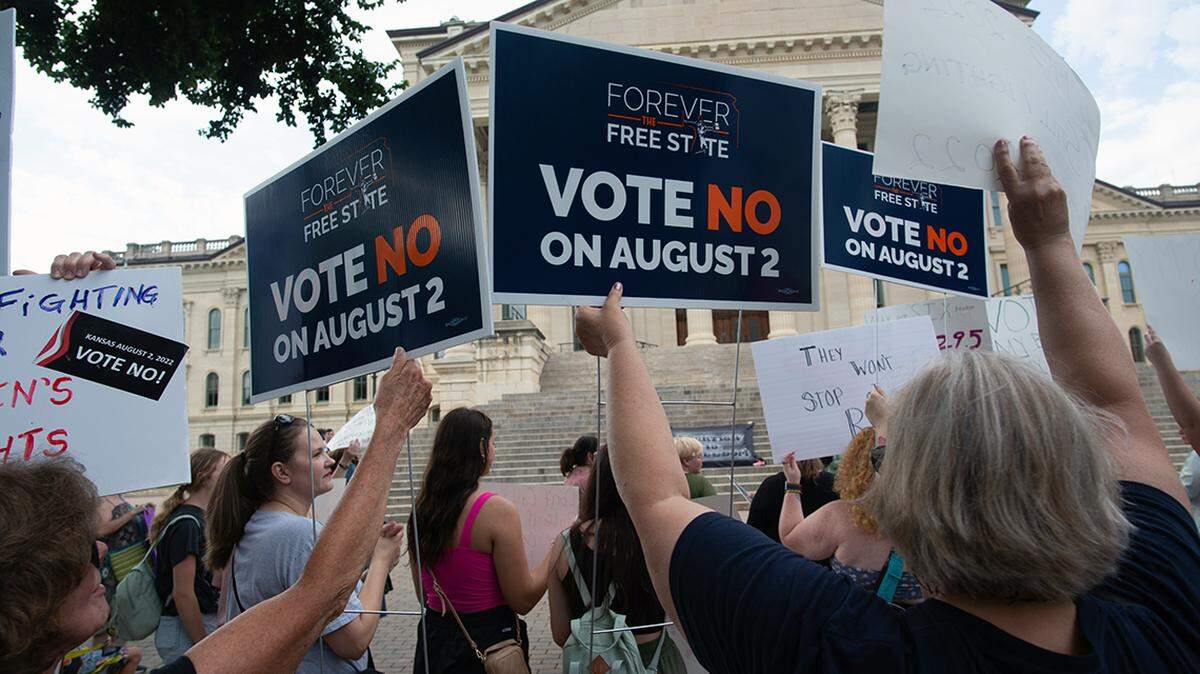
As a doctor who specializes in women’s reproductive health care, I urge lawmakers to listen to Kansans who voted overwhelmingly to protect a patient’s right to make their own private medical decisions with their family and physician. Listen to the women and listen to the health care providers who care for them every day. And do your part to strengthen our state for hardworking families.
This story was originally published April 8, 2025 at 5:07 AM.