
Without support from Washington, Missouri soybean farmers will lose out on new fuels | Opinion
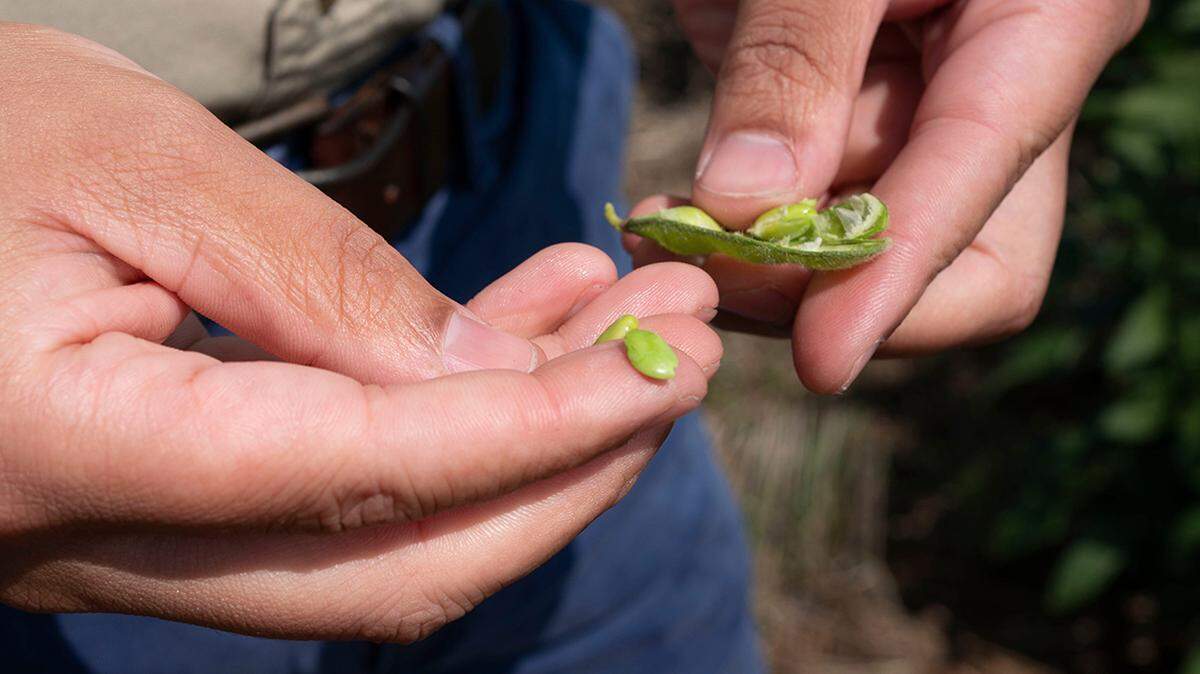
Over the last few years, farmers, airlines and energy companies came together in support of domestic clean aviation fuels, or CAFs, and the immense benefits they bring to our nation’s energy independence, our economic security and the boost to rural communities. Though strides have been made, there is plenty more that can be done to grow this industry — including carefully considering the differences between our American-grown commodities to put the best policies forward. Leadership in Washington, D.C. has changed, and now we implore the new Congress and administration to continue supporting a robust CAF market — with a focus toward inclusive practices — rather than losing ground. Our farmers have too much to lose without Washington’s support.
The expanding CAF market has left one facet in particular woefully untapped: the soybean farming industry. One of the strongest ways to push the CAF market and U.S. energy dominance forward is by extending the clean fuel production credit to include soybean crops. Soybeans are the second biggest crop in the U.S., with 113.27 million metric tons grown here between 2023 and 2024. However, because of the qualities inherent in their crop and its limitations, soybean farmers have been put to the wayside compared to counterparts in the industry. The 45Z Clean Fuel Production Credit has the potential to hold the doors to the market open for soybean farmers and other sidelined CAF feedstock producers.
The 45Z credit, which went into effect at the beginning of the year, is poised to expire in 2027 and with it, the promise of a stronger future for producing CAFs. The clean fuel credit incentivizes farmers to produce the crops that can qualify to be used in CAFs and promotes lower carbon intensity outputs for those farmers. This unlocks a greater potential for a strong, domestic low-carbon biofuels market than the scheme farmers had been operating under. To receive the clean fuel credit, feedstock farmers must meet the requisite carbon intensity score. Soybean farmers face limitations based on carbon intensity scoring entwined in statutory language. As compared to other producers, soybean farms produce more volume on less space, but because of the makeup of the crop, only 20% of that harvest yields the ingredients for CAFs. In turn, more land is needed to produce the same amount of fuel as other commodities.
The barriers facing soy farmers are further exacerbated as the tax credits that they see are lower per gallon than other crops. The end product is soybean farmers not seeing a significant enough return on the investment of time, energy and specific regulations needed to quality crops to be used for clean fuels, ultimately dissuading their participation and stunting the production of CAFs. Our farmers are ready to do their part to get this market off the ground, but need the proper regulatory and policy frameworks to do so.
Moreover, as innovative farming practices have been developed to help the environment, certain techniques were excluded under the last administration, rather than encouraging robust participation in this growing market. Additionally, previous guidance required the bundling of climate-smart practices, creating a barrier to entry so large, our farmers can’t even begin to move forward. The Trump administration must take steps to support producers by immediately unbundling these requirements and allowing for more flexibility with additional techniques. Without these steps, producers will continue to be discouraged from utilizing sustainable practices, stunting the growth of the market completely.
Soybean producers could be of immeasurable value to the production of CAFs. It’s an area where the largest industrial sectors in America can find alignment, and it’s an industry the incoming leaders in Washington could immediately support to strengthen our economy and energy sectors to the most granular players. But without these changes, our producers will be boxed out by regulatory hurdles that impede their entry.
To continue to leave soybean farmers out of conversations and credits is to lose a strong contributor to the economic boon that the partnership between clean aviation fuels and the agriculture industry promises.