
KCATA buses keep Kansas City moving. But a huge budget shortfall needs a fix now | Opinion
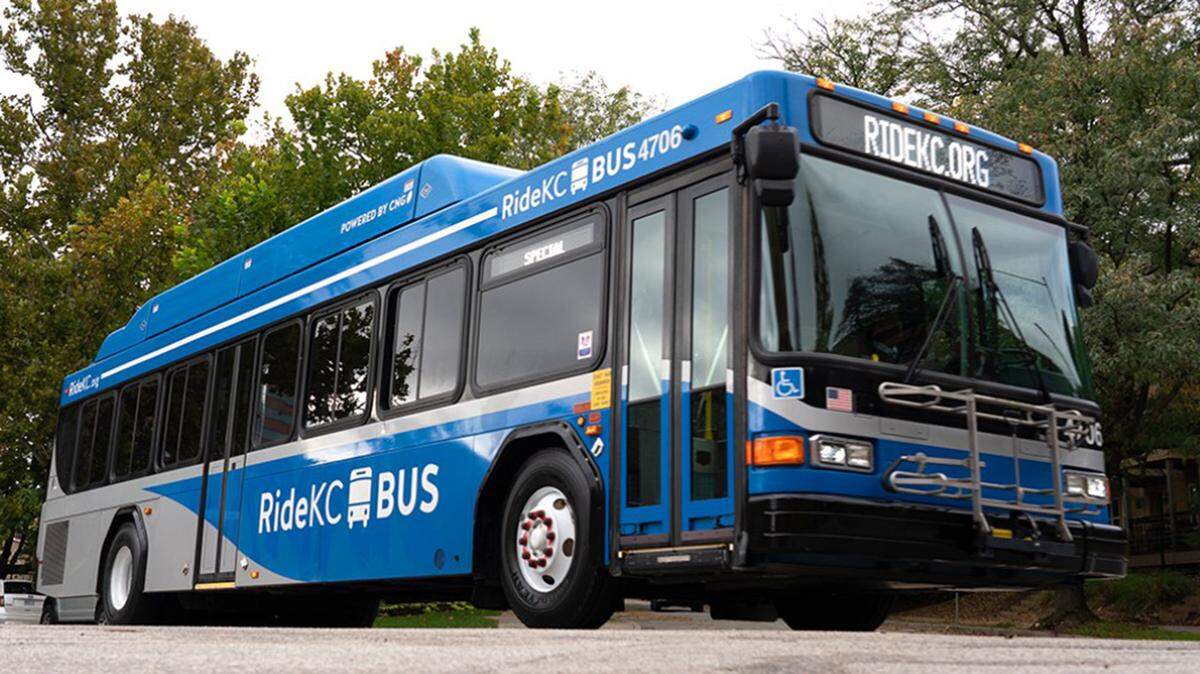
The Kansas City Area Transportation Authority — the agency that runs buses and specialized transportation services for people with disabilities in the greater Kansas City area — is facing a budget crisis in 2025. According to KCATA, it has a deficit of $20 million to $30 million next year. If KCATA doesn’t get more funding, it is looking at substantial service cuts for the riding public and devastating layoffs for its employees, who are members of my union, Amalgamated Transit Union Local 1287.
As president of ATU Local 1287, I see firsthand the impact that public transit has on Kansas City. It connects workers to jobs, students to school, and disabled residents to anywhere life takes them. It is an essential service for the region.
Transit is also an engine for economic growth and opportunity. Every dollar investment in public transit generates five dollars of economic growth — meaning that the KCATA generates about $640 million in economic activity. Transit also creates good, middle-class union jobs for Kansas City residents.
And when transit is cut, those benefits are eliminated. For example, academic research found that ending local bus service in a town in Georgia caused substantial increases in poverty and unemployment in affected neighborhoods.
Kansas City residents have said time and time again that we want to see high-quality transit in our city. Most recently, in 2023, 73% of us voted in favor of maintaining the KCATA 3/8-cent sales tax.
Despite public support for transit funding, the KCATA is underfunded compared to peer cities. A recent study from the Mid-America Regional Council found that the KCATA received about $13 less per capita in state and local funding than peer cities, while also being the only fare-free transit system among peer cities.
Despite making do with less, the KCATA is actually highly efficient. The same MARC study found that the KCATA’s cost per passenger trip ranked second lowest out of 11 peer agencies. That means the KCATA is providing more transit service for less money.
But the KCATA needs our support now more than ever. Federal pandemic funds have dried up, and we need local funding to make up for the shortfall. With a projected deficit of tens of millions in 2025, the KCATA might have to cut essential services for our region if the agency cannot get more local support. That would mean more poverty and fewer jobs, more traffic on morning commutes and less dependable service.
Our vision is a city where transit service is fast, frequent and reliable. Where you never have to check a bus schedule because you know your bus will come in 10 minutes or less. Where every corner of our region is connected. Where bus rapid transit technology makes taking the bus even faster than driving.
We all know there is a lot of work that needs to be done to achieve that vision. Amalgamated Transit Union is ready to work with policymakers across the region to make it a reality. But while we work together on this long-term goal, we need to come together now to save the KCATA. We need full funding for the KCATA in 2025.