
Kansas, we’re more obese than the national average. These new medications can help | Opinion
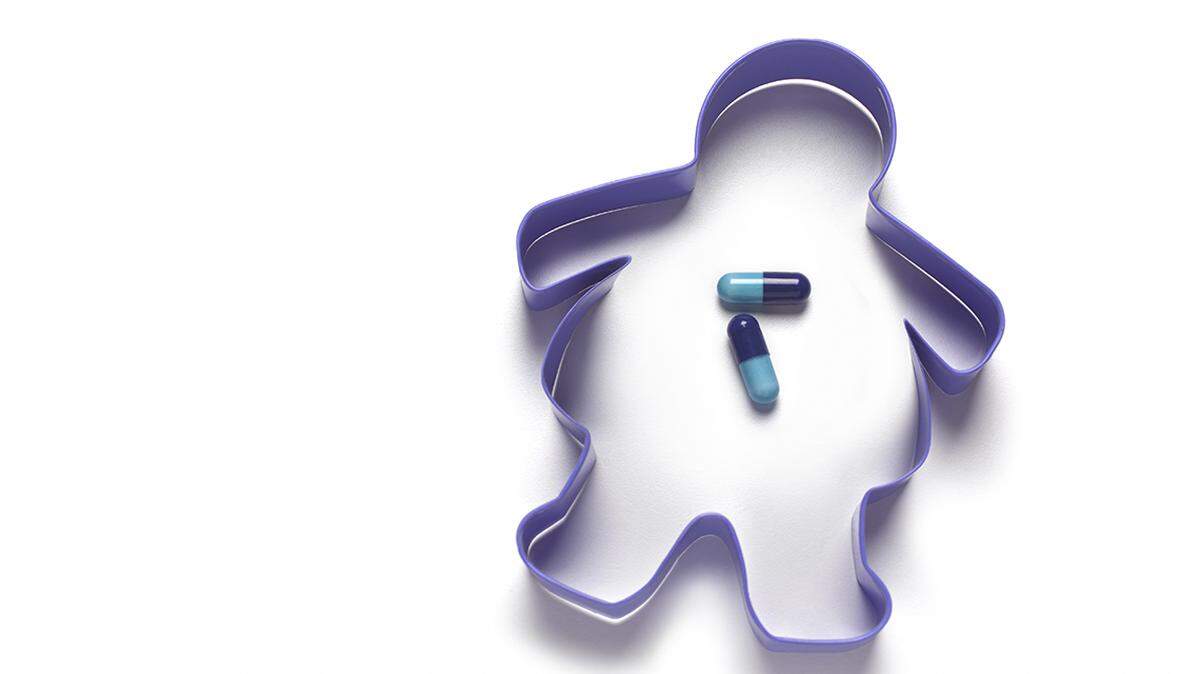
Obesity or being overweight is a common problem. It affects more than 1 billion people across the world. In the United States, obesity increased to 43.8% in women and 41.6% in men in the recent past, according to World Health Organization. Unfortunately, Kansas has higher rates than the national average, with the National Institutes of Health projecting more than 55% of adults in the state to be obese by 2031.
Excess weight contributes to as many as 1300 additional deaths per day in the United States (nearly 500,000 each year), according to the American Heart Association (AHA), and lowers life expectancy by as much as 2.4 years. The impact on lives is twice as high for women as for men, and higher for Black people than for White people.
If a person has body mass index of 30 or higher, or if the BMI is between 27 and 29 and that person has also medical problems such as high blood pressure or high cholesterol, he or she is considered as obese. (BMI is calculated by weight in kilograms divided by height in meters squared.) The other way to find out is if your waistline is greater than 40 inches for men and 35 inches for women, no matter your height.
There is a new class of weight loss medications such as Ozempic and Wegovy, which are brand names of the drug semaglutide. They work on the brain and gut to decrease hunger and food cravings, and suppress appetite. The medication is injected under the skin in the abdomen, thigh or upper arm once a week and is intended for long term use.
Taking one of these drugs is not a short-term solution — once you start taking it, you must stay on it for a long time to keep getting the benefits, according to Caroline Apovian, an obesity medicine specialist at Harvard-affiliated Brigham and Women’s Hospital.
You can take it for several weeks, and then stop to see what happens. Most probably, you will regain some weight you lost.
These drugs are expensive and may cost $1,000 a month. Medicare may pay for certain individuals. You need to consult with your health insurance company.
A study recently published in The Lancet showed that semaglutide reduced the risk of heart failure in obese people. The U.S. Food and Drug Administration also recently approved the drug for reducing the risk for chronic kidney diseases, and also for adults with Type 2 diabetes.
This drug reduces the overall death rate from COVID-19 by 19%, research reports.
Benefits of these drugs also include reduced risk for several substance abuse disorders including alcohol and opioid use, suicidal ideation, seizures, neurocognitive disorders including Alzheimer’s and dementia, cardiac arrest and chronic kidney disease, in addition to weight loss. The benefits increase when used in conjunction with other interventions, such as live style changes.
There are some side-effects including nausea, vomiting, abdominal pain, constipation, diarrhea or fatigue. Rarely, your vision might be affected. If there is personal or family history of thyroid carcinoma, you perhaps shouldn’t take it.
These drugs aren’t the only way to get healthier, though. One alternative to lose weight is bariatric surgery, a surgical procedure to manage obesity. This surgery reduces the size of the stomach to limit the amount of food you eat. Qualified patients can expect to lose 60% to 80% of excess body weight within 12 to 18 months after surgery.
The other alternative is diet and exercise. Consume a high protein and low carbohydrate diet. Eat more fruits and vegetables, and less red meat. And exercise.
But regardless of how you achieve it, avoiding obesity is crucial to a longer, healthy life.