
Tuberculosis is back in Kansas. Under RFK Jr., this might be just the beginning | Opinion
Kansas is facing the largest tuberculosis outbreak in the U.S. since the 1950s. As of the beginning of 2025, 67 active and 79 latent cases linked to the outbreak have been reported in Wyandotte and Johnson counties. This isn’t just a statistic — it’s a public health catastrophe, one that should serve as a wake-up call to policymakers who continue to gut public health funding, restrict Medicaid and ignore the devastating consequences of disinvestment.
At El Centro, we know firsthand that Kansas, like much of the country, is still grappling with the long-term effects of the COVID-19 pandemic. The exhaustion of public health resources continued medical workforce shortages, and increased financial strain on health systems have made it even harder to respond to new outbreaks. As a community-based organization that has served Wyandotte County for 48 years, El Centro played a crucial role in preventing the spread of COVID-19. By utilizing Promotoras volunteers and culturally tailored health education campaigns, we reached the communities that local health departments could not.
Historically, health outcomes in Wyandotte County have ranked well below both state and national averages, but outside of the pandemic, we have seen little momentum in supporting these effective community-based approaches to health care. “We have watched this TB outbreak continue to grow for months, and even with the state health department becoming involved, not enough is being done to support our residents,” said Erica Andrade, CEO of El Centro.
TB is preventable and treatable — yet Kansas has consistently refused to expand Medicaid, weakened local health infrastructure and failed to invest in community-based disease prevention and education programs. Despite ongoing efforts of community-based organizations such as El Centro to address these issues, a lack of leadership and division within the local government has prevented the county from capitalizing on opportunities to enhance its public health department, implement essential programs and secure much-needed funding.
Our state continues to see new laws introduced each year that diminish funding and the authority of health departments — just last month, two new bills were proposed that would effectively eliminate vaccine requirements across Kansas. As Andrade points out: “This doesn’t help us make progress in improving the health of our county or state. It only sets us back and makes Kansas news for the wrong reasons. This harms our county government and negatively impacts the residents of Wyandotte County.”
Measles’ return, vaccine hesitancy
This outbreak isn’t happening in isolation. Despite the fact that the U.S. declared measles eliminated in 2000, we’re seeing it resurface 24 years later. Increased vaccine hesitancy, fueled by misinformation and exacerbated during the COVID-19 pandemic, has reversed years of progress and by the end of 2024, 284 measles cases had been reported across 32 jurisdictions. A similar resurgence is now being observed with tuberculosis in Kansas. It comes at a time when:
Rural hospitals are closing, leaving entire regions without access to basic health care.
Public health funding has been slashed, forcing counties to operate with fewer disease intervention specialists and fewer resources to contain outbreaks.
Medicaid eligibility restrictions keep thousands uninsured, making it harder to diagnose and treat infectious diseases before they spread.
Disinformation and political interference have fueled distrust in vaccines, preventive care and public health measures.
Declining vaccination rates have left communities more vulnerable to preventable diseases — only 1 in 5 adults is up to date on recommended immunizations.
For communities already harmed by racism, classism, ableism and other systemic inequities, this outbreak is not just a public health failure — it is yet another example of how disinvestment leaves the most vulnerable at risk. Under-resourced communities face the greatest barriers to care, yet they are always the first to bear the consequences of public health crises.
Funding cuts hurt local public health
Time and again, community-based organizations have proven to be the most effective first line of defense against public health threats. During the COVID-19 pandemic, organizations like Immunize Kansas played a critical role in combating disinformation, expanding vaccine access, and bridging health care gaps — work that remains essential today.
Yet instead of strengthening public health systems, too many lawmakers are doubling down on disinvestment, restricting health care access and pushing Medicaid cuts that will make outbreaks like this even worse.
We know what works:
Investing in community-based health initiatives that directly serve vulnerable populations.
Fully funding local and state public health agencies to respond to emerging threats.
Expanding Medicaid to ensure people can access preventive care, vaccines and early disease intervention.
Ignoring these solutions doesn’t save money — it costs lives and weakens our ability to respond to the next public health crisis before it begins.
Public health crises don’t just harm communities — they take a devastating financial toll. The U.S. already spends nearly $35 billion annually treating vaccine-preventable diseases. Ignoring public health issues today only guarantees that taxpayers and communities will pay a far greater price tomorrow.
RFK Jr.’s leadership could deepen crisis
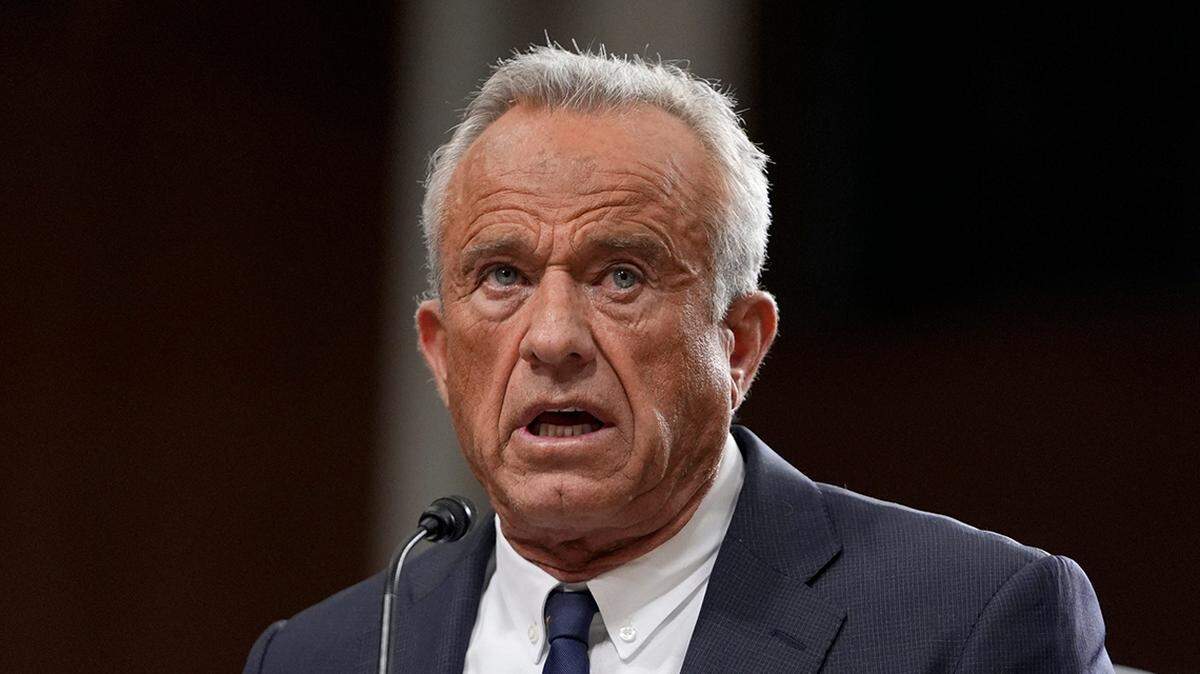
With Robert F. Kennedy Jr. at the head of the Department of Health and Human Services, the U.S. is ill equipped to contain outbreaks like these. His anti-science rhetoric, opposition to vaccines and disregard for public health measures raise significant concerns about our country’s ability to respond to emerging crises — putting more lives at risk, especially in the communities already being harmed.
The role of the HHS secretary is to protect and advance public health, not undermine it. Kennedy’s long, well-documented history of promoting disinformation, denying vaccine efficacy and attacking evidence-based medicine is dismaying. We are concerned that his leadership is not only weakening our ability to respond to public health crises — but actively accelerating them.
Public health is not optional — it is the foundation of a functioning, thriving society. If we truly want to “make America healthy again,” we need to continue to strengthen our public health system by building up, not tearing down, local public health infrastructure. It is essential that federal, state, and local public health agencies prioritize and resource community-based organizations and acknowledge the need for collective investment in community-based solutions. We need HHS leadership that prioritizes public health, strengthens community-based organizations, and ensures people have access to the care they need.
Kansas is just the beginning if we don’t act now.