
Visit the Black Archives of Mid-America in Kansas City to learn the truth of our past | Opinion
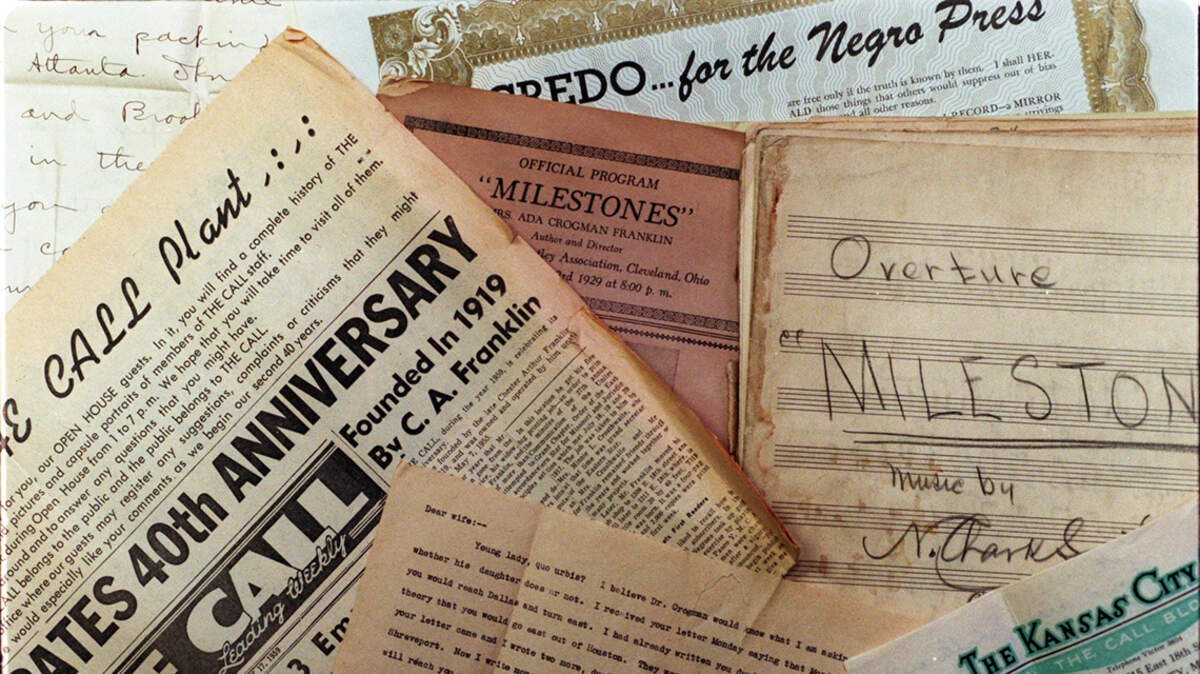
The truth of history is like Houdini: It will disappear right before your eyes. Maybe you’ll see vapor floating away, but usually it’s just gone. You will know that it happened, maybe even have memories of the time, the person, the event — but because that truth wasn’t kept safe, wasn’t shared, and wasn’t honored, it is gone forever.
The danger of someone else recapturing and saving your history lies with the person who may have caught some tidbits of the history and resuscitated it with a blend of their own memories, heard tales, family lore or fantasies. The story is no longer yours. It is now revisionist history.
The Black Archives of Mid-America in Kansas City strives to eliminate revisionist history. We believe in telling the truth. Our mission is to collect, preserve, share and educate our communities about the life and culture of people of African descent in this country. Our motto is “No Revisionist History: Tell the Truth,” which we do through witness testimony, scholarly input and the thousands of documents, photographs, artifacts and relics that we house, all of which have been donated to us. These items talk to and about the past, which includes right now. When you finish reading this piece, it will be historic.
The history of Black people in America is vast and broad. Even before men, women and children were brought here to be sold into chattel slavery, other Africans had already made those initial steps onto the diasporic soil of a land on which they would live and die, work and cry, and make their home. The truth of their stories must be saved and shared truthfully. That is our goal at the Black Archives.
Our main exhibition hall is “With My Eyes No Longer Blind,” taken from “I Look at the World,” a poem of Langston Hughes, the Harlem Renaissance artist who spent part of his childhood summers in Kansas City. This space houses some of the stories of Black Kansas Citians who built this community by surviving social, political and economic obstacles and uplifting the race on many levels. Housed there is Aunt Lucy’s cabin, the home of a formerly enslaved woman. It is one-third its original size because time and weather conditions rotted some of the boards, but the cabin was her home. Operation Hero Homecoming houses the Medal of Honor of Pfc. Willey James, who lived not too far from the Archives. The beautiful display case that safely houses the medal was bought by 1st Sgt. Robert Gray III and others in the military community. An exhibit that honors the life of Cameron Lamb tells the true story of his murder.
Our kiosks house the oral histories of others who would not revise their history. The Women’s Professional Basketball Hall of Fame honors amazing female athletes who have played their sport as professionals in leagues since 1931, including the spring and summer league started by Lightning Mitchell in Kansas City.
Curiosity about “from whence one came” can be quenched in Heritage Hall. Genealogy classes are held regularly, and the software for those already familiar with the process is installed on the computers there. Whether you need just a sip of coffee or are ravenously hungry, our Black Coffee Café can fulfill your needs. The work of local artists abounds in the gift shop. Art pieces by Kansas City’s own fabulous artists including Marshall Toomey and NedRDa Bonds are available. Books by Doc Bass, Alvin Brooks, Kiki Baker Barnes and even me give an insight into our worlds.
To prevent the adage, “The best stories are in the cemetery,” from becoming truth, we collect oral histories in our two recording studios. We also create historical reenactments and make history accessible with our videos and other recordings. Meeting spaces are available for rent. We have held everything from baby showers to funerals here.
There is no charge to visit our exhibitions, although donations are welcome and sincerely appreciated. We are a nonprofit, but that doesn’t mean that we can operate without money. The exhibition halls are open Monday through Friday from 9 a.m. to 5 p.m. and weekends by appointment. Black Coffee Café is open from 8 a.m. to 3 p.m.
Come visit. Come often. Bring people with you.