
Are stadium supporters playing politics instead of presenting a clear stadium plan? | Opinion
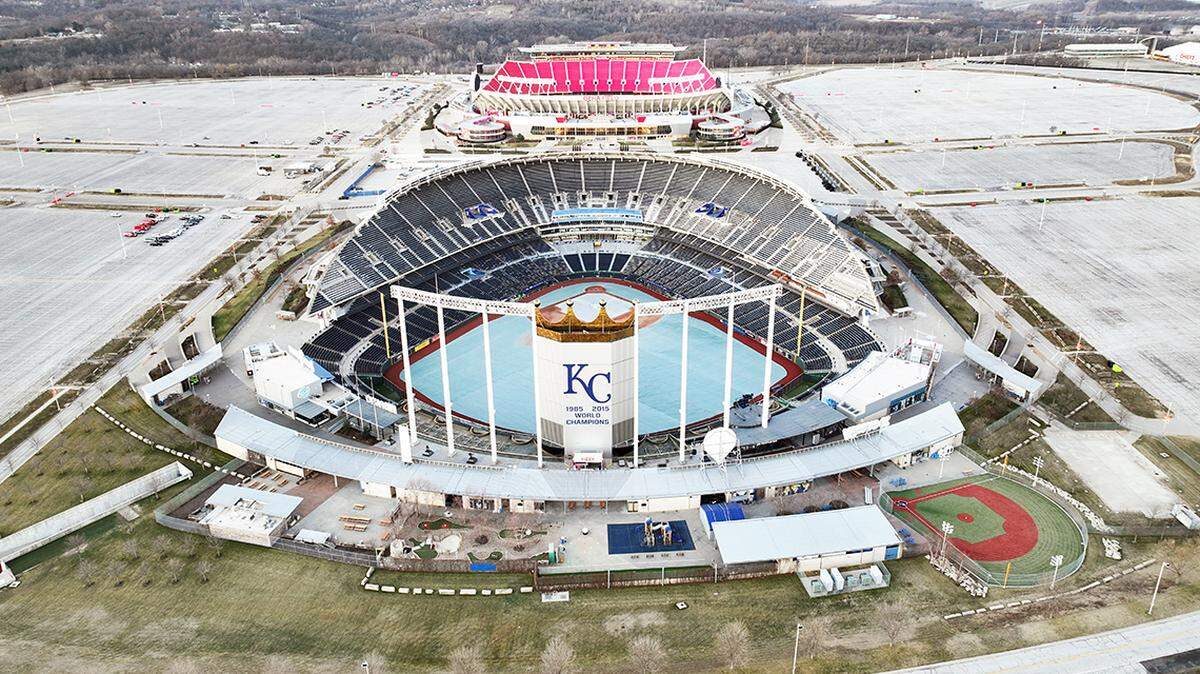
Nearly a year has passed since Jackson County voters overwhelmingly rejected a long-term sales tax—one that would have helped fund a new downtown ballpark for the Royals. Royals ownership has been largely silent on next steps since then, but a recent statement by Missouri House Speaker Jonathan Patterson, a representative of Lee’s Summit, has added new urgency to the effort.
Patterson suggested Jackson County leaders need to act, adding, “This is going to be something that has to happen in the county first and then the state.” That’s noteworthy because there has been significant speculation that stadium supporters want to avoid public input altogether—and after losing by 16 points in April, it’s no wonder why.
But if Patterson is signaling that the state won’t move until Jackson County acts, that’s bad news for those hoping to sidestep the voters.
While the Royals have been quiet, their allies have been anything but. Behind the scenes, they’ve been preparing the battlefield—working to remove an elected official.
A few weeks ago, a friend asked if he could pass my number to Bridgette Williams, the Executive Director and CEO of the Heavy Constructors Association. I gave permission.
Williams never called, but within hours, I received a call from former Missouri State Senator Shalonn “Kiki” Curls (who is on the board of Community Builders of Kansas City and its deputy director) asking for help raising funds for the effort to recall Jackson County Executive Frank White.
The Kansas City Star already has written on Williams’ connection to the recall push. She is related by marriage to Guy Howard, executive director of Democracy in Action, which has “stepped in to run a year-old grassroots recall campaign that had stalled until recently,” The Star reported.
The Heavy Constructors Association stands to benefit from the construction contracts that would come with building a downtown ballpark. The Star reported that Williams herself was part of a group of community leaders backing the sales tax, while White opposed it, citing the lack of detail. Jackson County voters overwhelmingly agreed with White.
Supporters of a new downtown ballpark are free to play any role in local politics they choose, providing it falls within the rules. Unfortunately, rather than learning from their humiliating defeat in April and offering voters a transparent, comprehensive stadium plan—as was done in 2006 —Royals supporters appear to be engineering a friendlier political landscape and refuse to present a clear package of commitments, public costs, and benefits.
That strategy seems like a losing bet. Voters rejected the tax by 16 points—not because of Frank White, but because the Royals’ campaign refused to offer the public specific lease terms or a completed community benefits agreement — despite being willing to do so when negotiating with Clay County.
Instead of making their case on the merits, the Royals campaign tried to leverage voter frustration over botched property assessments to make White the scapegoat. The strategy failed miserably.
If people think merely getting rid of White will somehow change the public’s mind, they are deluding themselves. The public has every right to demand details about what is being asked of them.
This story was originally published February 25, 2025 at 5:03 AM.
CORRECTION: This commentary originally misstated Bridgette Williams’ relationship to Guy Howard.