
Asbestos kills, and Missouri veterans were exposed to it for years. But there’s help | Opinion
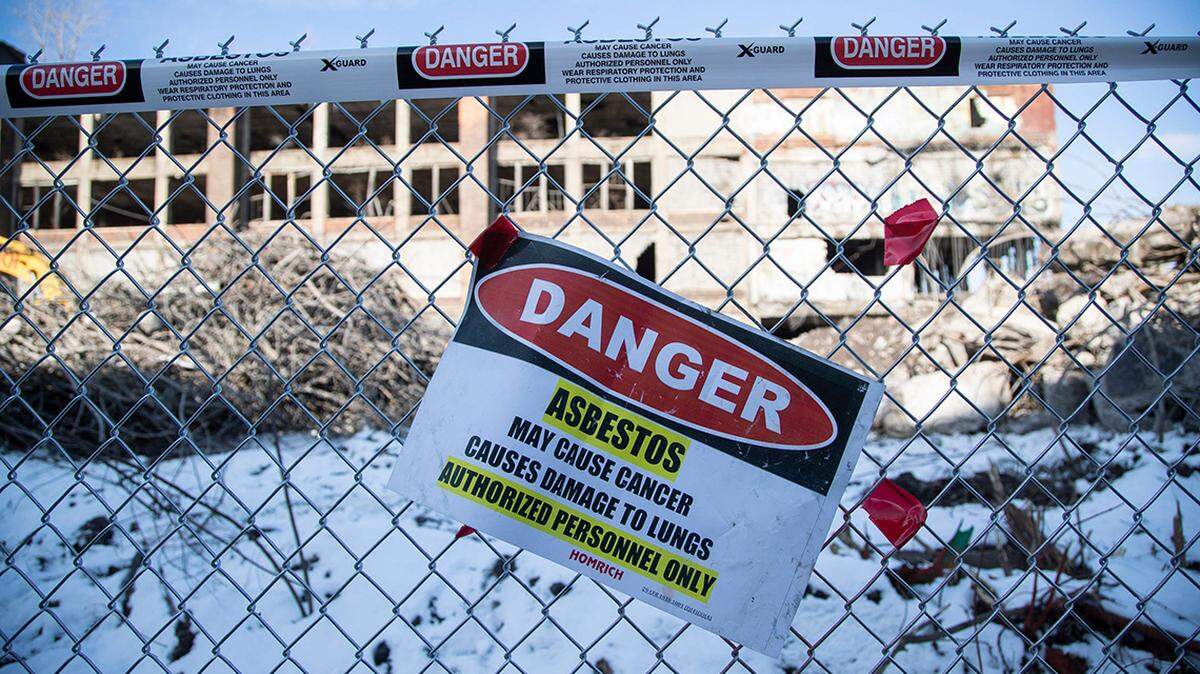
With asbestos use dominating most industries in past decades, the number of people diagnosed with exposure-related diseases has been increasing nationwide, including in Missouri. The military sector was no exception from applying asbestos in a plethora of products, and, consequently, military veterans are among the individuals most affected by this carcinogenic material, with many developing severe diseases stemming from their exposure, such as asbestosis, mesothelioma or lung cancer. For instance, reports suggest that about one-third of mesothelioma patients are veterans. Considering that mesothelioma is an almost-always deadly cancer, the statistics are staggering.
Asbestos is a strong and heat-resistant mineral fiber found in rock and soil. It has long been used to produce automobile and shipbuilding construction materials. People are exposed to airborne asbestos fibers by inhaling or ingesting them when asbestos-containing materials are disturbed or damaged. Out of all armed forces branches, the Navy became one of the largest consumers of asbestos, applying it as insulation on most of its vessels built before the 1980s. It exposed personnel to the risk of developing asbestos health conditions decades after their service. Asbestos pollution was a common occurrence on naval vessels built for the World War II effort because of the tight-fit, poorly ventilated areas below deck. However, even if asbestos exposure occurred with prevalence on ships, asbestos products also abounded in military facilities throughout the nation, making them potential sources of asbestos contamination. Toxic substances represent health and environmental risks on military sites even today, and exposure to these hazards is a severe issue requiring immediate action after discovery in most cases.
Missouri has more than 10 military installations, including two Navy facilities: the Navy Operational Support Center-Kansas City and Navy Operational Support Center-St. Louis. The state is also home to Whiteman Air Force Base, known by its wartime name as Sedalia Army Air Field, a critical operational location for the C-46 and C-47 transport planes. WWII-era highlights include Harry S. Truman becoming the first Missourian to be president of the United States, around 450,000 Missourians fighting on nearly every front of the war, and women serving in the Navy WAVES and the Women’s Army Corps.
White dust causes lung cancer
Asbestos becomes friable with wear and tear and disintegrates into fine dust if disturbed. Many veterans remember that white dust covering everything in shipyards, bases or their bunks on ships. Its microscopic mineral particles attack the lungs and the membranes around them first, causing permanent damage and, eventually, cancer. Medical studies show that exposure to all types of asbestos increases the risk of lung cancer, the second-most common cancer in the U.S. The issue may concern all veterans who might have asbestos fibers in their lungs, including those in Missouri’s and Kansas City’s veteran populations.
Mesothelioma is another cancer stemming from asbestos exposure. Only this type of malignancy has exclusive ties to the toxic mineral, and it’s an aggressive and deadly condition that develops in the membrane around the lungs, abdomen, heart or reproductive organs. Besides being one of the most aggressive cancers, mesothelioma is often misdiagnosed or detected only at its advanced stage, leaving no chance of survival for its victims. Unfortunately, incorrect and late mesothelioma diagnoses are far too common in the U.S. — from 14% to 50% of all cases.
Considering that asbestos diseases still present considerable challenges to the medical community, veterans with known and even unknown exposure to this toxic substance should attend periodic medical checkups to give early detection a chance. Unfortunately, timely discovery is the only option for ill veterans to alleviate symptoms and prolong their life expectancy when it comes to illnesses linked to asbestos contamination.
Furthermore, to improve their diagnostic outcomes, veterans should request chest X-rays or CT scans and pulmonary function breathing tests to reveal any damage caused by inhaled asbestos particles and efficiently recognize benign and malignant conditions. Another essential factor for an exact diagnosis is being forthcoming with doctors about military service and possible asbestos exposure. It helps tremendously to avoid misdiagnoses and wasting precious time treating misplaced illnesses when speed is of the essence.
Veterans Affairs urges testing
Manufacturers profited from asbestos for decades, exposing thousands of military men and women. Although concerns related to asbestos’s adverse health effects started to surface long before, it was only at the beginning of the 1980s when federal law first introduced regulations on the use of asbestos. However, the damage was already done. Even though asbestos has already claimed so many of our veterans’ lives, certain types of it are possibly still used in shipyards in lack of other suitable material.
Being aware of the adverse health risks of asbestos, the Department of Veterans Affairs urges veterans to get tested for asbestos-related diseases, especially mesothelioma, if they worked in mining, milling, shipyards, construction or demolition of buildings during their service years. Those who served in asbestos-contaminated environments and are diagnosed with a health condition caused by exposure are eligible to file claims with asbestos trust funds and receive disability compensation and possibly free health care from the VA.
Until 2022, asbestos-related diseases were not considered presumptive conditions by the VA, meaning that affected veterans had to submit medical proof of their health condition and their service records enlisting their role in the military. In 2022, the Senate passed the Sergeant First Class Heath Robinson Honoring our Promise to Address Comprehensive Toxics or PACT Act, which expanded VA health care and benefits based on presumption, adding 20-plus more toxic chemicals and health conditions to the eligibility list, including asbestos and asbestos-related illnesses.
Since the passage of the PACT Act, more than 6 million veterans have been screened for toxic exposure, and more than 1.4 million veterans have been approved for benefits. We urge veterans in Missouri and all over the country to apply for the well-deserved compensation the VA offers. More information is available by searching for PACT Act at va.gov