
Kansas City Pet Project has failed. It’s time to return animal control to the city | Opinion
For four years, Kansas City Pet Project has overseen the city’s animal control services, and the results have been catastrophic for animal welfare. The system, once flawed but improving, has deteriorated into chaos, with more animals suffering from neglect, abuse and lack of enforcement. The defenders of this failing model lean on outdated audits, ignore expert recommendations and refuse to acknowledge the grim reality playing out in our city’s neighborhoods.
The truth is clear. Kansas City Pet Project has failed at its most fundamental responsibility: protecting the animals of this city.
KCPP and its supporters frequently cite a 2018 city audit to justify the nonprofit’s takeover of animal control. What they don’t tell you is that by the time KCPP assumed control in 2020, the city had already addressed nearly all the issues raised in that audit. The only remaining concern? That animal control and the city-run shelter should work together more efficiently.
Instead of solving that issue, the city was pressured into privatizing animal control against the advice of experts consulted. In 2019, when outsourcing animal control to KCPP was proposed, experts in the field opposed it. The city ignored them. And now, four years later, the result is exactly what those experts warned about: a dysfunctional, ineffective system that has failed the very animals it was meant to protect.
To be clear: The Kansas City Pet Project shelter does incredible work. The problem is KCPP’s animal services division — the group responsible for enforcement, investigation and ensuring animal welfare laws are followed.
Animal control is not just about handling stray dogs or responding to complaints. It exists to protect animals from cruelty, neglect and abuse. It ensures that owners meet minimum standards of care. It holds abusers accountable and prevents suffering before it happens.
Yet, under KCPP’s watch, enforcement has crumbled. What has its “community-driven” approach actually achieved?
- An increase in animals living in dangerous, abusive, or neglectful situations without intervention.
- A lack of enforcement of animal welfare ordinances, allowing cruelty to go unchecked.
- An increase in stray and abandoned animals suffering on the streets without timely response.
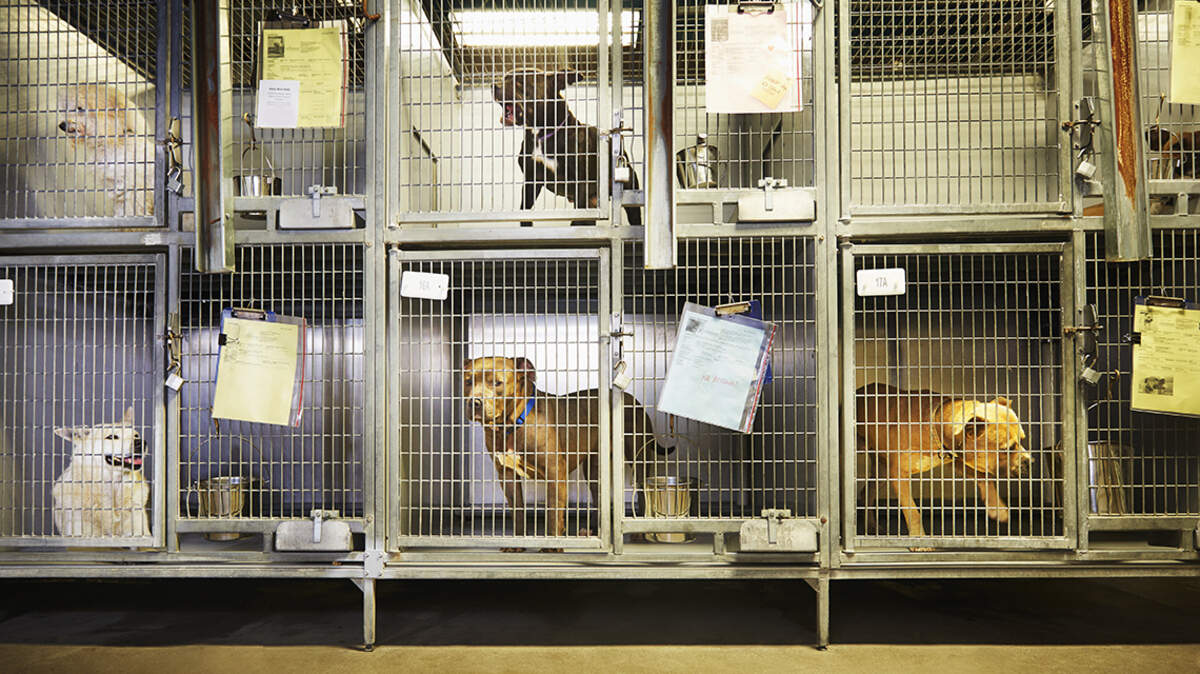
- Overcrowded shelters filled with neglected, emaciated and sick animals, often arriving in worse condition than before.
Before KCPP took over animal control, the city had a functioning cruelty investigation unit. That unit no longer exists. Instead, cases of abuse and neglect go uninvestigated and unpunished because KCPP does not prioritize enforcement.
Animal control officers once had the tools to seize abused animals, take swift action against cruelty and intervene when animals were being mistreated. Now, under KCPP, those tools have been stripped away, leaving helpless animals trapped in unsafe conditions.
Let’s not forget that merely three months ago, Kansas Citian Chris Culbertson was mauled to death by abused, dangerous dogs — a direct result of KCPP’s failure to enforce ordinances.
The tragic irony is that while KCPP frames itself as an organization dedicated to animal welfare, its failures have led to more suffering, more neglect and more dangerous situations for both humans and animals in Kansas City.
Kansas City Pet Project now asks for two more years to prove its model works. But how many more animals have to suffer before we admit what is already obvious?
KCPP has had four years to prove itself, and it has failed.
Instead of protecting animals, this system prioritizes optics over enforcement. Instead of using animal control as a tool to ensure proper care, KCPP has allowed a hands-off approach that leaves suffering animals with no one to protect them.
The solution is clear:
▪ Return animal control to the city
Animal control is a municipal responsibility that must be handled by professionals who prioritize animal welfare and enforce the law. It cannot be left to a nonprofit that refuses to take action against neglect and cruelty.
▪ Enforce the laws we already have
Kansas City already has ordinances in place to protect animals. The problem isn’t the laws — it’s the failure to enforce them. Animals will continue to suffer as long as KCPP refuses to act. The city must take back control and ensure that enforcement is a priority again.
▪ Demand transparency and accountability
The public was never given a real say when KCPP took over animal control. Now, we demand transparency. The City Council must listen to the community, acknowledge the failures of privatization and take decisive action to correct them.
For four years, Kansas City’s animals have been abandoned by a system that refuses to protect them. We see the evidence every day — in the growing number of neglected pets, in the tragic stories of animals left in abusive homes and in the overcrowded shelters filled with suffering animals that should have been helped long before they reached such a state.
Kansas City residents overwhelmingly support returning animal services to the city because they have seen firsthand the failures of privatization. They have witnessed helpless dogs left chained outside with no intervention, cats abandoned and ignored and cruelty reports that go unanswered. They know that KCPP’s approach has left animals in danger.
Kansas City’s animals deserve better. The community deserves better.
The council must listen. The city must act. And Kansas City Pet Project’s failed model must end.

This story was originally published February 5, 2025 at 1:49 PM.