
Kansas and Missouri senators back Trump’s push to retake Panama Canal control. Why? | Opinion
Make America the 1970s again.
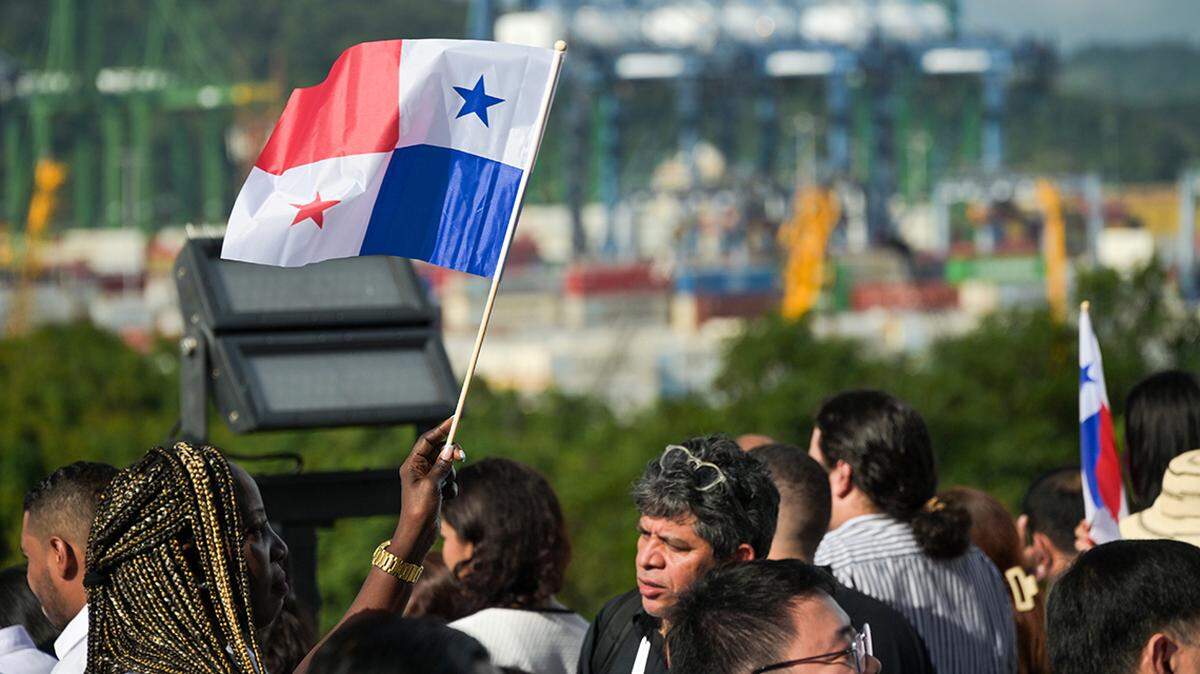
President Donald Trump’s sudden passion for retaking control of the Panama Canal feels very much like a blast from the past that’s much better left behind, doesn’t it?
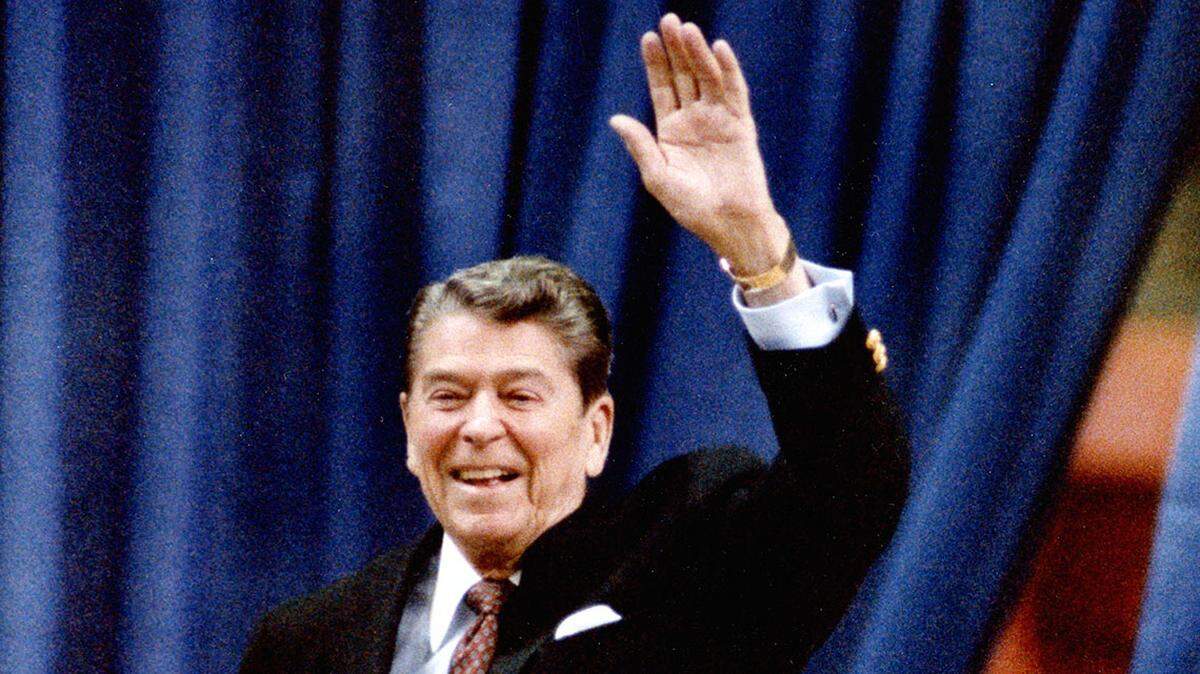
Americans spent a good chunk of the “Me Decade” (remember that?) embroiled in a bitter debate about whether to cede the canal to the Panamanians. Ronald Reagan helped cement his status as a presidential contender by arguing that the United States should retain control.
“We built it, we paid for it, it’s ours,” Reagan said.
But President Jimmy Carter — rest his soul — signed the 1977 treaty to give it up. (He did so, incidentally, at the behest of U.S. military officials who didn’t want to defend an easily-sabotaged canal against an increasingly likely anti-colonialist insurgency.) The Senate voted to approve the treaty. 68-32. And at the end of the 20th century, the Panamanians took control.
After that, the canal debate was relegated to the history books, mostly forgotten for nearly half a century.
Until now.
America “foolishly” gave the canal to Panama, Trump said Monday during his inauguration speech. “We’re taking it back,” he said.
The Panamanians, of course, feel differently.
Eric Schmitt, Roger Marshall’s threats
Here’s where Kansas and Missouri come into play: On Thursday, The Washington Post reported that Missouri Sen. Eric Schmitt will introduce a resolution backing Trump’s plan. And Kansas Sen. Roger Marshall is a co-sponsor.
“This is an opportunity, I think, for Panama to do the right thing,” Schmitt told The Post.
Trump, of course, contends that China has taken control of the canal. “We didn’t give it to China; we gave it to Panama,” he said during Monday’s speech.
That seems typically overblown, at best. Yes, a Hong Kong company manages ports on either side of the canal — but that’s been the case since 1997, when the United States was still in control. And ships don’t actually have to pass through those ports to go through the waterway.
It doesn’t seem like that big a deal, honestly.
Schmitt and Marshall’s resolution, though, plays up the inflated “threat” by calling on Panama to cut all its ties — political and economic — with China.
“They’ve now heard what President Trump has to say,” Schmitt told The Post, “and I hope they hear what the United States Senate has to say.”
Ronald Reagan changed his mind
So what’s really going on here?
One possibility: The canal debate took place in the mid-to-late 1970s, a good decade or more before most living Americans were born. But it happened when Trump was still relatively young, in his early 30s.
He was already a real estate man. The treaty was a real estate deal. It probably made an impression on him. And if we know one thing about Donald Trump, it’s that he doesn’t let old arguments go. He still says he won the presidential election in 2020. (He didn’t.)
So ask yourself: Would we be talking about Panama today if our president was, say, a 50-year-old whose first political memories start long after the treaty was settled? Did anybody besides Trump still care about that old debate, or harbor anger over it?
I’m skeptical.
The way Republican politics work these days, though, is that GOP officials have to go along with Trump’s whims no matter which way they lead, no matter how unexpected. Marshall and Schmitt have always been happy to do just that. It’s no surprise they jumped in to join this out-of-nowhere cause.
But it’s worth noting that even Reagan — who made his political bones opposing the treaty — eventually moved on. Instead, after becoming president, he celebrated a “warm working relationship” with Panamanian President Ricardo de la Espriella during a 1982 meeting.
His old opposition to the canal? It never came up. “We played the cards where they lay,” said an administration official at the time.
Sometimes, it’s best to let the old fights die.
Joel Mathis is a regular Kansas City Star and Wichita Eagle Opinion correspondent. Formerly a writer and editor at Kansas newspapers, he served nine years as a syndicated columnist.
This story was originally published January 24, 2025 at 5:04 AM.