
Facebook halting fact-checking is a dangerous step backward for news in Kansas City | Opinion
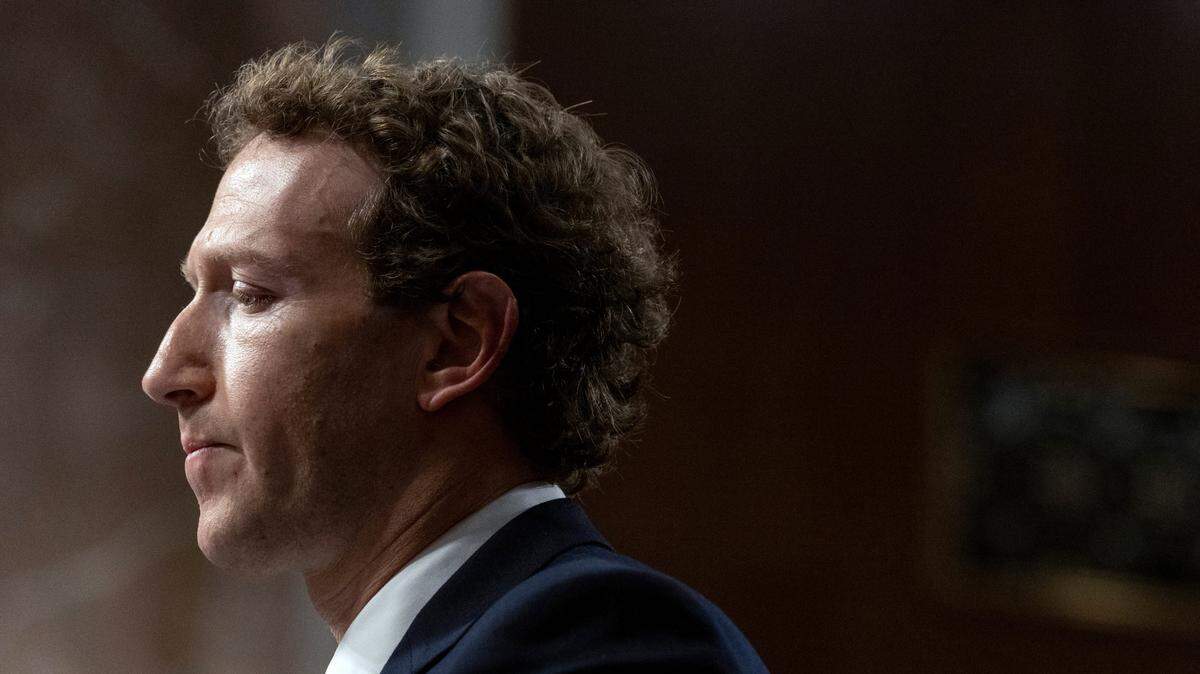
Mark Zuckerberg’s announcement that his social media giant Meta will end its fact-checking partnerships isn’t just a policy shift — it’s a retreat from responsibility.
Framing the move as a win for free speech, the Facebook parent company plans to replace third-party fact-checking with a crowdsourced “Community Notes” program, where users add context to posts.
But let’s not be fooled. This isn’t about free expression. It’s about avoiding accountability. For communities like Kansas City, where accurate information is essential for navigating local challenges, it’s a dangerous step backward.
Meta a major distributor of local news
Meta didn’t set out to be a news distributor. But 37% of Facebook users in 2024 reported regularly encountering news content on the platform. Local outlets such as The Kansas City Star, The Beacon and KCUR have used the platform to reach audiences, even as Facebook deprioritized news links.
Now, with the end of fact-checking, Meta’s retreat from truth is complete. Whether driven by financial, legal or political motives, it’s clear this decision wasn’t made with communities like Kansas City in mind. Algorithms reward engagement over accuracy, and fact-checking disrupts that cycle. By abandoning it, Facebook cements its role as an entertainment platform — not a source of reliable information.
This is deeply concerning because false information spreads faster than the truth online — and it doesn’t matter whether it’s shared accidentally or on purpose. According to a large-scale analysis in 2018, false stories are 70% more likely to be shared on social media and travel six times faster than accurate ones. Why? False news is often shocking or emotionally charged, triggering reactions such as fear or outrage that make people hit “share” without thinking. Platforms like Facebook, designed to reward engagement above all else, turn these viral falsehoods into wildfire.
Kansas City will feel the fallout. Without safeguards, misinformation and disinformation — deliberate falsehoods designed to mislead — will spread unchecked, complicating our efforts to tackle critical issues such as public health, housing and elections.
But there are steps Kansas Citians can take:
Support local news: Subscribe to and share work from trusted outlets such as The Star, The Beacon and KCUR. Local journalism is the antidote to misinformation.
Think critically: Verify what you see online before sharing it. Falsehoods spread fast, but critical thinking can slow them down.
Demand accountability: Platforms like Facebook shape public discourse. Advocate for transparency and responsibility in their practices.
Invest in media literacy: Encourage schools, libraries and community programs to teach media literacy, helping people navigate an increasingly chaotic information landscape.
Zuckerberg’s decision to abandon fact-checking isn’t about restoring free speech — it’s about avoiding responsibility. For Kansas City, the stakes couldn’t be higher. Accurate information is essential for tackling the issues that matter most, and local newsrooms are on the front lines of that fight.