
Kansas City needs a new jail to keep the public safe. Here’s how to do it right | Opinion
On April 8, Kansas Citians will vote on a renewal of the current public safety sales tax. For the last 15 years, the quarter-cent tax has funded the construction of the police department’s Regional Police Academy and Shoal Creek Station in the Northland, the renovation of the South Patrol Station and the development of the Leon Jordan Campus on the East Side, where the crime lab processes thousands of DNA samples and rape kits a year.
City leaders are proposing that the revenue be used to meet ongoing police department infrastructure needs, address long-standing deficiencies with the 911 system, and to construct a new Municipal Rehabilitation and Detention Center adjacent to the new Jackson County Detention Center at Interstate 70 and U.S. Highway 40.
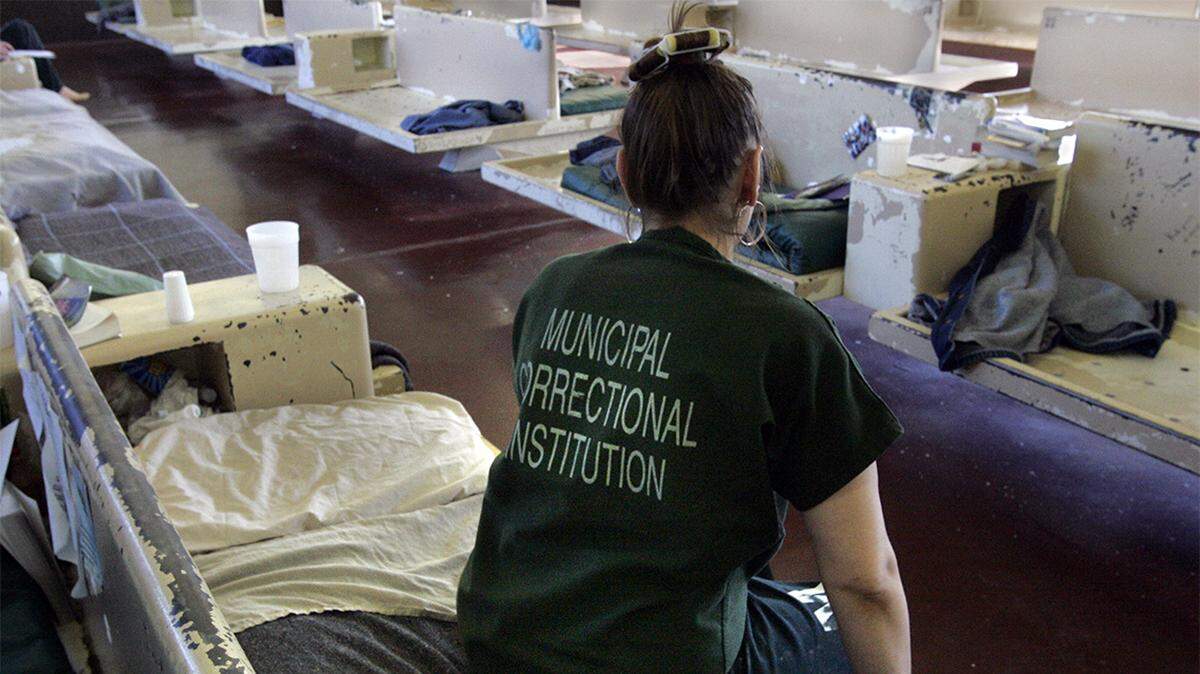
Since closing the municipal jail in 2009, the city has lacked an adequate detention strategy for people prosecuted in the municipal criminal justice system. The city currently contracts with Missouri’s Vernon and Johnson counties for 105 beds to house its inmates. In 2023, 64% of the inmate population was detained for violent crimes such as assault and domestic assault.
Kansas City does not have enough beds to meet its needs, and inmates who are a public safety risk are often released prematurely — to the dismay of their victims. The city has little control over their care, which is important considering recent allegations of abuse and mistreatment. These individuals are detained more than an hour away, driving up transportation costs for the city and making it difficult for their families and attorneys to visit. The status quo is unsafe and unsustainable.
For the last year, I chaired the City Council committee responsible for making recommendations on the new rehabilitation and detention center. Several important goals dominated our work. First, we want to be certain the facility will be rightsized to prevent over-incarceration and waste of taxpayer dollars. The recommendation to build a 250-bed jail is based on the work of experienced consultants who conducted a detailed forensic analysis of our long-term capacity needs, using a Department of Justice approved model. The study was recently updated in 2024 to account for amendments to Missouri’s bond rules, post-COVID-19 changes to detention practices and criminal justice reforms enacted after the murder of George Floyd.
An important element of rightsizing is creating a jail that does not simply become a warehouse for those who need help. As such, we reduced our bed need by 18% by implementing evidence-based alternatives to incarceration. We will reduce our need by an additional 10% by placing inmates with acute and sub-acute mental illness in a proper mental health hospital to receive care.
Second, the facility must be part of a comprehensive approach to address the serious public safety challenges impacting our neighborhoods and businesses. We unequivocally cannot arrest or detain our way out of substance abuse, mental illness or homelessness. There are proven alternatives to incarceration that can decrease the need for detention beds, improve public safety and save taxpayer dollars.
We will continue to provide specialty courts, such as the new Wellness Court, that provide social programs and case management, reducing recidivism. We have invested in low-barrier shelter beds to reduce the obstacles that prevent the unhoused from accessing services. We are partnering with the Missouri Department of Mental Health to build a 200-bed mental health hospital where the city will have 25 beds for people suffering from mental illness. We are funding REACH, the city’s alternative response program, which focuses on responding to nonviolent calls for service (often involving substance abuse and mental illness) without deploying the criminal justice system. We will also construct a Community Resource Center where inmates will be transferred after being released from detention to receive services and transition back to the community with stability and support.
Although these important efforts will reduce the number of beds needed at the new rehabilitation and detention center, there will still be a need for a detention strategy. Unfortunately, our city continues to experience unacceptable levels of crime. From homicides and nonfatal shootings (which are prosecuted at the state level) to domestic assaults and property crimes (which occur at the municipal level with high frequency), our neighborhoods and businesses cannot thrive without safety.
In a perfect world, jails and prisons would not exist. In our imperfect world, we can create a system that is more humane for inmates, more just for victims, fiscally responsible for taxpayers and safer for our city. A renewal of the current public safety sales tax would allow us to continue making critical investments in Kansas City’s safety and momentum.