
Body cameras on Missouri retail workers aren’t the best way to fight shoplifting | Opinion
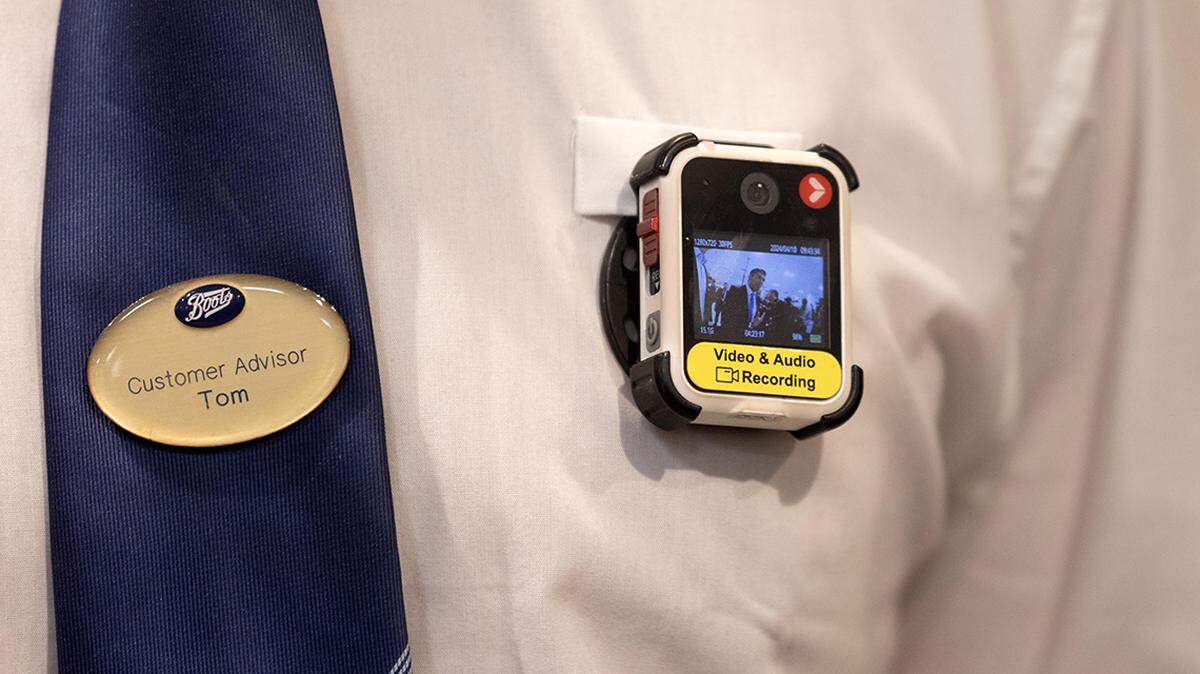
Walmart, the largest retailer in the world, has begun a pilot program that will see its front-line associates equipped with body-worn cameras in select stores in Denton, Texas. Plans were announced in June 2024 to equip workers at hundreds of Missouri clothing stores with body cameras.
Could Walmart employees in Kansas City be next?
The devices are “for the safety and security of workers — it’s not designed for anti-theft measures,” according to a person with insider knowledge of the Walmart body camera pilot.
The available evidence suggests that body cameras on retail workers will probably neither reduce theft nor improve worker safety by curtailing altercations with customers, and the staggering price tag for this technology will likely be passed on to consumers already feeling the pain of inflated groceries and other goods.
Much of what we know about body cameras comes from research testing their use by law enforcement officers.
Proponents of body cameras assert that the devices reduce police use of force and civilian complaints, and improve officer safety. However, the evidence in support of the effectiveness of the devices in achieving these outcomes is mixed.
Some research has found that wearing body cameras leads to increased assaults on officers. Furthermore, the police officers who murdered George Floyd in 2020 were all wearing body cameras, as were the officers who brutally beat Tyre Nichols to death in 2023. A body camera even captured a Baltimore police officer planting drugs in 2017.
The evidence illustrates that body cameras do not necessarily deter bad behavior, but instead merely documents it.
Retailers in the U.S. and U.K. have used body cameras for years. But independent research studies examining the effectiveness of the cameras in reducing retail theft and violent encounters among staff and shoppers is scant. Instead, much of what we know about the effectiveness of the body cameras in retail settings is from anecdotal evidence and unfounded beliefs that the devices will somehow lower theft and conflict.
Some self-reported findings by retail staff in the U.K. suggests that body cameras may have potential to reduce violent incidents between workers and customers. For instance, based on pre- and post-surveys with employees, one pilot program of body cameras on workers found a 68% reduction in aggressive and violent incidents in retail stores.
We can be cautiously optimistic about such findings. However, additional research including independent scientific studies utilizing randomized control trials remains necessary.
Nevertheless, unsupported beliefs and assumptions about body cameras prevail.
According to David Johnston of the National Retail Federation, body cameras will reduce conflict based on the belief that people will simply change their behavior when recorded. “That’s what I think the use of body-worn cameras can do,” said Johnston. But evidence suggests otherwise.
Most retail settings have closed-circuit video cameras that record people. Yet, if the presence of cameras caused people to change their behavior, no one would rob a bank or steal from a store. But a bank robbery occurred in Wisconsin just last week, and shoplifting is up a reported 93% from pre-pandemic levels, according to one industry report.
The main reported reason that people shoplift from retailers is inflation.
Police body camera programs are very expensive, and are subsidized by taxpayers at a cost of millions of dollars a year in some jurisdictions. Consider that the estimated price tag just to equip a 70-person police department with body cameras is upward of $1 million or higher. Walmart employs 1.6 million retail associates in the U.S. alone.
To put body cameras on all Walmart associates could cost billions, a staggering amount of money for an otherwise inconsistent technology that may not actually reduce violent incidents or retail theft.
Who would subsidize body cameras in retail stores like Walmart? Surely it will be the consumer.
Associated expenses of equipping retail workers with body cameras will almost certainly lead to increased prices of groceries and goods to offset costs associated with the devices. This would, ironically, likely lead to more retail theft.
Alternatively, rather than spending millions or more on body cameras, a more reliable way to reduce the increased retail theft associated with runaway inflation is to bring down prices — something America’s leading retailer and grocery chain could afford to do.