
Free speech means we have to tolerate bad ideas. Courts get it, but do all Americans? | Opinion
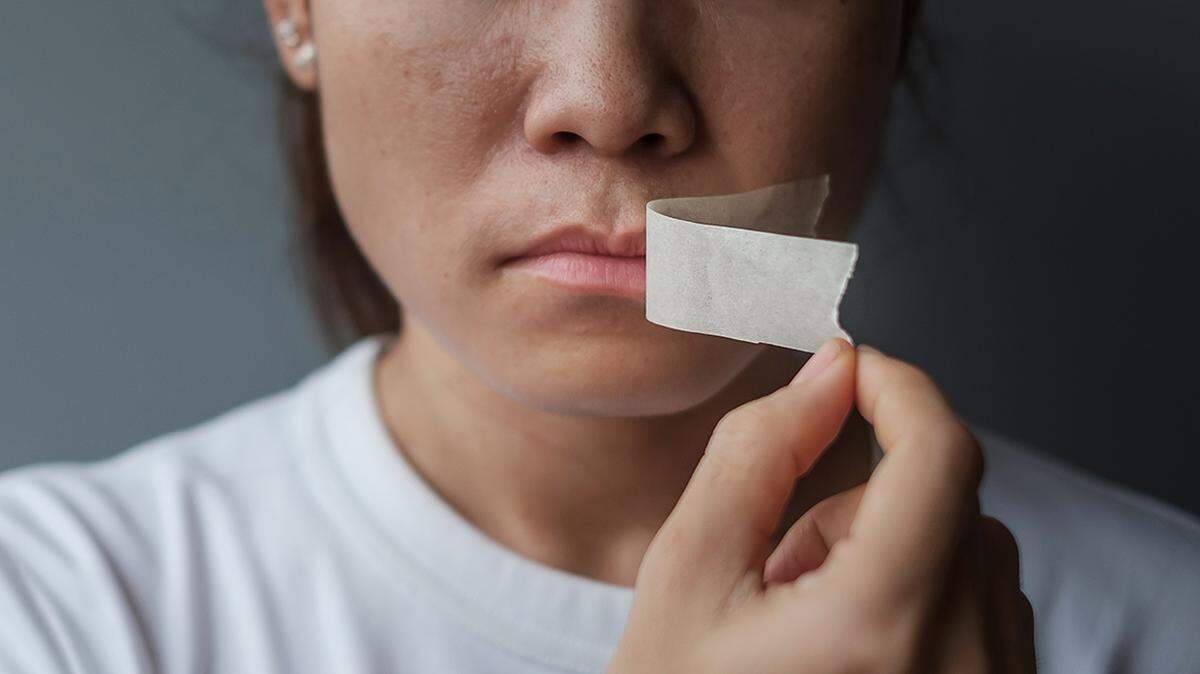
Free speech is having a moment in the United States, with recent legal victories affirming this bedrock principle. That is good, because culturally, we may be failing to defend this cornerstone of democracy as much as we should.
In 2023, the Supreme Court ruled in favor of a web designer who challenged Colorado’s antidiscrimination law, which would have compelled her to create websites conflicting with her personal beliefs. The ruling was about more than religious freedom; it meant the government cannot force people to speak or endorse messages against their will.
At the same time, we are dealing with a cultural notion that some views are so offensive that they should not enjoy the ability to be broadcast or given a platform. Not only should some views not be heard, we’re told, but those who hold such views should be shunned, barred from our airwaves, social media and holiday dinner tables.
This is clearly objectionable when the government means to silence people. Is it any less worrisome when individuals take it on themselves to silence others?
These are some of the concerns of Jacob Mchangama, a professor at Vanderbilt University and author of “Free Speech: A History from Socrates to Social Media.” Mchangama argues that free speech is most vulnerable when it becomes a tool for advancing political ends rather than a universal principle. In the United States, this vulnerability often manifests in the form of well-meaning but overreaching policies aimed at curbing so-called “hate speech” or misinformation.
We don’t need to look far for an example. While campaigning for Vice President Kamala Harris, Minnesota Gov. Tim Walz claimed Americans have “no guarantee to free speech on misinformation or hate speech, and especially around our democracy.” On the first part, Walz is wrong. The Supreme Court has been clear, ruling unanimously in 2016 that the government may not bar speech that disparages members of racial or ethnic groups. Justice Samuel Alito wrote: “Speech that demeans on the basis of race, ethnicity, gender, religion, age, disability, or any other similar ground is hateful; but the proudest boast of our free speech jurisprudence is that we protect the freedom to express ‘the thought that we hate.’”
The court ruled similarly in 1989 when Justice William Brennan — a liberal icon and civil rights advocate — wrote for the majority: “Government may not prohibit the expression of an idea simply because society finds the idea itself offensive or disagreeable.”
This is the real, concrete manifestation of the line attributed to French enlightenment philosopher Voltaire about disapproving of what one says, yet defending to the death one’s right to say it. We used to be proud of that standard. Are we no longer?
Maybe not. A 2022 New York Times Opinion/Siena College Poll found 4 in 5 Americans indicated being afraid to exercise freedom is speech is a problem, though “30% say they support free speech but say that sometimes you have to shut down speech that is anti-democratic, bigoted or simply untrue.”
A 2024 survey by Vanderbilt University found that while a general endorsement for free expression exists, support diminishes when addressing specific, contentious topics. Notably, younger Americans exhibit less tolerance for speech that could be perceived as offensive to minorities or religious groups. This trend suggests a generational shift towards valuing inclusivity and protection from potentially harmful discourse over unrestricted free speech.
The desire to protect vulnerable populations is noble. We should all strive to be civil. Yet this must be something we take up individually rather than hand off to government in the hope it doesn’t turn on us.
Free speech isn’t a static achievement; it’s an ongoing battle requiring vigilance. And the best response to bad ideas isn’t suppression but more speech. While America’s courts seem committed to holding that line, its not clear that the rest of us are so inclined.
This story was originally published December 6, 2024 at 6:01 AM.