
KC Mayor Quinton Lucas proposes tax to put vacant lots to ‘higher and better use’ | Opinion
Fresh from traveling around the country for Kamala Harris’ ill-fated presidential campaign, Kansas City Mayor Quinton Lucas has returned home to discover … vacant lots.
The horror!
Shocked by the new discovery, Lucas suggested a tax to put these lots “to a higher and better use almost immediately.”
It may not surprise you to learn that a lot of those vacant properties belong to Kansas City. The city’s Land Bank owns 2,875 properties, many of which are vacant. Lucas was sworn in as mayor five years ago, if he has a higher and better use in mind for all those city-owned properties — let’s hear it.
When the Land Bank was created in 2012, proponents argued it was necessary to centralize control over Kansas City’s vast inventory of abandoned and tax delinquent properties. At the time, these properties were managed by the Jackson County Land Trust, which had its own issues but at least was operational. Adding another layer of government control was supposed to streamline the process.
Instead, it has done the opposite.
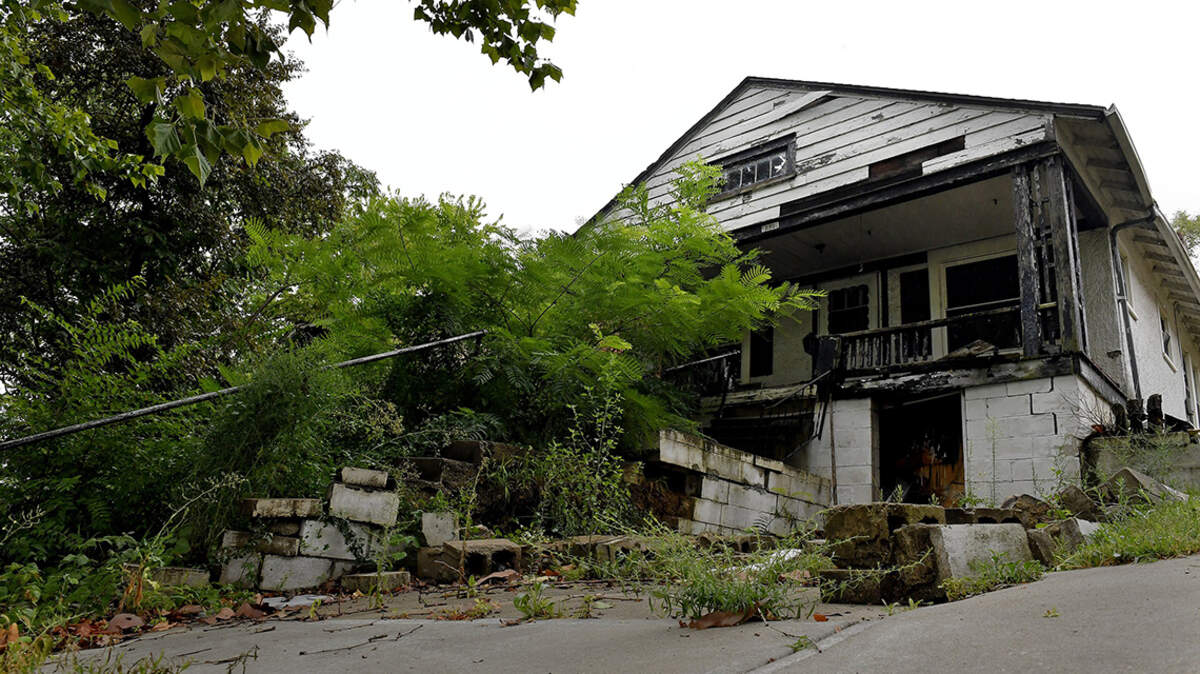
The Land Bank is tasked with acquiring properties, maintaining them and eventually selling them to individuals or developers willing to put them to good use. But as the mayor found out, and as anyone who has driven through Kansas City can tell you, the results are hard to see. Lots remain empty; abandoned houses continue to decay and neighborhoods struggle under the weight of blight that the Land Bank was supposed to address.
David Stokes and other researchers at the Show-Me Institute, where I serve as senior fellow, cataloged the failings of the land bank in St. Louis, how it was used by politically connected speculators, how it drove up prices by bidding against private buyers and how it failed at its main task of getting publicly owned land into the hands of private owners.
Kansas City leaders argued they could learn lessons from St. Louis. If they did, they learned the wrong ones. Several independent media investigations of the Kansas City land bank found an entity chock full of conflicts of interest, property hoarding and operational failures.
Part of the problem is bureaucracy itself. Selling off these properties often involves red tape that discourages potential buyers. Private investors have repeatedly criticized the Land Bank’s inefficiency, noting that the process of purchasing properties is opaque and time-consuming. A devastating story in The Kansas City Star in 2021 included East Side homeowners accusing the Land Bank of trapping them in blight.
Worse, there have been allegations of favoritism and political interference. In 2018, the Land Bank’s executive director was removed over accusations of mismanagement, but even that shake-up hasn’t seemed to improve its operations.
Transparency is another glaring issue. The Land Bank has repeatedly resisted public scrutiny, making it difficult to understand how decisions are made. That same Star article indicated that at one Land Bank meeting, “the board rejected 31 of the 33 purchase offers without explanation beyond a rote recitation that they were deemed insufficient, the commissioners felt the buyer didn’t have the resources to carry through with their plan, or both.” Requests for basic records are met with delays or outright refusals.
A public institution charged with stewarding taxpayer resources should be above reproach, but instead, the Land Bank operates in the shadows.
Blight is a significant problem for Kansas City, but the Land Bank is not the solution. If anything, it has made the problem worse by erecting barriers and eroding public trust.
While it’s nice to have the mayor back in Kansas City and tweeting about our problems, mere words won’t cut it. He needs to admit that it is the city that is the primary barrier to returning property “to a higher and better use.”
A new tax won’t solve this. A new city agency or staff member won’t solve this. Pointing the finger at others won’t solve this. This issue, like so many others in Kansas City, requires leadership and action, not campaigning.