
Climate change is already affecting Missouri. Farmers must adapt before it’s too late | Opinion
As we celebrate Thanksgiving, we need to be mindful of the struggles of our farmers — the men and women who work so hard to bring food to our table on a daily basis. These struggles will unfortunately be amplified by the long-ranging effects of climate change.
Kansas City is known for many things: the West Bottoms, the Chiefs and, of course, our barbecue. One of the unsung hallmarks of our city, though no less important, is the network of railroad tracks that crisscross the metropolis like arteries and blood vessels. And that is no accident: Since the late 19th century, Kansas City has served as the heart of bringing food to our nation, much of that food produced in Missouri itself. While the global climate crisis has not hit the Paris of the Plains as severely as coastal areas or the Southwest, farmers in Missouri can expect to feel the pinch of global climate change in the coming decades.
Agriculture is particularly prone to the effects of global climate change because of its effects on the nonliving (rainfall, temperature) and living (introduction of new pests, competition with new species) environments. Crucial to an effective response by the agricultural sector to a changing global climate is introducing adaptive responses to farming, such as using crops that conserve water or do better in warmer weather. However, those changes to tried and true farming practices require money and the infrastructure to introduce them — things that are sorely missing in many of our local farms. Yet the failure to respond to changing climate conditions adaptively can spell catastrophe for small farmers, as was so clearly evidenced in the Dust Bowl nearly a century ago.
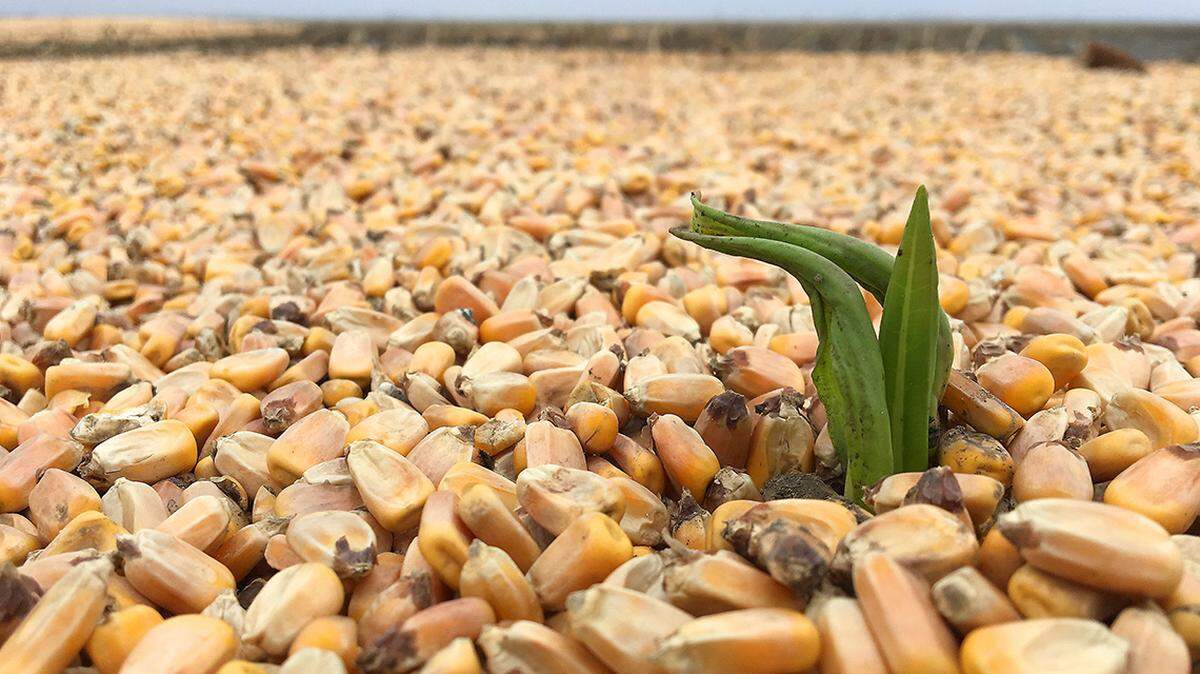
Large farms are not immune from the onslaught of changing conditions, either. Missouri’s largest crop by bushel volume is corn, which is notoriously finicky about water conditions — particularly when it’s too wet, which can severely impact yield. While a changing climate will mean our coasts will be battered by storms, and California, Nevada and Utah will bake, here in the city of fountains, we can expect more frequent and heavy rainfall, which can lead to flooding. That will severely impact large swathes of corn grown in Missouri by major companies. This will, in turn, lead to shortages in corn and corn-based products, which are used daily by the vast majority of Americans.
Beef is also a vital resource that Kansas City transports nationwide. Missouri farmers and ranchers raise more than 4.3 million head of cattle on our fertile plains. This translates to $1.6 billion in revenue and over 40,000 jobs for Missourians. With the wetter weather that will be hitting Kansas City in the coming years, we can expect increased risks of infection from bacteria and worms, which will translate to a loss of revenue for farms big and small. And besides the immediate risks of flooding on the health and well-being of cattle, the changing weather will bring with it new diseases from warmer climates — diseases that small farmers might be ill-equipped to address, and that will cost large cattle producers millions to muster an effective response.
The future holds many challenges, but it also holds promise — one that is best exemplified in our farmers. Those resilient men and women espouse principles of hard work and perseverance. With a changing climate, the time to prepare and respond effectively is now — not when its most severe effects come knocking at our door. It will involve making some serious reappraisals of our practices.
We will need to adapt and introduce new crops that can better tolerate the changing climate. We will need to modify the way we use water and respond to the blessing of having too much of. We will need to prepare for the arrival of new diseases to our crops and livestock. In doing so, we can ensure a long future of being the beating agricultural heart of America.