
Kids need protection online, but this law could put a target on LGBT Kansans’ backs | Opinion
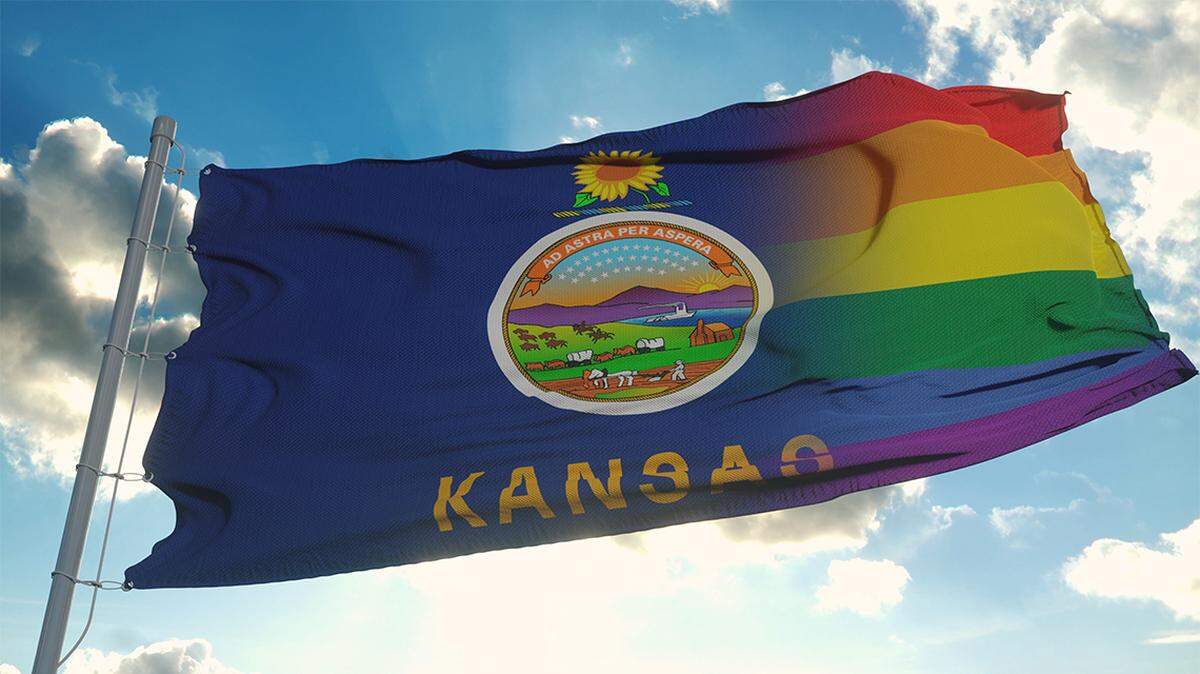
LGBTQ+ youth in Kansas face an increasingly hostile environment. In our schools, these young people are frequently subjected to anti-LGBTQ+ comments, prevented from expressing their identities and compelled to endure regular bullying and harassment. Meanwhile, lawmakers in our state have attempted to subject our community to needless restrictions that infringe on their right to express themselves. In last year’s session of the Legislature alone, we saw proposals to ban individuals under 18 from attending drag performances, to block gender-affirming care for anyone under the age of 21 and to forbid school faculty from using students’ preferred pronouns.
While legislative actions like these might claim to be in the best interest of kids, we should see them for what they really are — a method to control and suppress the LGBTQ+ community. And unfortunately, we’re seeing legislation in Congress that has good intentions but could be put to extraordinarily concerning use by partisan right-wing leaders: the Kids Online Safety Act or KOSA.
KOSA was proposed as a solution to the need to protect children online. However, in the haste to advance the bill, lawmakers have failed to fix several shortcomings that could allow the bill to be used to censor marginalized communities online. The bill would effectively hand over unprecedented authority to its enforcement authorities — government bureaucrats and state attorneys general to an extent — to control what kids can see on the internet. It does so by pushing a broad and undefined “duty of care” mandate onto social platforms to assert more control over content, particularly anything that could be perceived as “harmful to minors” to see.
At first glance, that may sound reasonable if the bill were to ever explain what such a broad and subjective criterion means. However, since it never does, it leaves a loophole for bad actors to use to force their own political and moral agendas onto platforms, threatening lawsuits if they refuse to take down content they disagree with — including content created by LGBTQ+ creators, which studies show youths rely on to help understand their own identities.
The potential for KOSA to raise barriers to this type of content should concern us all. Kids who are members of the LGBTQ+ community in Kansas are already facing a mental health crisis, and 44% of those recently surveyed in the state indicated that they had seriously considered suicide in the past year. Revoking their access and ability to post online content that helps them understand and feel empowered by their identities would be a grave mistake.
As one of the leading LGBTQ+ advocacy groups in the Sunflower State, we agree that we must discuss finding better ways to protect kids online, but KOSA’s profoundly flawed approach should not be our solution. Republican supporters of the bill have already voiced a desire to use it to censor transgender-related content online, and there can be no question that passage in its current form would be a windfall for partisans who want to control what others’ kids can see.
To combat this, I hope Kansas lawmakers note these concerns and work to fix KOSA so it can work as intended without the dangerous loopholes it currently has.