
The truth about how Nearman Creek helps BPU deliver energy to Wyandotte County | Opinion
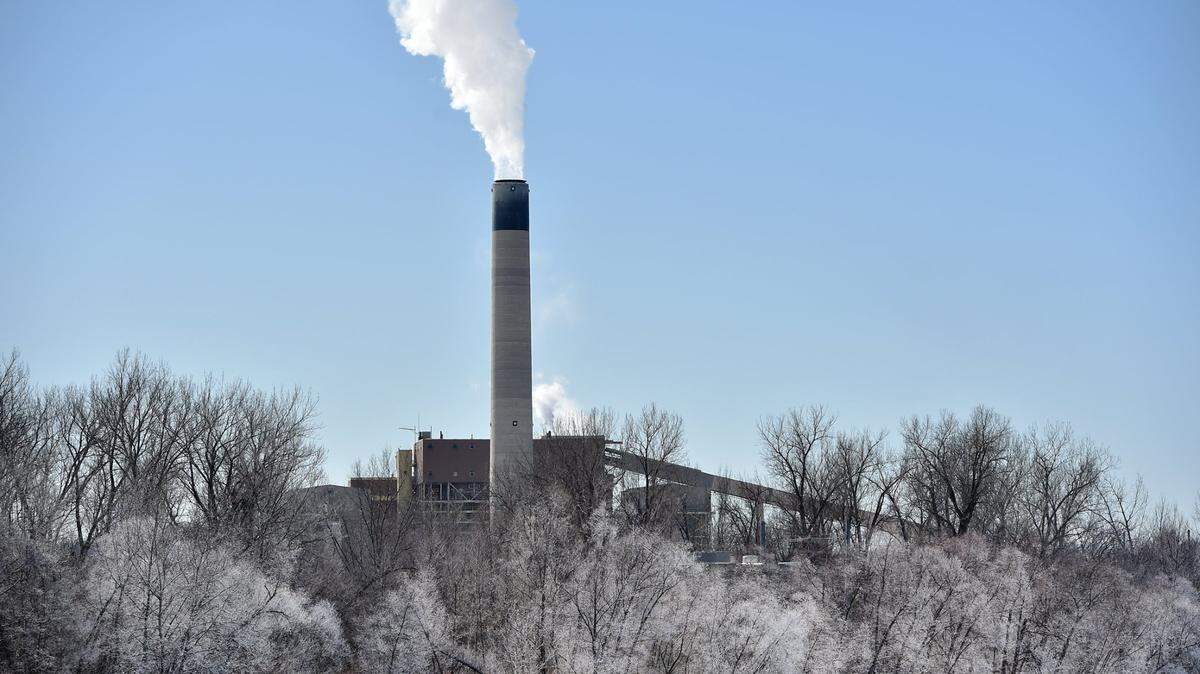
A recent Star guest commentary made several claims about the Nearman Creek Power Plant and the Kansas City Board of Public Utilities that give inaccurate and misleading impressions. As a public utility serving Wyandotte County, BPU is committed to transparency, environmental responsibility and providing reliable and affordable service to our customers. Let’s address the inaccuracies and give the full context.
The commentary asserted that the Nearman Creek plant is a primary source of dangerous particulate pollution, contributing to respiratory illnesses in Kansas City. However, this claim fails to recognize that vehicles, not power plants, are the primary contributor to greenhouse gas emissions. Following a $250 million investment in state of the art emissions control technology, the plant operates well below federal and state limits for particulate matter and other pollutants.
With a $250 million investment, the Nearman Creek plant has seen an 89% reduction in sulfur dioxide emissions and a 54% reduction in nitrogen oxide emissions.
While the American Lung Association’s grade for Wyandotte County includes data from multiple sources of pollution — such as vehicle emissions, industrial activities and regional pollutants — the Nearman Creek plant meets and exceeds all state and federal regulations.
The author cites data from the Sierra Club claiming that the Nearman Creek plant causes three deaths per year, as well as numerous asthma attacks and work loss days. This statistic is derived from generalized models rather than site-specific data. The health impact figures cited are based on assumptions from national averages, not localized studies. The Nearman Creek plant has operated in compliance with all environmental regulations and has shown consistent improvement in air quality metrics.
Attributing respiratory illnesses solely to the power plant ignores other significant local pollution sources, including heavy traffic, industrial activities, seasonal field fires and wildfires. Singling out Nearman as the primary culprit is both inaccurate and irresponsible.
The commentary raised concerns about power shutoffs for customers who rely on medical devices, implying that BPU has no policy to protect these individuals. This is a complete misrepresentation of BPU’s comprehensive customer assistance programs.
BPU has robust policies for customers with critical medical needs, including a Medical Necessity Program that prioritizes power restoration for medically dependent individuals during outages. Additionally, BPU offers flexible payment plans and emergency financial assistance to ensure access to power for those in need. The suggestion that BPU advises customers to purchase backup generators or relocate is a mischaracterization. Our customer service team works directly with families to provide tailored solutions and support during outages or financial hardships.
Mix of sources, grid stability
The call to shut down the Nearman Creek plant immediately without considering its impact on grid reliability and customer costs is a reckless oversimplification. The Nearman Creek plant is a crucial component of our energy mix, offering reliable, dispatchable power supporting the grid during peak demand periods. This is especially important as renewable energy sources such as solar and wind, while valuable, are intermittent and cannot fully replace the power provided by Nearman.
BPU’s Integrated Resource Plan already includes a gradual transition toward a balanced, sustainable energy mix. Abruptly closing Nearman would undermine our efforts to maintain grid stability and could lead to higher customer costs, especially for larger organizations dependent on consistent, reliable power.
The commentary implies that BPU has been slow to adapt and fails to prioritize the health and well-being of Kansas City residents. This could not be further from the truth. BPU has made significant strides in reducing emissions, investing in renewable energy, and implementing energy efficiency programs. Our energy portfolio is made up of 47% renewable sources. Additionally, BPU’s Green Rider Program and our Community Solar Farm allow customers to purchase renewable energy, supporting sustainability while giving them control over their energy choices and costs.
Unlike private utilities driven by shareholder profits, BPU answers to the community. We reinvest profits into local infrastructure, economic development and customer assistance programs. We live and work here, too, and our decisions reflect our commitment to making Wyandotte County a healthier, more prosperous place for everyone.
At BPU, we take our role as a community-owned utility seriously. Our customers depend on us to provide quality and reliable utilities; we honor that trust. We base our decisions on rigorous data analysis, regulatory compliance and a commitment to providing safe, reliable and affordable power. We welcome public input and continuously work to balance environmental stewardship with economic responsibility.
Rather than advocating for abrupt, costly changes based on misinformation, we urge stakeholders to engage in constructive dialogue about the future of our energy portfolio. Together, we can create a sustainable, reliable, affordable energy future for Wyandotte County.