
Internet access is a basic need. Way too many Kansas Citians still don’t have it | Opinion
In an increasingly digital world, access to reliable internet is no longer a luxury — it is a basic human right. Internet services offer access to employment opportunities, education, health care and more, making them vital for personal and community development. Yet, in Kansas City, the digital divide remains a reality as Troost Avenue continues to the dividing line. Though promising, efforts to address this gap require greater funding and advocacy.
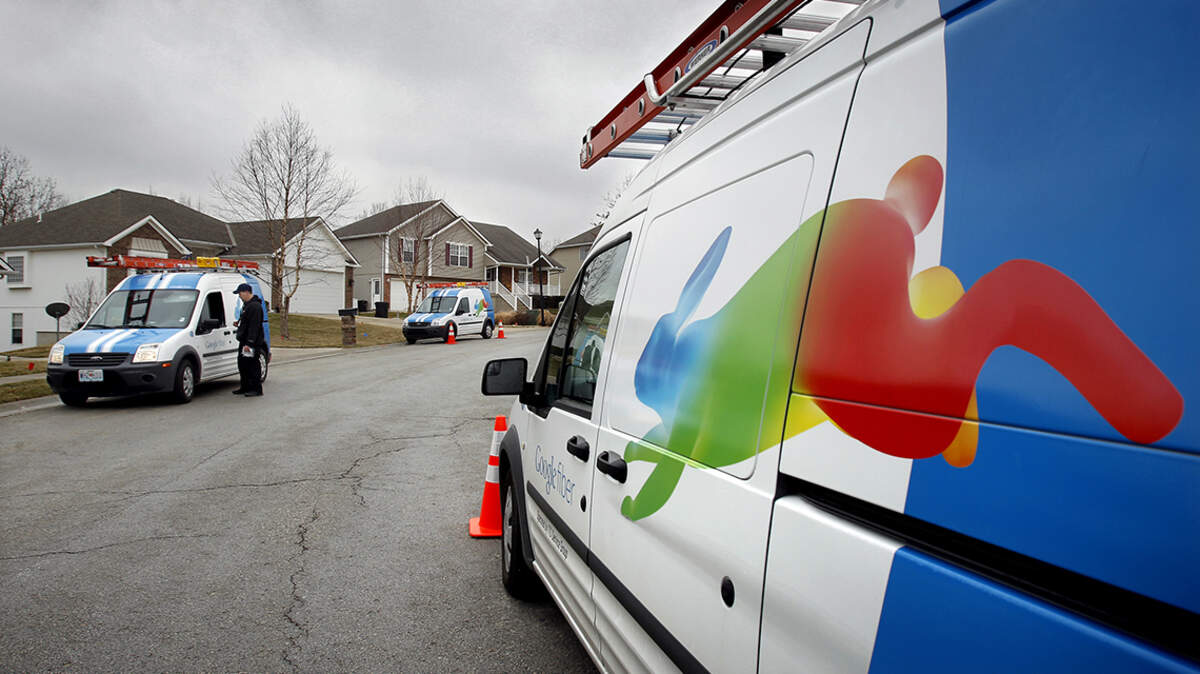
Kansas City has long been known as a city of innovation and growth, especially with the launch of Google Fiber in 2011. The introduction of high-speed fiber-optic internet promised to bridge the digital divide and bring fast, affordable access to all its residents. However, as time has shown, the rollout of this service has magnified existing disparities in some areas rather than solving them. According to my study “Bridging the Digital Divide: The Impact of Broadband Access on Regional and Community Growth in Kansas City, Missouri,” the city remains divided, particularly along Troost, a street that has historically symbolized racial and economic segregation in the city.
The research reveals that Kansas City households east of Troost are less likely to have internet service than those in western neighborhoods. Of all those who were surveyed, 15% are without an internet subscription, but that number is only 3% among respondents who live West of Troost Avenue. Meanwhile, 23% of eastern Kansas City residents do not have an internet subscription. Of those who who internet service, the cost was the most significant barrier. This discrepancy reflects more significant historical inequalities shaping Kansas City’s development, from redlining and housing discrimination to underinvestment in public services in lower-income areas.
Access to high-speed internet is necessary to participate fully in digital society. The research notes that broadband access is closely tied to economic opportunity, education and health care services. Without reliable internet, many residents in underserved areas cannot apply for jobs, participate in online learning, access telehealth services, get the news, and much more.
While initiatives such as Google Fiber brought some attention to the digital divide, infrastructure is not the fix-all solution. The problem runs much deeper than access, and factors such as hardware, skills and subscriptions influence internet adoption. Regardless of innovative technologies from tech giants such as Google, true digital inclusion requires addressing the root causes of inequality, where economic gain is not at play.
Greater funding for programs that aim to increase broadband access, such as the Federal Communications Commission’s Affordable Connectivity Program, has been inconsistent. As of early 2024, the ACP — which provided subsidies to help low-income households pay for internet services — stopped accepting new applications, leaving many families without the support they need to afford reliable internet. Community organizations such as LiteracyKC, KC Digital Drive, and PCsForPeople have been working to raise awareness of the digital divide and providing advocacy, digital literacy programs and hardware.
The digital divide in Kansas City is not just a technological issue but a social justice issue. To truly bridge this gap, local leaders, policymakers and private companies must work together to ensure that all Kansas City residents have access to the internet, regardless of income, race or neighborhood. Please take a moment to contact your congressional representatives and encourage them to vote for the ACP Extension Act so that Kansas City can move forward without leaving members of the community behind.