
Lessons from Joplin’s recovery: A cautionary tale for weather-ravaged cities | Opinion
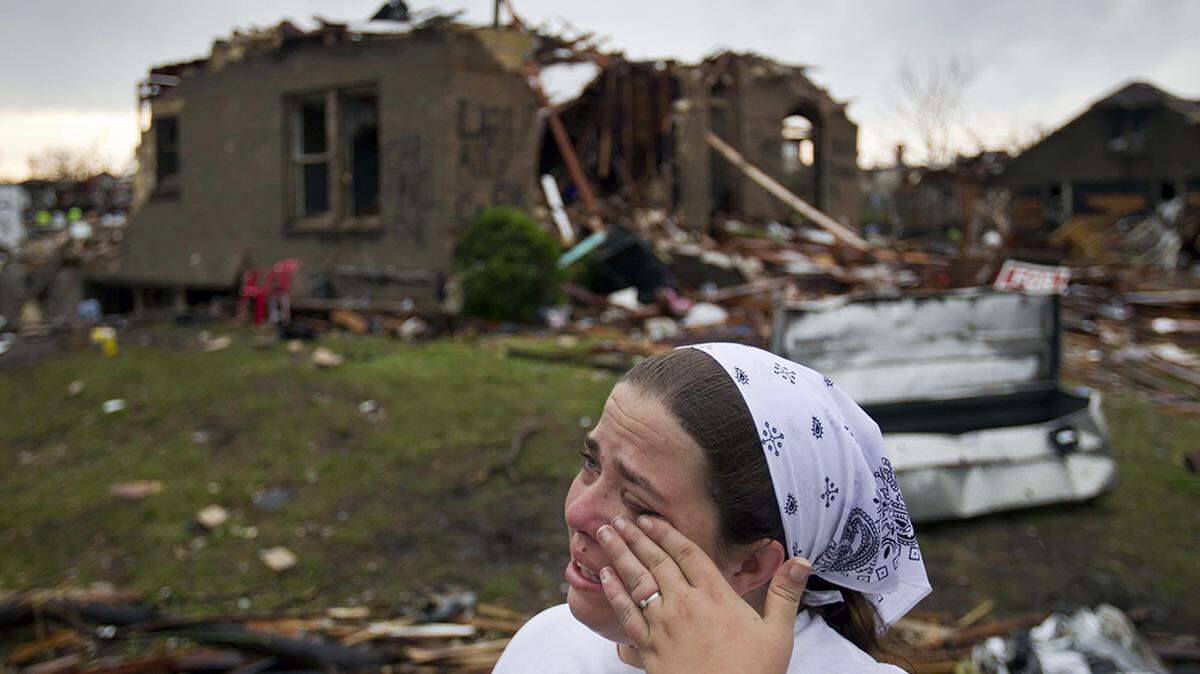
Soon, hurricane-devastated communities in Florida, Georgia, North Carolina and elsewhere will begin rebuilding. Lots of decisions lay ahead, and each option will have its own advocates making their own promises.
Be wary. Some looters wear suits. Consider Joplin, Missouri. The city of 51,000 people was struck in 2011 by the deadliest U.S. tornado since 1950. Unlike the hurricanes I grew up with on the East Coast, Midwestern tornadoes offer little time to prepare. The warning for this tornado, having winds in excess of 200 miles per hour, came only 19 minutes before it touched down.
When it was over, 161 people were dead and another 1,100 injured. Within the city limits alone, 4,000 dwellings were destroyed and another 3,500 were damaged; 9,200 people were displaced. Total damage was estimated to be between $2 and $2.8 billion.
Eager to rebuild, city leaders considered all their options, among them tax increment financing, also known as TIFs. Designed as a tool to stimulate investment in blighted or underserved areas, TIFs theoretically help fund projects that wouldn’t happen otherwise. They encourage development by diverting increases in assessed taxes resulting from new construction back into the project for up to 23 years.
City leaders established Missouri’s largest-ever TIF district, encompassing 3,100 acres and promising an $806 million redevelopment. David Wallace of Wallace Bajjali Development Partners was touted as the master developer, securing TIF approval quickly while assessed tax value was at its lowest due to the destruction. Abating the taxes at their lowest level means the TIF district can capture the greatest amount of additional tax revenue. The city set up a redevelopment corporation and issued bonds to be repaid by those additional taxes — the increment — generated in the TIF district.
Wallace Bajjali’s promises unraveled. Despite acting quickly to establish the TIF, securing bond financing and locking in depressed property values, the developer delivered almost none of what was promised. By 2015, Wallace Bajjali abandoned the project, leaving Joplin taxpayers on the hook. The city continued to pay down millions in bond debt with little to show for it. Despite assurances that public infrastructure, job creation and commercial redevelopment would follow, little materialized from the TIF funds.
And yet? Joplin quickly rebounded.
Despite claims that redevelopment wouldn’t happen without taxpayer assistance, private capital flowed. Insurance claims, local investments and grassroots efforts led to a remarkable recovery — entirely independent of Wallace Bajjali or the city’s TIF scheme. Within four years, Joplin recaptured and surpassed the property value destroyed by the tornado. The city population also rebounded, and was larger by 2015 than it was in 2010. The do-nothing TIF, originally slated to pay down bonds for up to 23 years, was closed down after only eight years — in part because little of the money raised was spent.
City leaders, in their eagerness to rebuild, trusted developers too much. And even after evidence emerged that the developer failed to meet contractual obligations, no real efforts were made to hold the firm accountable. Missouri’s state auditor uncovered numerous flaws in the TIF process, from how Wallace Bajjali was chosen to questionable property acquisitions.
The developer’s collapse did not derail Joplin’s recovery, but it highlighted the flaws of taxpayer-funded subsidies to kick-start development.
A more detailed report on Joplin’s recovery is available online here.
The lesson to policymakers on the eastern seaboard today — and to anyone interested in economic development — is that there is no shortage of desire and plenty of resources available in the private sector to rebuild. Those inside and outside of government who make their living from taxpayer-funded subsidies will always see an opportunity for such a “public-private partnership.”
Public officials should focus on removing barriers and smoothing the path for redevelopers. That can go a long way to helping rebuild. The last thing cities — and people — in distress need are Rube Goldberg tax schemes that enrich connected developers at the expense of taxpayers.
Patrick Tuohey is co-founder of Better Cities Project, a 501(c)(3) nonprofit focused on municipal policy solutions, and a senior fellow at the Show-Me Institute, a 501(c)(3) nonprofit dedicated to Missouri state policy work.