
TV show set in Kansas is fiction, but the way it helped me deal with grief is real | Opinion
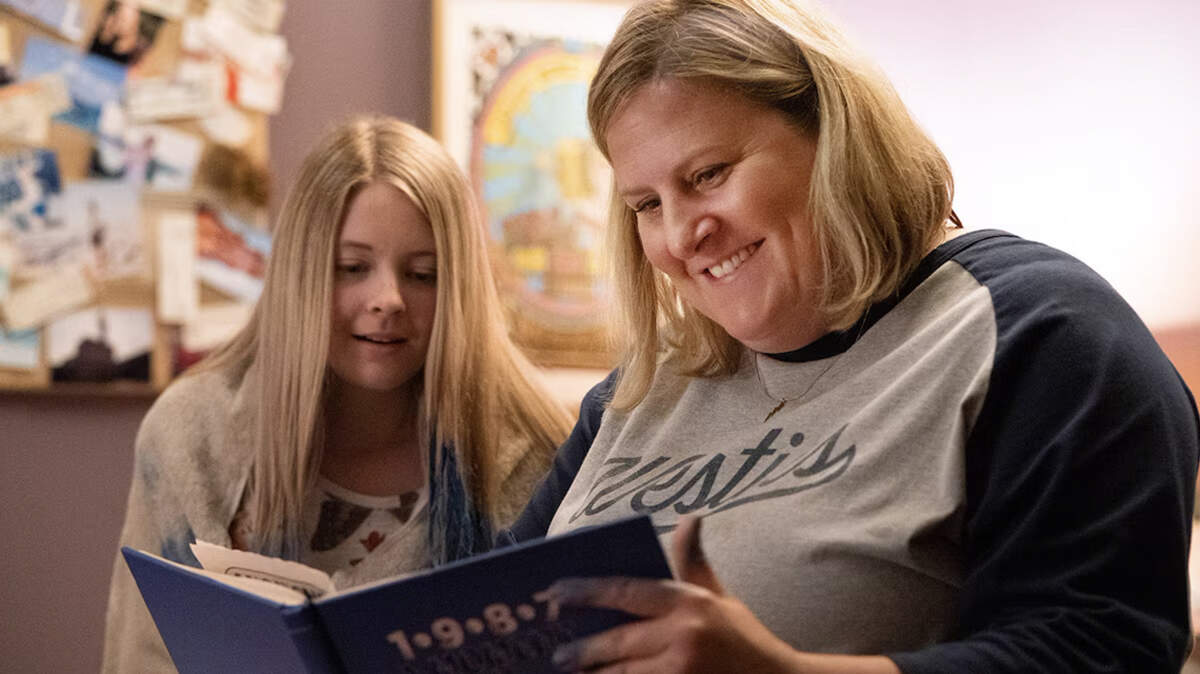
When the first season of “Somebody Somewhere” came out in 2022, I was no stranger to grief, having lost my father to cancer nearly 20 years ago. But that grief wasn’t fresh when I first watched the show, which features a main character coping with the loss of her sister.
Before the second season of the show came out in 2023, my own sister died. It was sudden, unexpected and complicated. I still wanted to watch the next season of “Somebody Somewhere,” a show I enjoyed immensely, even though watching hit differently after I lost my own sister and the grief was so new to me.
If you’ve lost a sibling as an adult, even if you didn’t see your brother or sister often, the family dynamics have forever changed when one sibling is permanently gone (especially if you only had one, as I did). Maybe you counted on a sibling to help care for a parent and that option is no longer available. Maybe you relied on a sibling to discuss the logistics or quirks of your family. Even infrequent family gatherings, such as the get-togethers that occur during the holidays, are steeped in ritual and familiarity — and when one piece is missing, everything else shifts. No one but a sibling can truly understand the life you experienced as a child (or even your adult relationship with a parent or other family member).
It’s painful — but understandable — when we lose older relatives like grandparents or even parents of a certain age. But you expect your siblings to have nearly the same life expectancy as you. Losing a sibling is jarring, especially if you were only a few years apart in age (as my sister and I were) or if your sibling died at a young age or in middle age. (My sister was 45 years old when she died.) If you were close with your brother or sister, you’re also mourning the loss of a friendship. And if you weren’t close, or your relationship was complicated, you might be mourning the loss of the possibility of a better connection. Or maybe your relationship with your sibling vacillated between different degrees of closeness, as adult relationships with siblings often do. In “Somebody Somewhere,” Sam mourns her sister but is still mad at her for some of the choices she made. This, too, resonated with me.
The character Sam of “Somebody Somewhere” may be fictional, but she’s a quasi-autobiographical character based on Manhattan native Bridget Everett, the star and an executive producer of the show, who lost her real-life sister to cancer after losing her dad a year before. Clearly, she understands not just loss but double loss, which I’ve also experienced. It’s particularly difficult because you’re experiencing fresh grief that also reminds you of your previous grief.
I’m looking forward to watching the new season of the show and its portrayal of life after grief, with both moments of sadness and moments of joy. If you’ve experienced loss, particularly the loss of a sibling, it might be difficult to see this scenario portrayed on television — but it also might make you feel less alone. With “Somebody Somewhere,” I know that somebody (somewhere) gets what I’ve been through. And that’s comforting.